 0
0
 0
0
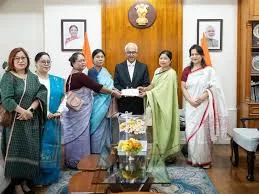
The ongoing ethnic violence in Manipur, which began in May 2023, has displaced tens of thousands of residents, forcing them to seek shelter in over 300 relief camps across the state. Among the most vulnerable in these camps are infants and young children, whose nutritional needs have become a critical concern due to limited food variety and quality. In response, the Manipur State Rural Livelihoods Mission (MSRLM), under the guidance of doctors and nutritionists from the National Health Mission (NHM), Manipur, has launched an innovative complementary food program called “Mama’s Gift” or “Mama’s Nutrimix” to support the dietary requirements of infants aged nine months and above within these camps.
Key Developments and Nutritional Components
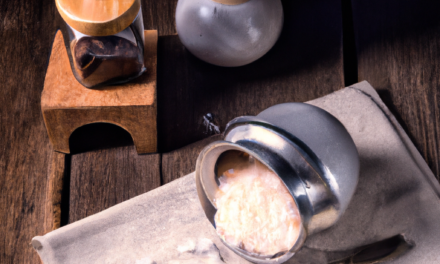
Mama’s Nutrimix is a ready-to-eat complementary food with a high caloric value specially designed to supplement infant diets in the relief camps. It is prepared locally by the Lamyanbi Village Level Federation in Khurai and consists of easily available ingredients such as atta (whole wheat flour), roasted soybean, roasted chana (chickpeas), milk powder, and sugar. The Nutrimix is intended to be mixed directly with lukewarm water to form a safe, nutrient-rich meal suitable for infants. This formulation aligns with best practices in infant complementary feeding, which emphasize nutrient density especially in protein, energy, and micronutrients to support growth and immunity for displaced children at risk of malnutrition.
According to MSRLM officials, infants between ages 9 to 12 months require around 60 grams of Nutrimix daily, while those aged 1 to 2 years need between 70 to 90 grams. It is estimated that producing 4,100 kilograms of Nutrimix monthly is necessary to meet the needs of infants in relief camps statewide, requiring an approximate budget of Rs. 12 lakhs. The initiative has already benefited over 1,000 children in districts including Imphal East and West, Bishnupur, Thoubal, Jiribam, Kakching, Tengnoupal, and Kangpokpi.
Expert Perspectives
Dr. Nandita Sharma, a pediatric nutritionist not involved in the development of Mama’s Gift but familiar with displacement-associated child malnutrition, comments: “The nutrient-dense and culturally appropriate nature of Mama’s Nutrimix is a pragmatic response to an acute public health crisis. Complementary feeding interventions with fortified local ingredients have proven efficacy in reducing undernutrition and associated morbidity among displaced children when combined with hygiene and health services.”
However, experts also caution that while complementary foods are essential, addressing the broader determinants of child health is critical. Dr. Rajesh Singh, a public health specialist, notes “Provision of nutrient-rich food alone cannot fully mitigate the risks in relief camp settings. Safe water, sanitation, medical care, and psychosocial support must be integrated for sustained child survival and development.”
Context and Public Health Implications
The nutritional status of displaced infants and children in relief camps is precarious. Studies of similar humanitarian settings report high rates of undernutrition, frequent infections, and micronutrient deficiencies due to monotonous, carbohydrate-heavy diets and unsanitary living conditions. In Manipur, shortages of protein-rich foods, fresh vegetables, and infant formula have compounded these risks. Moreover, maternal lactation challenges and psychological stresses further compromise infant feeding practices.
The launch of Mama’s Gift aligns with governmental and humanitarian priorities to reduce infant malnutrition and mortality under crisis conditions. By harnessing local resources and community participation, it strengthens food security resilience tailored to ethnic and regional contexts. The collaboration between MSRLM, NHM experts, and village federations epitomizes a community-centered approach essential for effective relief interventions.
Limitations and Considerations
While Mama’s Nutrimix presents a vital step forward, several limitations warrant acknowledgment. Distribution logistics in conflict zones remain challenging, impacting consistent availability. The nutritional formulation may not fully address micronutrient deficiencies such as iron or vitamin A without fortified additions. Monitoring and evaluation mechanisms to assess growth outcomes and acceptability in infants must be ongoing to optimize impact. Finally, food interventions should be part of comprehensive care packages including health, sanitation, and maternal support to improve long-term child health outcomes.
Practical Implications for Readers
For caregivers and stakeholders, Mama’s Gift provides an example of evidence-based nutritional care adapted to crisis settings. It highlights the importance of using fortified complementary foods alongside breastfeeding from six months onward, especially when displacement or emergencies disrupt normal infant feeding. The initiative also underscores the role communities and local governments play in securing essential child nutrition during humanitarian crises.
Medical Disclaimer: This article is for informational purposes only and should not be considered medical advice. Always consult with qualified healthcare professionals before making any health-related decisions or changes to your treatment plan. The information presented here is based on current research and expert opinions, which may evolve as new evidence emerges.
References
- https://www.socialnews.xyz/2025/11/01/mamas-gift-nutritious-diet-for-infants-in-manipur-relief-camps/
- https://economictimes.com/news/india/manipur-complementary-food-launched-for-infants-lodged-at-relief-camps/articleshow/104219295.cms