 0
0
 0
0
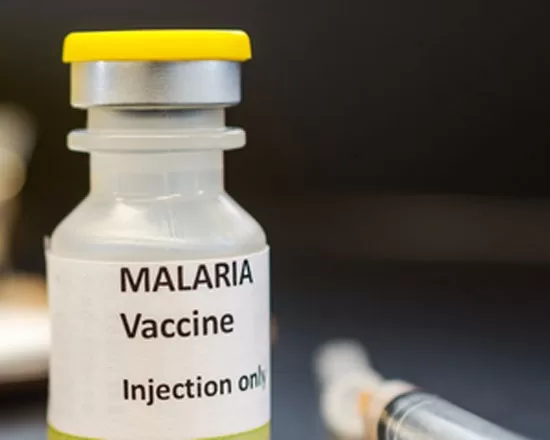
New Delhi, Jul 18 – New research conducted in Madagascar highlights that recently introduced malaria vaccines—offering protection for up to ten months—could provide a vital line of defense when extreme weather events disrupt established disease control measures.
Malaria remains a major public health challenge, especially in tropical regions, as rising temperatures and shifting rainfall patterns driven by climate change create increasingly favorable conditions for mosquitoes to breed and spread disease. Disruptions to malaria prevention and treatment efforts, often caused by significant weather events like tropical cyclones, can amplify the risk of infection, particularly in areas where ongoing disease control is crucial.
Study Tracks Malaria Surges After Extreme Weather
Researchers from the US and Madagascar analyzed 20,718 instances of malaria infection across 500 households, monitoring conditions before and after two major cyclones—Batsirai (2022) and Freddy (2023). Their findings, published in the journal Science, reveal that malaria infection rates among school-aged children surged to 10% within three months following these cyclones, correlating with interruptions in mosquito control activities and malaria prevention programs.
Short breaks—less than a month—in control measures such as preventive medications resulted in sharp increases in infections: up to half of school children and over a third of younger children were affected in high-transmission zones.
Vaccines Prove Powerful, but Not Enough Alone
To assess possible mitigation strategies, the researchers modeled the potential impact of scaling up the WHO-recommended malaria vaccines, ‘RTS,S’ and ‘R21’. These models predicted that if 70% of the population completed a full course of vaccination (with R21’s effectiveness ranging from 61% to 74% as seen in phase 3 trials), symptomatic infection rates could be reduced by 42% to 52% in the aftermath of climate-induced disruptions.
The study’s authors noted that reaching 70% vaccination coverage is achievable given current childhood immunization rates in the country. However, they cautioned that vaccines by themselves are not a silver bullet. Instead, they recommended “layered strategies”—combining vaccines with drug-based prevention and established tools like insecticide-treated bed nets—to best control malaria, especially where transmission remains high.
“When 70 per cent of the targeted population has completed the full course for a vaccine with effectiveness of 61 to 74 per cent … a 42.7 to 51.8 per cent reduction in the expected proportion of symptomatic infections is expected,” the study notes.
Disclaimer
This article summarizes findings from a peer-reviewed study and is intended for general informational purposes only. The summary does not constitute medical or public health advice. For health concerns or questions about disease prevention, always consult certified health professionals or public health authorities.