 0
0
 0
0
December 5, 2025
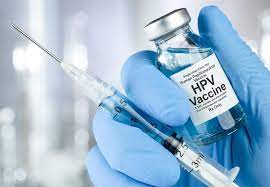
WASHINGTON — A landmark study published this week in the New England Journal of Medicine offers compelling evidence that a single dose of the Human Papillomavirus (HPV) vaccine may be as effective as the standard two-dose regimen in preventing cervical cancer. The findings from a large-scale clinical trial in Costa Rica could revolutionize global cancer prevention strategies, particularly in low-resource settings where logistics and cost often hamper vaccination efforts.
The Study: Rigorous Evidence
The research, led by the U.S. National Cancer Institute (NCI) in collaboration with Costa Rica’s Agency for Biomedical Research, followed more than 20,000 girls aged 12 to 16. This randomized controlled trial—often considered the “gold standard” of medical research—assigned participants to receive either one or two doses of the HPV vaccine.
Investigators tracked the participants for five years to monitor infection rates of the high-risk HPV strains responsible for the majority of cervical cancers. The results were striking: a single shot provided approximately 97% protection against persistent viral infection, a level of efficacy statistically comparable to the two-dose schedule.
“This study found very high efficacy in all the groups, so one dose is as good as having two doses,” said Dr. Kevin Ault, an obstetrician-gynecologist at Western Michigan University Homer Stryker M.D. School of Medicine, who was not involved in the study.
Implications for Global Health
Cervical cancer remains a devastating public health crisis, claiming the lives of approximately 340,000 women annually worldwide. The burden is disproportionately borne by low- and middle-income countries (LMICs), where access to multi-dose vaccination schedules is often limited by cost and healthcare infrastructure.
The World Health Organization (WHO) has set a goal to eliminate cervical cancer as a public health problem, targeting a 90% vaccination rate for girls by age 15. A single-dose regimen significantly simplifies this challenge.
Dr. Rebecca Perkins, an investigator at Tufts Medical Center, emphasized the study’s potential impact: “The ability to protect entire populations with a single dose will vastly increase our ability to prevent cancer worldwide. This is a tremendous opportunity for global public health.”
Expert Perspectives
In an editorial accompanying the study, Dr. Ruanne Barnabas, an infectious disease specialist at Massachusetts General Hospital, highlighted that the scientific debate is largely settled, shifting the focus now to implementation.
“We have the evidence and tools to eliminate cervical cancer. What remains is the collective will to implement them equitably, effectively, and now,” Dr. Barnabas wrote.
While the United States currently recommends two doses for most adolescents starting at age 11 or 12, the CDC reports that only about 78% of 13-to-17-year-olds have received at least one dose. Moving to a one-dose standard could potentially boost coverage rates by removing the logistical hurdle of returning for a second appointment.
Limitations and Future Research
While the findings are promising, researchers noted specific limitations. The study focused primarily on cervical outcomes and did not provide data on the vaccine’s efficacy against other HPV-related conditions, such as head and neck cancers, which also affect men.
Additionally, while the five-year follow-up provides strong evidence of durability, longer-term monitoring will continue to ensure that immunity does not wane significantly over decades. However, previous smaller studies have suggested that protection from a single dose can last for at least a decade.
What This Means for You
For parents and patients, this research offers reassurance about the potency of the HPV vaccine. However, current national guidelines in the U.S. and many other nations still recommend a two-dose series for optimal protection.
-
Consult Your Doctor: Do not change your vaccination schedule without consulting a healthcare provider.
-
Catch-Up is Key: Vaccination is recommended for everyone through age 26 who hasn’t been vaccinated.
-
Screening Continues: Vaccination does not replace the need for routine cervical cancer screening (Pap smears or HPV testing) as per current guidelines.
As health authorities review this new data, official recommendations may evolve. For now, the message from the medical community is clear: the HPV vaccine is a powerful life-saving tool, and this new evidence suggests it may be even more potent—and easier to deliver—than previously realized.
Medical Disclaimer: This article is for informational purposes only and should not be considered medical advice. Always consult with qualified healthcare professionals before making any health-related decisions or changes to your treatment plan. The information presented here is based on current research and expert opinions, which may evolve as new evidence emerges.
References
-
Primary Study: “Single-Dose HPV Vaccination Efficacy in Adolescent Girls,” New England Journal of Medicine, December 4, 2025. (Authors: U.S. National Cancer Institute & Costa Rica Agency for Biomedical Research).