 0
0
 0
0
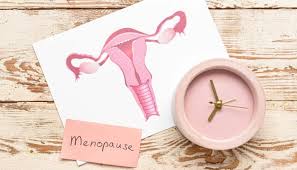
MUMBAI – In a landmark move for women’s health in India, the Maharashtra state government has officially launched the nation’s first network of dedicated menopause clinics. Established across government hospitals and urban health centers, these specialized facilities aim to provide comprehensive, “one-stop” medical and psychological support for women navigating the often-overlooked transition of menopause. Launched on January 14 to coincide with the Makar Sankranti festival, the initiative seeks to bridge a significant gap in the public healthcare system, addressing the complex hormonal, skeletal, and cardiovascular changes that affect millions of women.
A Holistic Approach to a Natural Transition
For decades, menopause has remained a whispered topic in many Indian households, frequently dismissed as a domestic “fact of life” rather than a clinical priority. However, the physiological shift—marked by the end of menstrual cycles—triggers a cascade of health risks.
The new clinics are designed to dismantle these barriers by offering a multidisciplinary suite of services in a single location:
-
Specialized Medical Consultations: Direct access to gynecologists trained in hormone replacement therapy (HRT) and symptom management.
-
Mental Health Counseling: Addressing the psychological toll of menopause, including anxiety, depression, and mood swings.
-
Comprehensive Screenings: Diagnostic testing for bone density (osteoporosis), cardiovascular health, and hormonal imbalances.
-
Nutritional and Lifestyle Guidance: Education on diet and exercise tailored to aging physiology.
“Menopause is not a disease but a natural phase,” stated Meghna Bordikar, Minister of State for Health, during the program’s inauguration. “However, women need strong physical and emotional support during this period. These clinics ensure they receive proper advice, treatment, and dignity.”
The Silent Health Crisis: Why Dedicated Care Matters
The average age of menopause for Indian women is approximately 46 to 48 years—significantly earlier than the global average of 51. This early onset can lead to a longer period of life spent in a post-menopausal state, increasing the cumulative risk for chronic conditions.
Bone and Heart Health
Estrogen plays a protective role in bone resorption and vascular health. When estrogen levels plummet during menopause, bone loss accelerates, leading to a spike in osteoporosis-related fractures. According to the International Menopause Society (IMS), cardiovascular disease remains the leading cause of death in post-menopausal women, as the loss of estrogen can lead to increased arterial stiffness and shifts in cholesterol levels.
The Mental Health Burden
Beyond the physical, the “vasomotor” symptoms—hot flashes and night sweats—can lead to chronic sleep deprivation. “Sleep disturbances are not just an inconvenience; they are a precursor to clinical depression and cognitive decline,” says Dr. Aruna Kalra, a senior gynecologist and obstetrician (not involved in the Maharashtra project). “Providing counseling alongside medical treatment is revolutionary for the public sector.”
Expert Perspectives: A Model for the Nation
Medical professionals have largely welcomed the move, noting that public health infrastructure in India has historically focused on maternal and child health, leaving “mid-life” women in a clinical vacuum.
“The creation of these clinics acknowledges that a woman’s health needs do not end with her reproductive years,” says Dr. Shweta Gupta, a reproductive health specialist. “By integrating bone density screenings and cardiac monitoring into routine menopause care, Maharashtra is moving toward preventive geriatrics for women.”
However, experts also emphasize the need for sustained funding and specialized training. While the clinics provide a physical space, the success of the initiative will depend on the sensitivity and updated knowledge of the healthcare providers staffing them.
Navigating the Challenges: Limitations and Counterarguments
While the initiative is a significant step forward, some healthcare advocates express concerns regarding the scalability and cultural stigma.
-
Rural Accessibility: While urban health facilities are included, the efficacy of these clinics in remote rural areas—where medical infrastructure is already strained—remains to be seen.
-
The “Medicalization” Debate: Some critics argue that focusing too heavily on clinical intervention might over-medicalize a natural process. Advocates counter this by pointing out that without clinical screening, many Indian women only discover they have osteoporosis or hypertension after a catastrophic event, such as a hip fracture or a stroke.
-
Hormone Replacement Therapy (HRT) Risks: The use of HRT remains a nuanced discussion. While effective for symptoms, it requires rigorous screening for breast cancer and blood clot risks. The Maharashtra clinics must ensure that their protocols for prescribing such medications are strictly evidence-based and individualized.
Practical Implications for Women
For the average woman in Maharashtra, these clinics represent a shift from “enduring” symptoms to “managing” health. Public health officials suggest that women entering their 40s should begin considering a visit to these clinics if they experience:
-
Irregular menstrual cycles.
-
Persistent hot flashes or night sweats.
-
Unexplained joint pain or fatigue.
-
Increased anxiety or sudden shifts in mood.
The initiative aims to provide these services free of charge or at highly subsidized rates, making high-quality geriatric gynecological care accessible to lower-income populations who were previously excluded from such specialized treatments.
A Blueprint for the Future
Maharashtra is the first Indian state to implement such a focused program, but officials hope it won’t be the last. As India’s life expectancy continues to rise, the population of post-menopausal women is projected to reach unprecedented numbers.
“This is about more than just medicine; it’s about changing the narrative around aging,” says Minister Bordikar. By prioritizing menopause, the state is setting a precedent that could—and should—serve as a blueprint for a national policy on mid-life women’s health.
References
1.https://www.ndtv.com/health/maharashtra-launches-countrys-first-menopause-clinics-to-support-womens-health-10897074
Medical Disclaimer: This article is for informational purposes only and should not be considered medical advice. Always consult with qualified healthcare professionals before making any health-related decisions or changes to your treatment plan. The information presented here is based on current research and expert opinions, which may evolve as new evidence emerges.