 0
0
 0
0
Mumbai, November 16, 2025 — In a concerted effort to eliminate leprosy and stop its transmission within the state, the Maharashtra government is set to launch a comprehensive statewide leprosy case detection campaign from November 17 through December 2, 2025. This large-scale public health initiative aims to screen over 8.66 crore individuals and 1.73 crore households across the state through door-to-door visits conducted by more than 65,000 health teams.
Key Objectives and Activities
The anti-leprosy drive follows the guidelines of the Central Government and forms part of the National Leprosy Eradication Programme’s intensified efforts to identify undiagnosed cases early. The initiative targets early detection of new leprosy patients, immediately starting them on WHO-recommended multi-drug therapy (MDT) to halt disease progression and prevent disabilities.
The campaign also focuses on raising public awareness to reduce the stigma associated with the disease and promoting cooperation from citizens. Training workshops for health workers at state, district, and local levels are being conducted to ensure effective implementation and quality screening.
Leprosy in Maharashtra and India: Context and Progress
India has made significant strides against leprosy, reducing its national prevalence rate from a staggering 57.2 cases per 10,000 population in 1981 to 0.57 per 10,000 in 2025—a 99% reduction. Maharashtra aligns itself with this national goal and aims to achieve a “leprosy-free” status by 2027, defined as zero indigenous child cases for at least five consecutive years followed by no new cases for three years.
The state’s declaration of leprosy as a notifiable disease earlier this month mandates all healthcare providers, both in public and private sectors, to report diagnosed cases within two weeks. This regulatory measure enhances disease surveillance, timely treatment, follow-ups, and administration of preventive measures such as post-exposure prophylaxis (PEP) to contacts of affected individuals, aiming to interrupt the chain of infection.
Expert Perspectives
Dr. Aarti Joshi, a leprosy specialist not involved with the campaign, emphasizes the critical role of early detection and sustained treatment. “Leprosy is completely curable with the multidrug therapy recommended by WHO, and early diagnosis prevents disabilities and social stigma,” she states. “Community participation in such screening drives is essential to uncover hidden cases and protect public health.”
Dr. Sanjay Kulkarni, a public health expert, notes that despite the decline in prevalence, pockets of underreported or undiagnosed cases remain a challenge. “Door-to-door surveys help reach marginalized populations who might avoid seeking care due to fear or lack of awareness,” he explains. “This campaign exemplifies a robust model for active case finding.”
Implications for Public Health and Daily Life
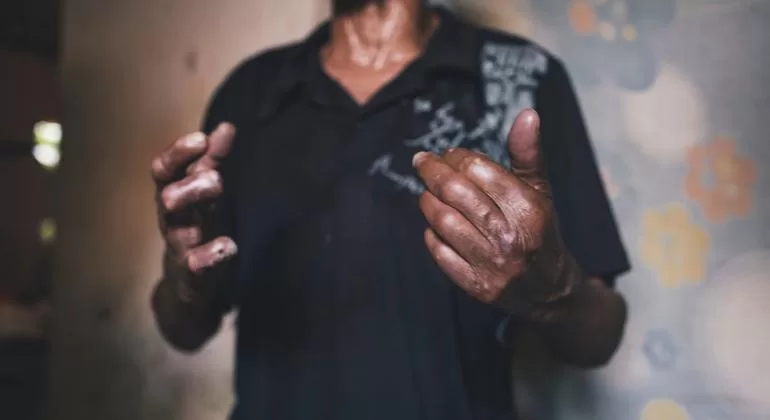
For the general public, this campaign offers an opportunity for early health intervention in potentially affected families. Leprosy, caused by Mycobacterium leprae, primarily affects skin and peripheral nerves, leading to numbness and deformities if untreated. However, the disease has a long incubation period and slow progression, which sometimes leads to cases going unnoticed until advanced stages.
Home visits by trained health workers will provide confidential examination and guidance. Those diagnosed can promptly begin free treatment at government health centers, interrupting transmission chains and reducing disease burden. Public cooperation with these health teams is crucial for the campaign’s success and the state’s goal to eliminate leprosy as a public health problem by 2027.
Limitations and Balanced Viewpoint
While the campaign is a significant step forward, experts caution about challenges such as potential underreporting and social stigma, which can hinder people from revealing symptoms or accepting diagnosis. There is also the need to sustain long-term follow-up care to prevent relapse and manage disabilities.
Moreover, while the overall prevalence has greatly reduced, certain districts and marginalized communities still report higher rates, indicating that focused efforts will be necessary beyond this campaign to maintain progress.
Conclusion
Maharashtra’s massive statewide anti-leprosy drive reflects a proactive public health strategy rooted in early detection, treatment, and community engagement. It contributes to India’s broader roadmap toward zero indigenous leprosy cases by 2030. Success will depend on widespread awareness, destigmatization, and sustained government and community partnership to finally consign leprosy to history.
Medical Disclaimer:
This article is for informational purposes only and should not be considered medical advice. Always consult with qualified healthcare professionals before making any health-related decisions or changes to your treatment plan. The information presented here is based on current research and expert opinions, which may evolve as new evidence emerges.