 0
0
 0
0
MUMBAI — In one of the most significant enforcement actions against female foeticide in recent years, the Maharashtra Health Department has ordered the immediate cancellation of medical licences for 34 doctors suspected of violating the Pre-Conception and Pre-Natal Diagnostic Techniques (PCPNDT) Act. The directive, issued by Health Minister Prakash Abitkar during a high-level review meeting in Mumbai last week, mandates that state medical councils finalize these disciplinary proceedings within seven days, signaling a “zero-tolerance” approach to illegal sex determination.
The move comes as the state government faces mounting pressure from the Maharashtra Legislative Assembly to address long-pending cases of medical malpractice. Of the 34 practitioners targeted, 14 fall under the jurisdiction of the Maharashtra Medical Council, 10 under the Maharashtra Council of Indian Medicine, and 10 under the Maharashtra Council of Homoeopathy.
The Legal Framework: Understanding the PCPNDT Act
The PCPNDT Act, enacted by the Indian Parliament in 1994, serves as the primary legal shield against the practice of female foeticide. The law was designed to combat a deeply rooted cultural preference for male children—a bias that has historically skewed India’s demographic balance.
The Act strictly prohibits:
-
Sex selection before or after conception.
-
Misuse of prenatal diagnostic techniques (such as ultrasound) for determining the sex of a fetus.
-
Advertisements related to sex determination services.
Under Section 23(2) of the Act, any medical professional convicted of an offense must be reported to the state medical council for disciplinary action, which includes the suspension or permanent cancellation of their licence to practice. Since the Act’s inception, Maharashtra has initiated proceedings against 193 practitioners; however, the 34 cases highlighted this week had remained in a state of administrative limbo until the Minister’s recent intervention.
A Decisive Strike Against Organized Rackets
Minister Abitkar’s directive aims to close the gap between investigation and punishment. “The government has taken serious note of violations related to the PCPNDT Act,” Abitkar stated during the assembly session. “We have directed authorities to ensure that offenders are barred from medical practice immediately to prevent further harm to society.”
Dr. Sandeep Sangale, Joint Director at the Maharashtra Family Welfare Bureau, clarified that for cases where chargesheets have already been filed in court, the health department is mandating a one-week window for licence suspension. This administrative push is backed by rigorous fieldwork: recent data reveals that 90 sting operations conducted across the state led to 627 registered cases and 129 total licence cancellations to date.
Looking forward, the state is considering even harsher measures. In February 2026, Minister Abitkar suggested that organized “sex-selection rackets” could soon be booked under the Maharashtra Control of Organised Crime Act (MCOCA), a law typically reserved for gang-related activities and terrorism.
Progress and Disparity: Maharashtra’s Sex Ratio Trends
The crackdown is occurring against a backdrop of shifting demographics. State health data from early 2026 shows a glimmer of hope: the child sex ratio in Maharashtra has improved from 907 girls per 1,000 boys in 2023 to 913 in 2026.
However, the progress is remarkably uneven. While rural districts like Ratnagiri boast a ratio of 1,122, urban centers like Mumbai City lag significantly behind at 832. Currently, 16 districts in the state remain below the critical threshold of 900, suggesting that despite legislative efforts, underground clinics continue to operate in high-demand areas.
Expert Commentary
Dr. Nandita Palshetkar, a prominent gynecologist and President of the Federation of Obstetric and Gynaecological Societies of India (FOGSI), who is not involved in the current litigation, believes the government’s move is a necessary deterrent.
“Cancelling licences sends a powerful message that the medical community will not shield those who violate ethical and legal boundaries,” Dr. Palshetkar noted. “However, regulation is only one half of the equation. We must also invest in better training for sonographers and aggressive public awareness campaigns to dismantle the gender bias that creates the demand for these illegal services.”
Public Health Implications and Patient Safety
The implications of a skewed sex ratio extend far beyond statistics. Sociologists warn that “missing women” lead to increased rates of human trafficking, bride shortages, and a rise in violence against women. From a public health perspective, a balanced sex ratio is linked to lower maternal mortality rates and improved child health outcomes.
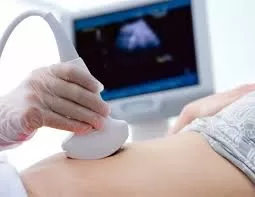
For the average citizen, the crackdown reinforces the intended purpose of prenatal care. Ultrasound technology is a vital tool for detecting genetic abnormalities and monitoring fetal health; its misuse for sex determination subverts its medical benefit.
What can citizens do?
-
Report Suspicious Activity: Most state health departments maintain anonymous hotlines for reporting clinics that offer “guaranteed” sex selection.
-
Verify Credentials: Ensure that any diagnostic center you visit is officially registered under the PCPNDT Act, which requires the registration certificate to be prominently displayed.
Challenges in Enforcement
Despite the current momentum, significant hurdles remain. The rise of portable ultrasound machines has made it easier for unscrupulous practitioners to provide “doorstep” sex determination services, bypassing the static inspections of traditional clinics.
Furthermore, the legal process in India is notoriously slow. Some cases involving PCPNDT violations have remained in the court system for nearly a decade without reaching a conviction. Critics argue that until the judicial process is streamlined, the deterrent effect of the law remains limited.
The Road Ahead
Maharashtra’s recent actions represent a pivotal moment in the state’s health policy. By combining administrative speed with legal rigor, the health department aims to reclaim the ethical integrity of the medical profession. As Minister Abitkar noted, the ultimate goal is a societal shift—one supported by ASHA workers, school counseling, and social media campaigns—where the birth of a daughter is celebrated equally with that of a son.
Medical Disclaimer: This article is for informational purposes only and should not be considered medical advice. Always consult with qualified healthcare professionals before making any health-related decisions or changes to your treatment plan. The information presented here is based on current research and expert opinions, which may evolve as new evidence emerges.
References
-
Medical Dialogues: “PCPNDT Violations: Maha Health Department to cancel 34 doctors’ licences,” March 7, 2026.