 0
0
 0
0
In a major step to strengthen infectious disease control, the Maharashtra government has officially declared leprosy a “notifiable disease.” Effective October 30, 2025, all doctors and healthcare institutions—across government, private, and non-governmental sectors—must report any diagnosed case of leprosy to district health offices or local municipal authorities within two weeks. This new directive follows a national push by India’s Union Health Ministry urging proactive, mandatory reporting to tackle lingering challenges in leprosy elimination efforts.
Key Facts:
Announced by the state health department, this policy seeks to curb the spread of leprosy and ensure timely treatment of patients across Maharashtra. With 7,863 new cases reported between September 2024 and September 2025, and 13,010 patients currently under treatment, the state is targeting “leprosy-free” status by 2027—a bold goal in line with both India’s and the World Health Organization’s leprosy elimination roadmaps.
Understanding Leprosy: Disease Overview and Challenges
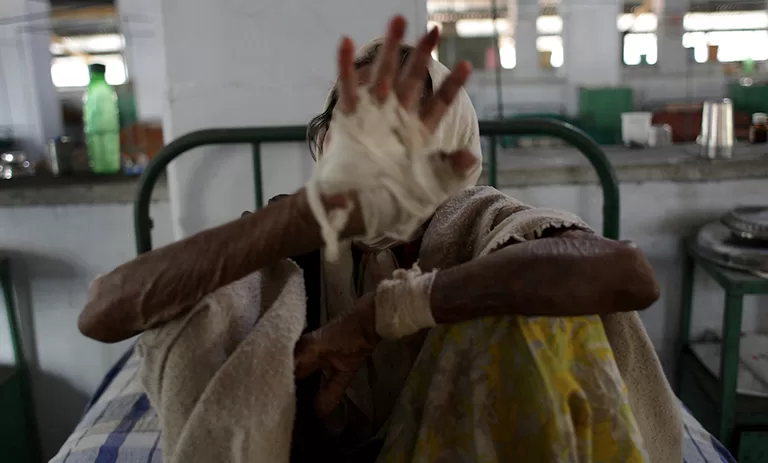
Leprosy, caused by the bacterium Mycobacterium leprae, primarily affects the skin, peripheral nerves, and eyes. Despite being fully curable with multi-drug therapy (MDT), the disease is still clouded by age-old stigma, misconceptions, and fear, often leading to dangerous delays in seeking medical care. Delayed diagnosis may result in permanent nerve damage or “Grade 2 disability”—visible deformities indicating late-stage intervention.
New Notification Rules and Public Health Implications
Under the new notification system:
-
Healthcare providers across all sectors must report every new case within two weeks.
-
Both pathological and clinical diagnoses are subject to this requirement.
-
Close contacts of diagnosed patients should be administered “post-exposure prophylaxis” (PEP), further reducing the risk of transmission.
-
Comprehensive patient follow-up and completion of therapy will be enforced to prevent relapses and disability.
-
By making registration mandatory, Maharashtra seeks to:
-
Ensure no case goes unreported—helping authorities target high-risk areas quickly.
-
Promote early detection and prompt treatment, key to halting both transmission and the emergence of disabilities.
-
Break the chain of transmission and reduce disease spread to zero.
-
Eliminate deformities among children.
-
Fight societal discrimination against persons affected by leprosy.
Statistical Context: Leprosy in Numbers
The impact of leprosy in Maharashtra is significant. According to official data:
-
7,863 new cases detected in the first three quarters of 2025.
-
13,010 patients currently receiving treatment.
-
Detection rates have hovered near 14–15 new cases per 100,000 people over recent years.
-
Grade 2 disability cases—a marker of late diagnosis—remain a concern, emphasizing the need for heightened surveillance and education.
-
Multibacillary (MB) cases, which signal higher bacterial loads and require longer treatment, accounted for over 3,464 recent diagnoses.
Expert Perspectives: Voices from the Field
Dr. Vivek Pai of the Bombay Leprosy Project explains, “Mandatory registration will help track not only treatment trends but hidden and unreported cases—often missed in the private sector or rural settings, where stigma is highest. This is essential if Maharashtra hopes to meet its elimination targets and reduce disabilities tied to late diagnosis”.
Public health expert Uday Thakar, Kushtarog Nivaran Samiti, adds, “Policies like this, already successful in states like Tamil Nadu, will ensure better integration between government, private practitioners, and NGOs. Accurate reporting is the backbone of disease control, helping resource allocation and tailored outreach”.
Why Now? National and Global Context
India accounts for the world’s largest share of leprosy cases, despite having officially “eliminated” the disease as a public health problem (less than 1 case per 10,000 people) in 2005. However, pockets of endemicity—regions where new cases cluster—remain across several states, notably Maharashtra. The World Health Organization’s Global Leprosy Strategy 2021–30 and India’s National Strategic Plan 2023–27 place emphasis on case detection, real-time reporting, robust surveillance, and stigma mitigation.
Implications for Patients and Public
For patients, early detection means a cure is possible—and the risk of disfigurement or disability can be almost entirely avoided. For the public, the mandate:
-
Encourages anyone with symptoms—persistent skin patches, numbness, or weakness—to seek prompt medical evaluation.
-
Reinforces that treated patients no longer transmit the disease, dispelling fear and stigma.
-
Promotes equitable access to care, a priority in both rural and urban Maharashtra.
Limitations and Counterarguments
While the notification is a progressive step, challenges remain:
-
Stigma can still deter people from seeking care, especially in rural or marginalized communities.
-
Actual implementation hinges on adequate training, coordination, and awareness among diverse providers—from traditional healers to urban specialists.
-
Accurate data reporting can be undermined by incomplete integration with digital health platforms, especially in resource-constrained settings.
-
The rise in reported cases may reflect better awareness and active detection drives—rather than an actual surge in disease incidence.
Practical Implications: What Readers Should Know
-
Leprosy is fully curable and early treatment prevents complications.
-
Suspicious skin changes or nerve symptoms should prompt immediate medical attention—there is no shame or danger in seeking help.
-
Families and communities should help reduce stigmatization; patients are no longer infectious after starting therapy.
-
Accurate reporting by clinics and hospitals will enable Maharashtra to rapidly achieve elimination targets, benefiting everyone.
Medical Disclaimer
Medical Disclaimer: This article is for informational purposes only and should not be considered medical advice. Always consult with qualified healthcare professionals before making any health-related decisions or changes to your treatment plan. The information presented here is based on current research and expert opinions, which may evolve as new evidence emerges.
References
-
Maharashtra declares leprosy ‘notifiable’, registration of patients mandatory. Times of India, Oct 2025. https://timesofindia.indiatimes.com/city/pune/maharashtra-declares-leprosy-notifiable-registration-of-patients-mandatory/articleshow/125024359.cmstimesofindia.indiatimes