 0
0
 0
0
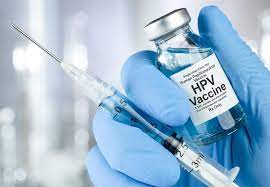
BHOPAL — In a landmark move for women’s public health in Central India, the Madhya Pradesh government has officially launched a state-wide immunization campaign to combat cervical cancer. Chief Minister Dr. Mohan Yadav inaugurated the initiative this Saturday, aiming to vaccinate approximately 800,000 adolescent girls aged 14 to 15. The drive, supported by the Central Government’s supply of over 7.5 lakh doses, seeks to provide life-saving protection against the Human Papillomavirus (HPV) at no cost to citizens, potentially shifting the trajectory of cancer prevention in the region for decades to come.
A Proactive Strike Against a Silent Killer
Cervical cancer remains one of the most significant health threats to women in India. According to Deputy Chief Minister Rajendra Shukla, who led the campaign’s physical inauguration at Dr. Kailash Nath Katju Hospital in Bhopal, the disease is the second most common cancer among women in the state, trailing only breast cancer.
With a prevalence rate of approximately 156 cases per 100,000 women, the burden on the healthcare system and families is immense. “Prevention through HPV vaccination is far more effective than treatment,” Shukla noted during the launch. “Our goal is a cervical cancer-free Madhya Pradesh.”
Understanding the HPV-Cancer Link
The Human Papillomavirus (HPV) is a common virus transmitted through skin-to-skin contact. While most HPV infections clear on their own, persistent infection with “high-risk” types can lead to abnormal cell changes that eventually progress to cervical cancer.
“The genius of the HPV vaccine is that it targets the root cause,” explains Dr. Sunita Verma, an independent gynecologist and oncologist (not involved in the state drive). “By vaccinating girls before they are exposed to the virus, we are essentially ‘pre-programming’ their immune systems to block the virus from ever taking hold. It is one of the few instances in medicine where we have a literal ‘shot’ at preventing cancer.”
Logistics and Accessibility: Breaking the Cost Barrier
One of the most significant aspects of this campaign is the removal of financial hurdles. In the private market, the HPV vaccine series can cost upwards of ₹4,000—a price point that remains out of reach for a vast majority of the population.
Key Campaign Details:
-
Target Population: ~800,000 girls (Ages 14–15).
-
Duration: Three-month intensive drive.
-
Cost: Free of cost at all designated government health facilities.
-
Supply: 7,58,500 doses provided by the Central Government.
The state is leveraging a “hub-and-spoke” model to ensure the vaccine reaches rural interiors. This infrastructure includes strengthened Primary Health Centres (PHCs) and telemedicine facilities, ensuring that even families in remote districts can access specialist consultations and safe administration of the doses.
Expert Perspectives: The Science of Timing
Public health experts emphasize that the age window of 14–15 is a critical “sweet spot” for immunization. Clinical data from the World Health Organization (WHO) suggests that the vaccine produces the strongest immune response when administered in early adolescence.
“The efficacy of the HPV vaccine is highest when given to individuals who have not yet been exposed to the virus,” says Dr. Ramesh Chandra, a public health researcher. “While the vaccine is safe for older individuals, the public health impact is maximized when we capture this younger cohort. This drive is a textbook example of primary prevention.”
Challenges and the Road Ahead: Addressing Vaccine Hesitancy
Despite the medical consensus on safety, state officials acknowledge that cultural myths and vaccine hesitancy can pose challenges. Some parents express concerns about side effects or the necessity of the vaccine at such a young age.
To counter this, Chief Minister Yadav has called upon public representatives and community leaders to advocate for the program. The government’s “Nirogi Kaya Abhiyan” (Healthy Body Mission) will integrate HPV awareness into its broader health outreach to normalize the vaccine as a routine part of adolescent care.
Common Side Effects (As noted by the CDC):
-
Brief soreness at the injection site.
-
Slight fever or dizziness (standard for most adolescent vaccines).
-
The benefits of preventing terminal cancer far outweigh these transient minor reactions.
A Broader Vision: Integrated Public Health
The HPV drive is not an isolated event but part of a larger healthcare overhaul in Madhya Pradesh. Deputy CM Shukla highlighted several concurrent missions aimed at holistic wellness:
-
Mission Madhuhari: Soon-to-be-launched weekly clinics for Type 1 Diabetes management.
-
Sickle Cell Eradication: Targeting genetic blood disorders prevalent in specific tribal belts.
-
Medical Education Expansion: A proposal to establish medical colleges in every Lok Sabha constituency to bolster the healthcare workforce.
What This Means for Parents and Guardians
For parents in Madhya Pradesh, the message from the health department is clear: Check the eligibility. If you have a daughter aged 14 or 15, visit your nearest government health centre with her identity documents.
“This is about dignity and the long-term health of our daughters,” Chief Minister Yadav stated. By taking advantage of this three-month window, families can provide a layer of protection that lasts a lifetime.
References and Data Sources
- https://bhaskarlive.in/madhya-pradesh-to-vaccinate-8-lakh-girls-in-state-wide-hpv-vax-drive/
Medical Disclaimer: This article is for informational purposes only and should not be considered medical advice. Always consult with qualified healthcare professionals before making any health-related decisions or changes to your treatment plan. The information presented here is based on current research and expert opinions, which may evolve as new evidence emerges.