 0
0
 0
0
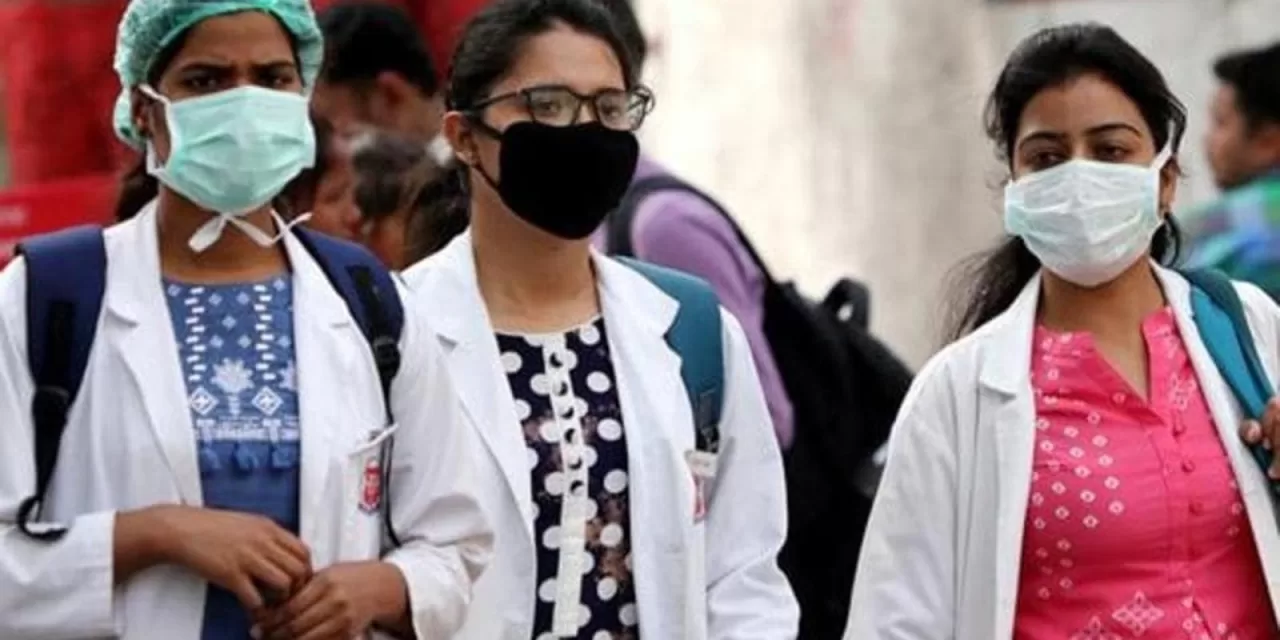
BHOPAL — The Madhya Pradesh government has officially approved a stipend hike for thousands of junior doctors, postgraduate residents, and interns across state-run medical colleges. The decision, announced by the health department on March 12, 2026, follows a disruptive four-day statewide strike that brought routine services in government tertiary care centers to a near-standstill.
While the revised pay scale—set to take effect on April 1, 2026—aims to address long-standing grievances regarding inflation and delayed commitments, the move has sparked a broader debate over the adequacy of compensation for the “backbone” of India’s public healthcare system.
The New Financial Blueprint for Trainee Doctors
The revision follows a 2021 agreement in which the state promised annual stipend increases linked to the Consumer Price Index (CPI). After a delay in the 2025 adjustment led to nearly 8,000 doctors walking off the job, the government moved to implement a 2.94% increase.
The new structure impacts various levels of medical training, ensuring that those on the front lines of public health receive adjusted compensation.
Table: Revised Monthly Stipends for Junior Doctors in Madhya Pradesh (Effective April 1, 2026)
| Category | Previous Stipend (₹) | New Stipend (₹) | Net Increase (₹) |
| MBBS Intern | 13,928 | 14,337 | 409 |
| Junior Resident (Non-PG) | 63,324 | 63,324* | – |
| PG 1st Year | 75,444 | 77,662 | 2,218 |
| PG 2nd Year | 77,764 | 80,050 | 2,286 |
| PG 3rd Year | 80,086 | 82,441 | 2,355 |
| Super-Specialty (1st–3rd Yr) | 82,441 | 82,441* | – |
| Senior Resident | 88,210 | 90,803 | 2,593 |
*Note: Fixed rates for certain categories remain under review for future CPI adjustments.
State Deputy Chief Minister and Health Minister, Dr. Rajendra Shukla, emphasized that these revisions align with the government’s commitment to periodic inflation-linked adjustments.
Why the Stethoscope Went Silent: The Roots of the Strike
The Junior Doctors Association (JUDA) launched the agitation after the April 2025 revision was not implemented despite multiple representations. For many residents, the strike was less about the specific percentage and more about systemic trust.
“This strike was less about a marginal increment and more about trust in the system and recognition of our workload,” noted one resident doctor at Gandhi Medical College, Bhopal.
Dr. Mahendra Pratap, President of JUDA Madhya Pradesh, reminded local media that during the 2021 protests, stipends were approximately ₹55,000. While the figure has grown to over ₹75,000 for PGs, the rising cost of living and the intensity of the 60–80 hour work weeks remain significant points of friction.
Expert Perspectives: Beyond the Paycheck
Health policy experts suggest that while the hike is a step forward, financial compensation is only one part of a complex equation involving doctor well-being and patient safety.
“Resident doctors are the backbone of tertiary public hospitals in India,” says Dr. Ananya Rao, a public health specialist at a government teaching hospital in Bengaluru. “They manage wards, emergencies, and the bulk of the outpatient load. Aligning stipends with inflation is not just a labor issue; it is a patient-safety issue. Burnout and financial insecurity can indirectly degrade the quality of care.”
Independent health economists note that while Madhya Pradesh’s stipends are competitive compared to some neighboring states, they often fall short of the national average when adjusted for the extreme workloads and occupational health risks residents face.
“A few thousand rupees extra per month will help, but it cannot be a substitute for systemic reforms in working conditions, such as safe working hours and mental health support,” Dr. Rao added.
National Context and Public Health Implications
The situation in Madhya Pradesh mirrors a national trend. From Telangana to Andhra Pradesh, junior doctors have consistently demanded pay parity and timely disbursements. For students from economically marginalized backgrounds, even a month’s delay in stipends can be catastrophic, affecting their ability to cover basic living expenses and exam fees.
What this means for the General Public:
-
Service Restoration: With the strike called off, outpatient departments (OPDs) and elective surgeries—which saw massive delays during the four-day protest—will return to full capacity.
-
Continuity of Care: Financial stability for residents leads to lower turnover and better focus. When the “first point of contact” in an emergency room is not distracted by financial stress, diagnostic accuracy and patient empathy typically improve.
-
Retention: Competitive stipends help retain medical talent within the state’s public sector, particularly in rural or underserved areas where government medical colleges are the only source of advanced care.
Limitations and the Road Ahead
Despite the resolution, the 2.94% hike has been met with mixed reactions. Some student groups have labeled the ₹2,000–₹2,500 increase “insufficient” given the high inflation in urban centers like Indore and Bhopal.
Furthermore, several critical issues remain unaddressed by the current notification:
-
Workplace Security: Ensuring doctors are safe from violence in hospitals remains a top priority for medical associations nationwide.
-
Infrastructure: Improving hostel conditions and providing psychological support for trainees dealing with high-stress clinical environments.
-
Implementation Gaps: Historically, there has often been a lag between the “notification” of a hike and the actual appearance of those funds in bank accounts.
Conclusion
For patients and families in Madhya Pradesh, the end of the strike ensures that the state’s medical lifeline remains intact. For the government, the CPI-linked hike represents a move toward a more predictable, evidence-based labor model. However, as medical education costs and living standards continue to shift, the dialogue between the state and its medical workforce must evolve from “crisis management” to long-term systemic support.
Medical Disclaimer: This article is for informational purposes only and should not be considered medical advice. Always consult with qualified healthcare professionals before making any health-related decisions or changes to your treatment plan. The information presented here is based on current research and expert opinions, which may evolve as new evidence emerges.
References
-
Choudhury RN. (2026, March 13). MP Govt Hikes Stipend Of Junior Doctors. Deccan Chronicle.