 0
0
 0
0
A tragic recent case in Los Angeles underscores the devastating long-term risks associated with measles infection, particularly for children infected before receiving the vaccine. A school-aged child in Los Angeles County has died from subacute sclerosing panencephalitis (SSPE), a rare but invariably fatal brain disorder that develops years after an initial measles infection contracted in infancy. This case emphasizes the critical importance of measles vaccination and community immunity as key measures to protect vulnerable populations, especially infants too young to be vaccinated themselves.
What Happened: The SSPE Case in Los Angeles
According to public health officials, the child was infected with measles as an infant before becoming eligible for the first dose of the measles vaccine, which is typically recommended between 12 and 15 months of age. Although the child initially recovered from measles, they developed SSPE—a progressive neurological disorder caused by a persistent measles virus infection in the brain—years later. SSPE leads to the gradual loss of neurological functions, including changes in personality, motor skills, speech difficulties, seizures, and ultimately results in a vegetative state and death, often within one to three years after diagnosis.
Dr. Muntu Davis, Health Officer for Los Angeles County, remarked, “This tragic case is a painful reminder of the dangers posed by measles, particularly to our most vulnerable community members. Infants too young to be vaccinated rely on us for protection through community immunity”.
Medical and Epidemiological Context of SSPE
Subacute sclerosing panencephalitis (SSPE) is an extremely rare but devastating complication of natural measles infection. It occurs when the measles virus, instead of being fully cleared by the immune system, remains in the brain in a defective form that slowly damages brain tissue over years. The condition usually manifests 7 to 10 years after the initial measles infection, often when the patient seems completely recovered from the acute illness.
The risk of developing SSPE is approximately 1 in 10,000 cases of measles nationwide but jumps significantly for infants infected before their first birthday—to about 1 in 600. This elevates the urgency of preventing early measles infections, which explains the vaccine schedule goal of immunizing children before 15 months whenever possible.
SSPE is characterized by progressive neurological decline through stages beginning with behavioral changes and culminating in coma and death. It currently has no curative treatment—the focus remains on symptomatic control, often with antiepileptic medications and supportive care, but the mortality rate reaches 95%.
Rising Measles Incidence and Public Health Implications
The death comes amid an ongoing resurgence of measles in the United States. In 2025, the U.S. has reported 1,454 measles cases—the highest since elimination status was declared in 2000—largely due to vaccine hesitancy, misinformation, and gaps in immunization coverage. This resurgence increases the risk that more children, especially those too young to be vaccinated, become vulnerable to severe complications like SSPE.
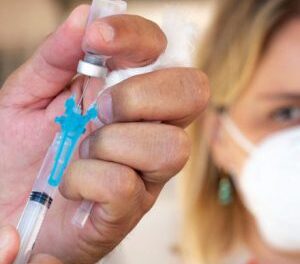
The Los Angeles County Department of Public Health urged residents to ensure their and their families’ vaccination status is up to date, especially for those at higher risk. Vaccination not only protects the individual but serves as an essential barrier that guards the entire community, including infants, pregnant women, and immunocompromised individuals who cannot be vaccinated.
Expert Opinions and Recommendations
Dr. Elizabeth Miller, a pediatric infectious disease expert not involved in this case, explains the importance of vaccination in preventing both measles and its rare but deadly complications: “Measles is not a benign childhood illness. Beyond the acute symptoms, it can cause lifelong and fatal neurological diseases like SSPE. Vaccination is the only effective tool we have to stop this virus and protect vulnerable populations”.
Public health experts also highlight the critical role of maintaining high vaccination coverage to achieve herd immunity, which indirectly protects those who cannot yet be vaccinated, such as infants younger than one year and people with medical contraindications.
Addressing Vaccine Hesitancy and Misinformation
A significant factor in the measles resurgence and resulting complications has been vaccine misinformation and hesitancy. Efforts to improve public understanding, combat false information, and increase accessibility to vaccines remain paramount. The emergence of SSPE cases, like the one in Los Angeles, underlines the real risks associated with declining vaccination rates.
Limitations and Counterarguments
While SSPE is rare, fear of such complications should be balanced with clear communication around vaccine safety and efficacy. The measles-mumps-rubella (MMR) vaccine has a strong safety record, and the risks of not vaccinating far outweigh any possible side effects. Monitoring and transparent reporting of measles cases and complications help maintain public trust and guide public health policies.
Practical Takeaway for Readers
For everyday health decisions, ensuring up-to-date measles vaccination for children and adults is crucial. Families should:
-
Follow recommended vaccine schedules for MMR
-
Check immunity status with healthcare providers, especially before travel or outbreaks
-
Support community vaccination efforts to protect vulnerable populations
Medical Disclaimer
Medical Disclaimer: This article is for informational purposes only and should not be considered medical advice. Always consult with qualified healthcare professionals before making any health-related decisions or changes to your treatment plan. The information presented here is based on current research and expert opinions, which may evolve as new evidence emerges.
References