 0
0
 0
0
A follow-up study has revealed that 67% of participants treated with psilocybin-assisted therapy for major depressive disorder remained in full remission an average of five years after treatment. Conducted by researchers at The Ohio State University, this research marks one of the rare long-term assessments of psychedelic therapy effects. The findings provide promising evidence that, with proper therapeutic support, psilocybin may offer durable relief from depression beyond conventional treatments.
Key Findings and Study Overview
The study re-evaluated adults who completed a 2020 clinical trial for psilocybin-assisted therapy in major depressive disorder (MDD). Initially, 58% of the 24 participants were in remission one year post-treatment; this figure rose to 67% at the five-year follow-up, based on 18 participants who completed the long-term assessment. The protocol involved two psilocybin dosing sessions combined with approximately 13 hours of psychotherapy, including preparation, support during dosing, and integration afterward.
Depression, anxiety, and functional impairment were assessed via online questionnaires and clinician-rated scales. The researchers conservatively treated those who did not participate in the follow-up as fully relapsed to avoid overstating success, supporting the robustness of the remission statistics.
Dr. Alan Davis, associate professor and director of the Center for Psychedelic Drug Research and Education at The Ohio State University, highlighted the consistency of improvement across multiple measures including anxiety and global functioning, underscoring sustained benefit [Earth.com].
Mechanism: How Psilocybin Works in the Brain
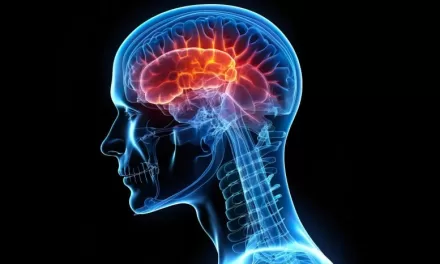
Psilocybin, a compound found in certain mushrooms, is rapidly converted in the body to psilocin, which interacts mainly with serotonin 5-HT2A receptors in the brain. This interaction alters neural connectivity, disrupting the brain’s default mode network—a system linked to self-reflective thought and rumination commonly heightened in depression.
Brain imaging shows psilocybin quiets this network and increases communication between normally disconnected brain regions, potentially reshaping entrenched negative thought patterns. This neuroplastic effect is thought to underpin the profound shifts in mood and perception observed clinically.
Expert Perspectives
Dr. Katherine Hartwell, a psychiatrist specializing in mood disorders not involved in the study, commented: “Psilocybin therapy’s promise lies in its ability to ‘reset’ maladaptive brain networks while psychotherapy guides patients in forming healthier cognitive patterns. It’s crucial, however, to emphasize the integration phase and ongoing support, which appear key to sustained remission.”
Context and Background
Depression affects over 300 million people worldwide and is often resistant to first-line treatments, including antidepressants and psychotherapy. Novel approaches are urgently needed for treatment-resistant cases. Psychedelic-assisted therapies have garnered renewed scientific interest over the past decade due to early promising outcomes.
Yet, long-term data on efficacy and safety have been limited, making this five-year follow-up study a significant contribution. It suggests that psilocybin therapy, when administered in a controlled clinical setting with psychotherapeutic support, might offer durable improvements extending beyond transient symptom relief.
Implications for Public Health
If replicated in larger randomized controlled trials, these findings could transform how depression is treated, especially for patients unresponsive to existing medications. Durable remission may reduce healthcare burdens by decreasing the need for chronic pharmacotherapy and repeated hospital visits.
Patients might also benefit from improved quality of life, as the study noted greater social engagement, motivation, and reduced isolation—key aspects often severely affected by depression.
Limitations and Counterarguments
The study’s small sample size, lack of randomization at the follow-up, and potential selection bias (only a motivated subset participated) limit broad generalization. Additionally, some participants received other depression treatments (e.g., antidepressants, ketamine, psychotherapy) during the intervening years, complicating interpretation of psilocybin’s sole contribution.
Adverse effects included heightened emotional sensitivity post-dosing and difficulties tapering medications, underscoring the need for careful patient screening, preparation, and integration support. Furthermore, the experiences of participants experimenting with psychedelics outside clinical contexts were less positive, emphasizing that the therapeutic environment matters profoundly.
Practical Takeaways for Readers
For those struggling with depression, psilocybin therapy remains experimental and unavailable outside clinical trials in most countries. However, the study’s long-term optimism highlights the importance of combined pharmacological and psychological interventions for lasting mental health improvements.
Patients should not attempt self-medication with psychedelic substances, as non-clinical use lacks safety oversight and therapeutic integration, which appear essential for positive outcomes. Instead, ongoing research and clinical trials represent the safest route to access this emerging therapy.
Conclusion
This pioneering five-year follow-up adds to growing evidence that psilocybin-assisted therapy can induce enduring remission in major depressive disorder when paired with comprehensive psychotherapy. While further large-scale studies are needed to confirm these benefits and clarify patient selection, the findings offer hope for a novel and potentially transformative treatment approach to a pervasive mental health challenge.
Medical Disclaimer:
This article is for informational purposes only and should not be considered medical advice. Always consult with qualified healthcare professionals before making any health-related decisions or changes to your treatment plan. The information presented here is based on current research and expert opinions, which may evolve as new evidence emerges.
References: