 0
0
 0
0
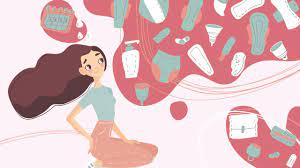
A large UK study has found that women with long COVID frequently experience longer and heavier menstrual periods and abnormal bleeding between cycles, placing them at increased risk of iron deficiency. This discovery highlights an overlooked intersection of long COVID with women’s reproductive health, with implications for diagnosis and treatment.
Key Findings and Study Details
The research, led by Dr. Jacqueline Maybin of the University of Edinburgh’s Centre for Reproductive Health, surveyed over 12,000 women in the UK from March to May 2021. Among them, more than 1,000 reported symptoms lasting beyond 12 weeks after COVID-19 infection—qualifying as long COVID—while others had recovered from acute infection or had never been infected. Women with long COVID reported significantly heavier and longer periods and more frequent intermenstrual bleeding compared to both recovered and never-infected groups. In contrast, those who had recovered from acute COVID reported minimal menstrual disruption.
In a subset of 54 women monitored longitudinally, symptoms of long COVID—fatigue, brain fog, dizziness, and breathing difficulties—worsened notably in the two days before and during menstruation. Biological analyses showed increased inflammation in the uterine lining and elevated dihydrotestosterone levels during menstruation among women with long COVID, suggesting hormonal and inflammatory mechanisms drive the menstrual changes. Importantly, ovarian function remained intact.
Expert Perspectives
Dr. Maybin emphasized the urgency of recognizing menstrual disturbances as part of the long COVID syndrome. “Heavy menstrual bleeding is already common and a major cause of iron deficiency in reproductive-age women,” she said. “If long COVID increases menstrual blood loss, without prompt treatment, iron deficiency and its associated fatigue and breathlessness can worsen women’s quality of life and long COVID symptoms.” She hopes this research enables tailored therapies that address both menstrual symptoms and broader long COVID effects in women.
Supporting this, hematology experts note that iron deficiency anemia (IDA)—a condition caused by depleted iron stores due to heavy bleeding—can exacerbate symptoms like fatigue and cognitive impairment, compounding challenges already faced by long COVID patients. Previous research from the University of Oxford and Cambridge demonstrated that iron dysregulation post-COVID infection may contribute to persistent fatigue and immune dysfunction.
Context and Public Health Implications
Long COVID affects an estimated 400 million people worldwide, with women disproportionately represented, particularly during their reproductive years. The study highlights a bidirectional relationship in which long COVID worsens menstrual health, which in turn may aggravate long COVID symptoms through iron deficiency and inflammation.
Iron deficiency is the most common nutritional deficiency globally and a leading cause of anemia in women. Heavy menstrual bleeding is a significant contributor, but long COVID has now been identified as an additional risk factor. Awareness and screening for menstrual changes and iron status in women with long COVID are critical for early intervention, which may include iron supplementation and menstrual management strategies.
Limitations and Need for Further Research
While the study robustly associates long COVID with menstrual changes, it relies primarily on self-reported data, which may be subject to recall bias. The mechanisms by which systemic inflammation affects uterine tissue need more detailed investigation, as do interventions specifically designed to alleviate menstrual symptoms in this population. The study’s cohort was limited geographically to the UK, highlighting a need for more diverse populations in future research.
Practical Takeaways for Readers
Women experiencing long COVID who notice changes in their menstrual cycles—such as prolonged bleeding, heavier flow, or bleeding between periods—should consult healthcare providers for evaluation of iron levels and appropriate management. Iron deficiency symptoms including persistent fatigue, dizziness, or breathlessness warrant medical attention, given their overlap with long COVID. Providers should consider menstrual health in their holistic assessment of long COVID patients.
This study opens avenues for better tailored treatments that address the specific experiences of women with long COVID, improving outcomes through integrated reproductive and general health care.
Medical Disclaimer: This article is for informational purposes only and should not be considered medical advice. Always consult with qualified healthcare professionals before making any health-related decisions or changes to your treatment plan. The information presented here is based on current research and expert opinions, which may evolve as new evidence emerges.
References: