 0
0
 0
0
In London, Clarify Clinics advertises a “Clari procedure” to remove microplastics from the bloodstream for approximately ₹13.5 lakh ($13,000) per session, promising between 90 and 99 percent clearance of these tiny pollutants. The treatment, recently publicized by actor Orlando Bloom, raises key questions about microplastic exposure, the safety and efficacy of this intervention, and its place in public health debates.
What Are Microplastics and Why Are They a Concern?
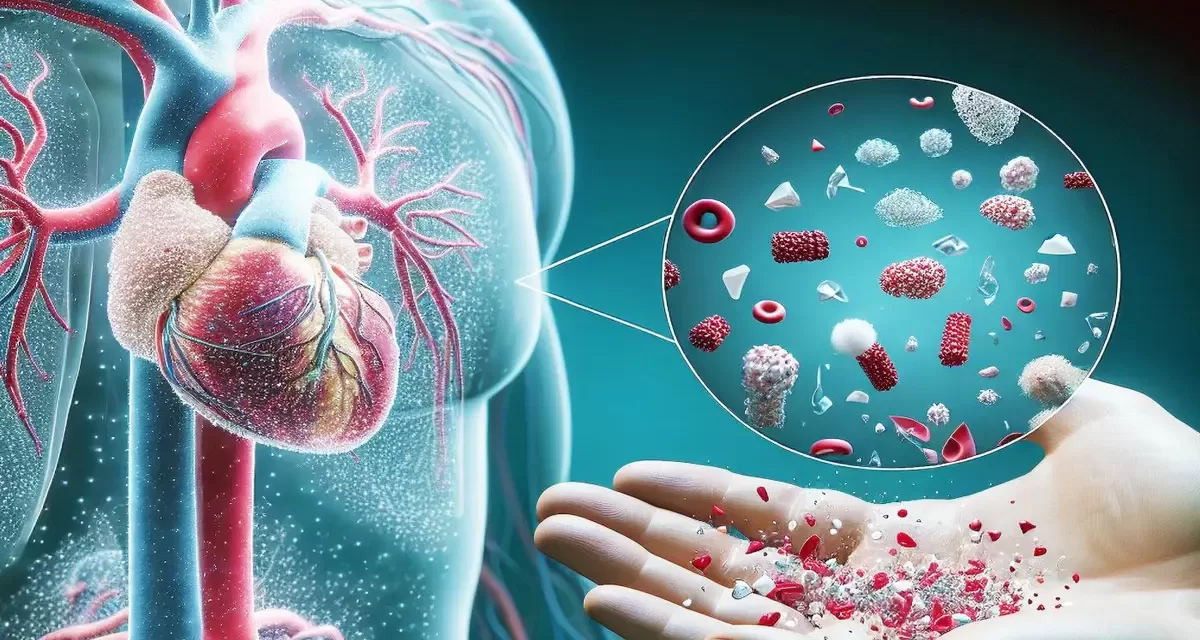
Microplastics are plastic fragments measuring between 1 nanometre and 5 millimetres. Studies have detected microplastics in human organs including the brain, heart, and blood, often originating from sources such as food packaging, water bottles, and cosmetics. Research suggests the average person unknowingly consumes tens of thousands of microplastic particles annually. Early research has linked microplastics to inflammation, organ damage, disruptions in blood coagulation, and the potential for chronic diseases—but conclusive long-term health impacts remain under study.
How Does the Clari Procedure Work?
The Clari procedure uses a process called blood apheresis, a medical technique in which a patient’s blood is separated into plasma and cellular components. The plasma, which may carry microplastics and other toxins, passes through a “Clari column”—a proprietary device designed to trap unwanted substances. The filtered plasma is then recombined with the blood cells and returned to the body. The clinic claims no additives are introduced, preserving plasma’s immune function and clotting ability. The treatment lasts about two hours, with each session costing over £9,750, and is recommended one to three times per year.
Expert Commentary and Perspectives
Dr. Stefan Bornstein, Professor of Medicine at TU Dresden (who was not involved with the Clari procedure), explains: “Therapeutic apheresis is a recognized method for removing certain blood components in autoimmune and metabolic diseases, but its use for microplastics is still experimental. Robust clinical trials are essential before such interventions become part of medical practice.” The medical community remains cautious, pointing out that the long-term health benefits and risks of removing microplastics using apheresis have not been determined.
Evidence and Limitations
While laboratory studies show that physical filtration (such as apheresis) can remove various particles from blood or water, direct, peer-reviewed trials confirming the effective removal of microplastics from the human body—along with tangible health benefits—are missing. Most published research on microplastic removal concerns environmental or water treatment technologies, not human procedures. Additionally, small-scale studies indicate that while microplastics are present in human blood, their burden and associated health effects remain largely unclear, and plastic particles may be transported to various organs but their impact is not fully understood.
Context: Microplastics in Human Health
In 2024, a study published in Nature Scientific Reports found microplastics in the blood of 88.9% of 36 participants, identifying links to increased use of plastic food containers and suggesting possible associations with blood coagulation markers. Animal studies show microplastics can penetrate barriers, enter organs, and trigger signs of inflammation or neurological effects, but these findings are yet to translate into definitive risks for humans. The growing awareness of microplastics has spurred demand for solutions, with companies increasingly entering the market—but few treatments are backed by robust science.
Implications for Public Health
Given the public’s concern about invisible environmental toxins, procedures like the Clari treatment attract attention and debate. However, experts warn against definitive claims and note the high cost of these services—over ₹13 lakh per session limits accessibility, raising ethical questions about health equity and the medicalization of environmental anxiety. Current best practices for reducing microplastic exposure focus on minimizing use of plastics in food storage, improving municipal water filtration, and supporting broader policies to limit environmental plastic pollution.
Counterarguments and Study Limitations
-
No large-scale, independent clinical trials have proven the safety, efficacy, or lasting health benefits of plasma-based microplastic removal from human blood.
-
Anecdotal testimonials (including celebrity reports) are not substitutes for scientific evidence.
-
Microplastics may accumulate in multiple body tissues, not just bloodstream, potentially limiting the impact of blood-based treatments.
-
Experts caution that removal methods could have unforeseen side effects or interact with underlying health conditions.
Practical Takeaways
For health-conscious readers, the most evidence-supported strategies remain:
-
Reduce personal plastic use and exposure—such as switching to glass or stainless steel containers.
-
Advocate for better environmental policies and water filtration technologies.
-
Remain cautious of costly medical treatments lacking peer-reviewed validation.
Medical Disclaimer
Medical Disclaimer: This article is for informational purposes only and should not be considered medical advice. Always consult with qualified healthcare professionals before making any health-related decisions or changes to your treatment plan. The information presented here is based on current research and expert opinions, which may evolve as new evidence emerges.
References