 0
0
 0
0
June 3, 2025
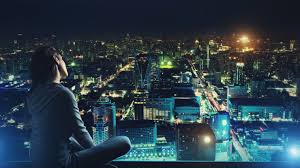
As Indian cities grow brighter with every passing year, a silent and often overlooked form of pollution is taking a toll on public health: light pollution. From glowing billboards and neon signage to all-night construction sites and over-illuminated streets, artificial light at night is increasingly linked to a range of health issues, experts warn.
The Hidden Health Costs
In September 2024, a 38-year-old night-shift worker from Mount Abu, Rajasthan, sought medical help for persistent fatigue, sleep troubles, mood swings, and weight gain. Dr. Narendra Kotwal, director of endocrinology at Paras Health, Panchkula, traced her problems to chronic exposure to artificial light—both at her workplace and from a brightly lit billboard near her home. Lab tests revealed pre-diabetes, subclinical hypothyroidism, and elevated stress hormones.
Dr. Kotwal’s prescription: blackout curtains, blue-light blocking glasses, screen-free evenings, and stress management. The patient’s health improved, but her case is far from unique. According to a 2023 study, 136 million Indians are pre-diabetic, and doctors are increasingly seeing links between disrupted sleep cycles and metabolic disorders.
What Science Says
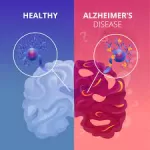
Artificial light at night suppresses melatonin, the hormone that regulates our sleep-wake cycle. This disruption can lead not only to insomnia but also to metabolic, hormonal, and immune imbalances. Research from India and abroad links light pollution to an increased risk of certain cancers, Alzheimer’s disease, mood disorders, and even weight gain.
“Poor sleep or insomnia is closely tied to depression and anxiety,” says Dr. Kersi Chavda, consultant psychiatrist at Mumbai’s P.D. Hinduja Hospital. “People in brightly lit urban areas often report higher stress and lower mood.” Blue light from screens and LEDs is especially harmful, affecting areas of the brain that regulate stress and immunity.
Children, shift workers, and those with existing mental health challenges are most vulnerable, experts caution.
Awareness Remains Low
Despite the risks, a 2022 survey found that 57% of Indians aged 16 to 65 had never even heard of light pollution. Many confuse it with other forms of environmental harm. This lack of awareness means few take steps to protect themselves—such as using blackout curtains or limiting nighttime screen use.
Public lighting is often assumed to enhance safety, but research from the UK suggests that brighter streets do not necessarily reduce crime and may even make potential victims more visible.
Urban Growth, Weak Regulation
India’s rapid urban expansion has made cities like Bengaluru, Kolkata, Hyderabad, Delhi, and Mumbai hotspots for light pollution. Studies have found street lighting in some areas to be four times brighter than recommended standards. The problem is compounded by lax enforcement and a lack of clear regulations.
Local activists, such as Mumbai’s Nilesh Desai and Sumaira Abdulali of the Awaaz Foundation, have fought to limit excessive lighting from gymkhanas, construction sites, and digital billboards, but progress has been slow.
What Can Be Done?
Unlike air pollution, light pollution is local and controllable. Experts recommend:
-
Mandating full cut-off lighting fixtures to direct light downward
-
Using warm-toned LEDs instead of harsh blue lights
-
Enforcing dimming schedules for non-essential lighting at night
-
Creating lighting zones, especially in ecologically sensitive areas
-
Raising public awareness about the health risks
“State governments must adopt standards and empower local bodies to enforce them,” says Tanya Bedi, assistant professor at the School of Planning and Architecture, Bhopal.
The Road Ahead
With India’s cities only getting brighter, the time to act is now. “The hidden perils of light are yet to be brought into full public knowledge,” says Dr. Shilpa Naithani, a leading researcher on the subject. Until then, millions may continue to pay the price for a good night’s sleep with their health.
Disclaimer:
This article is based on information from a report by IndiaSpend titled “How Light Pollution Harms Health Across India” (https://www.indiaspend.com/pollution/how-light-pollution-harms-health-across-india-955592). The medical and scientific opinions cited are those of the experts referenced in the original report. Readers are advised to consult qualified healthcare professionals for medical advice and to refer to local regulations and guidelines for environmental concerns.