 0
0
 0
0
Latin America is grappling with a significant public health challenge as millions of infants remain unvaccinated, according to recent expert analyses and international health reports. The issue of “zero-dose children” (ZDC)—children who have never received any routine immunizations—poses a serious risk of resurgence for vaccine-preventable diseases such as measles and polio, which have already shown troubling increases in recent years.
Recent data reveals that nearly 2.7 million infants under the age of one in Latin America have incomplete vaccination schedules, with certain countries bearing the heaviest burden. For example, Brazil, Mexico, and Venezuela lead the region in the absolute number of zero-dose children, with Brazil reporting over 700,000, Mexico over 300,000, and Venezuela over 120,000 unvaccinated infants1. While the Americas region saw a 14% reduction in zero-dose children from 2021 to 2022, major disparities persist, particularly in remote, rural, and urban slum communities, as well as conflict-affected areas.
Experts from the Latin American Society of Pediatric Infectious Diseases (SLIPE) emphasize that the causes behind low immunization rates are complex and multifaceted. Barriers include socioeconomic vulnerability, inadequate access to medical services, gender and ethnic inequities, lack of prenatal care, and challenges in reaching hard-to-access communities. Addressing these issues requires a comprehensive approach that goes beyond simply increasing vaccine availability.
Key recommendations from health experts include:
-
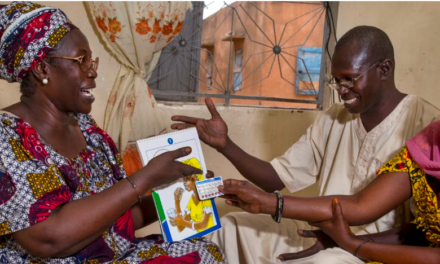
Improving vaccine accessibility: Expanding mobile vaccination units, extending clinic hours, and launching outreach programs to reach marginalized populations.
-
Enhancing awareness and education: Implementing targeted campaigns to educate families and communities about the importance of vaccination, addressing myths and misinformation, and fostering partnerships with local leaders and stakeholders.
-
Strengthening monitoring and evaluation: Tracking vaccination coverage at all levels to identify underserved areas and populations in need of targeted interventions.
Despite advances in vaccine research and development—with nearly 966 new vaccine candidates reported as of January 2023—experts warn that technological progress alone is insufficient. Strong policy frameworks, political will, and integrated public health strategies are essential to ensure that vaccines reach every child, regardless of their background or location.
According to UNICEF, a 50% reduction in zero-dose children is possible by 2030 if the issue remains a regional priority. However, achieving this goal will require sustained commitment from governments, health organizations, and communities across Latin America.
Disclaimer:
This news article is based on information from recent expert analyses published in F1000Research and referenced in Medscape. The figures and recommendations cited reflect the latest available data and expert consensus as of early 2025. The views and interpretations presented are those of the experts and do not necessarily represent the official stance of any government or organization. Always consult qualified healthcare professionals or official health authorities for the most current and accurate health advice.