 0
0
 0
0
In a pioneering public health initiative, Laos is significantly scaling up the release of Wolbachia-infected mosquitoes across multiple provinces to curb dengue fever and other mosquito-borne diseases. This expansion in 2025 aims to protect over 1.2 million people by introducing a safe, natural bacterium into local mosquito populations that reduces viral transmission. The effort follows promising pilot projects and aligns with global calls for innovative dengue prevention amid rising cases worldwide.
Dengue remains a persistent threat in Laos, particularly during the rainy season. According to the Lao Ministry of Health, 2,614 dengue cases were reported in the first half of 2025—a marked decrease from 5,192 cases in the same period in 2024. No dengue-related deaths were recorded through June 2025, compared to three in the previous year. Nonetheless, the capital Vientiane continues to report the highest numbers, with 3,405 infections as of mid-August 2025, underscoring the need for effective, sustainable control measures.
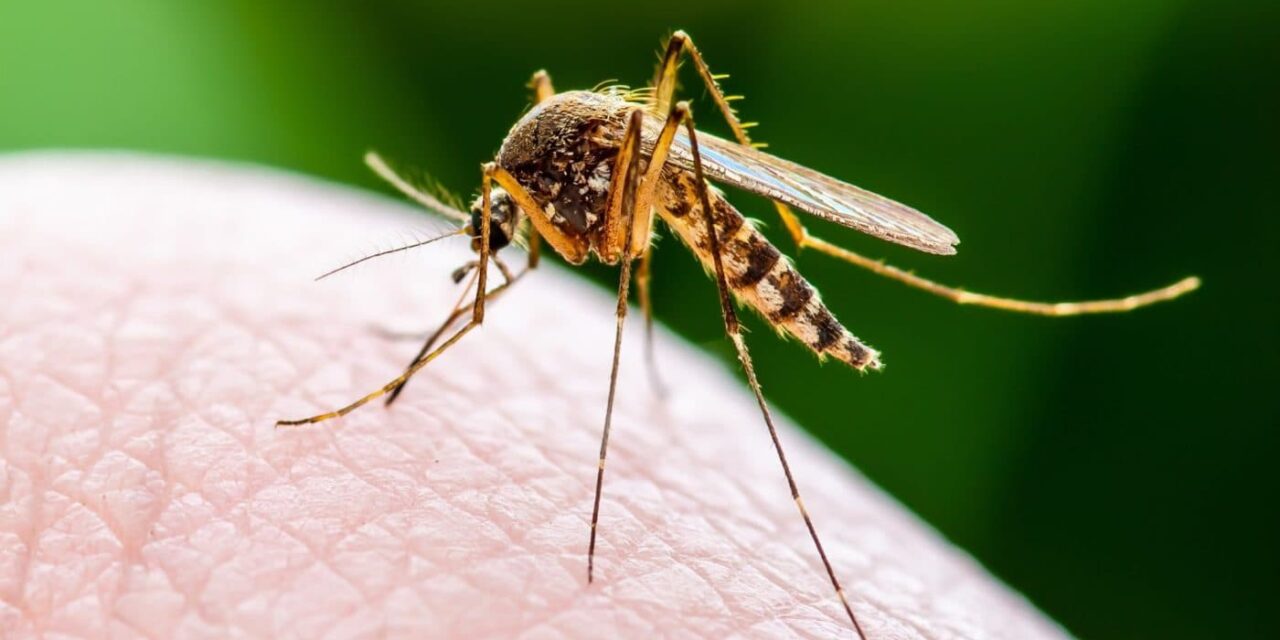
At the heart of Laos’s strategy is Wolbachia, a naturally occurring bacterium that inhabits many insect species but does not infect humans. When introduced into Aedes aegypti mosquitoes—the primary dengue virus vector—Wolbachia inhibits viral replication within the mosquito, drastically lowering its ability to transmit dengue, Zika, chikungunya, and yellow fever viruses to people.
“This method turns mosquitoes into tiny warriors against disease,” said Baikham Khattiya, Laos’s Minister of Health, during the 2025 formal launch in Vientiane. By releasing Wolbachia-infected mosquitoes, which breed with the wild populations, the bacterium spreads through successive generations naturally, creating a self-sustaining barrier to virus transmission.
The Wolbachia program in Laos builds on previous success in 2022 where release in several districts protected 32 villages and nearly 86,000 residents. Public acceptance was notably high at 99%, reflecting strong community support for this low-impact, environmentally friendly intervention.
Experts emphasize that Wolbachia mosquitoes offer a long-term, sustainable solution. “Unlike insecticides, this approach does not rely on repeated chemical use and avoids environmental damage,” explained Dr. Amanda Green, an infectious disease specialist not involved with the Laos program. “It can complement existing methods like vaccines and vector control to reduce outbreaks significantly.”
This thoughtful integration addresses both public health and ecological concerns. As one local resident put it, the Wolbachia project represents an eco-friendly, smart solution that safeguards health while preserving nature. The approach is especially relevant as climate change and urbanization heighten the risk of mosquito-borne diseases across Southeast Asia.
Globally, dengue cases have surged to alarming levels—in 2024, over 14.4 million cases were recorded worldwide, more than double the previous year. Children are particularly vulnerable to severe illness. Against this backdrop, Laos’s program, supported by the Australian Government, the World Mosquito Program, and Save the Children International, is part of a vital movement toward innovative disease control.
Field evidence supports the method’s effectiveness: In Indonesia’s Yogyakarta trial, dengue cases declined by 77% in Wolbachia-treated areas versus untreated controls. Similarly, northern Queensland, Australia, saw significant reductions in transmission, underscoring the technology’s reproducibility and safety. Laos’s program aims to expand releases over 60 km² in Vientiane and 24 km² across other provinces including Luang Prabang and Savannakhet.
However, experts caution that while Wolbachia is a powerful tool, it is not a standalone fix. “Community engagement and continued personal preventive measures remain essential,” noted Dr. Green. Residents must eliminate mosquito breeding sites by maintaining clean yards and homes, especially during the rainy season when mosquito populations peak. Public health officials echo this call for combined efforts to sustain dengue control gains.
Potential limitations include the need for consistent monitoring to ensure Wolbachia persistence in mosquito populations and vigilance against other vector species not targeted by this method. Nonetheless, long-term studies show the bacterium remains stable and effective for years post-release without adverse ecological impacts.
For readers, the Laos case highlights a hopeful advancement in fighting mosquito-borne illnesses, blending science, community cooperation, and environmental stewardship. Incorporating Wolbachia-infected mosquitoes into broader dengue prevention could represent a turning point for vulnerable regions worldwide.
Medical Disclaimer: This article is for informational purposes only and should not be considered medical advice. Always consult with qualified healthcare professionals before making any health-related decisions or changes to your treatment plan. The information presented here is based on current research and expert opinions, which may evolve as new evidence emerges.
References: