 0
0
 0
0
OXFORD — In a definitive blow to one of medicine’s most persistent debates, a massive international review has concluded that cholesterol-lowering statins are not responsible for the vast majority of side effects listed on their own warning labels.
The study, led by researchers at Oxford Population Health and published in The Lancet on February 5, 2026, analyzed data from dozens of randomized controlled trials involving tens of thousands of participants. The team found no significant link between statin use and 62 out of 66 commonly cited adverse effects—including memory loss, depression, and erectile dysfunction.
For the millions of people worldwide at risk of heart disease, the findings suggest that the “fear factor” surrounding these lifesaving drugs may be largely unfounded, driven more by suggestion than biology.
Challenging the “Label Myth”
For decades, statin packaging has carried a long list of potential grievances, from gastrointestinal distress to fatigue and sleep disturbances. However, many of these warnings were added based on observational reports where patients knew they were taking the drug, rather than rigorous “blinded” trials.
The new analysis scrutinized 66 specific symptoms. Out of that list, only four showed a statistically significant increase in risk among statin users compared to those taking a placebo.
The True Risks: What the Data Shows
The researchers identified a small number of genuine, though often mild, side effects:
-
Abnormal Liver Tests: A slight rise (about 0.1%) in liver enzyme elevations was noted, though notably, there was no increase in serious conditions like hepatitis or liver failure.
-
Edema (Swelling): A minimal increase in risk of 0.07% annually.
-
Urinary Tract Changes: A negligible 0.1% difference was observed between the statin and placebo groups.
-
True Myopathy: Confirmed muscle disorder remains rare, occurring in roughly 1 in 10,000 patients per year, primarily during the first year of treatment.
“This indicates that while individuals may experience these issues while on statins, there is insufficient evidence to establish that statins are the cause,” said Christina Reith, a senior clinical research fellow at the University of Oxford and the study’s lead author.
The “Nocebo” Effect: Power of Suggestion
A major hurdle in cardiovascular health is the “nocebo effect”—the mirror image of the placebo effect. When patients expect a medication to cause pain or brain fog because of a warning label or an internet forum, they are significantly more likely to experience those symptoms, even if the pill contains no active ingredients.
Professor Sir Rory Collins, senior author of the study and head of Oxford Population Health, noted that current package labels often rely on biased data. This leads to “undue caution” among both doctors and patients, often resulting in patients stopping their medication and leaving themselves vulnerable to heart attacks.
Brian Williams, scientific officer at the British Heart Foundation, echoed this sentiment during a press briefing. “Everyone acknowledges that patients experience adverse effects throughout their lives,” Williams said. “The critical question is whether they are linked to the medications they are taking—in the case of statins, the answer is largely no.”
Putting Benefits into Context
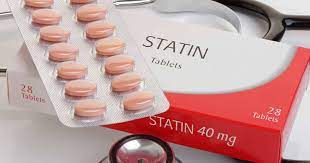
Statins, such as atorvastatin (Lipitor) and simvastatin (Zocor), work by inhibiting an enzyme called HMG-CoA reductase, which the liver uses to make cholesterol. By lowering LDL (“bad”) cholesterol, they are proven to reduce the risk of major vascular events.
To understand the trade-off, consider the statistical impact:
-
The Benefit: For every 1,000 high-risk patients treated for five years, statins prevent approximately 50 major heart attacks or strokes.
-
The Proven Risk: Beyond the minor issues identified in the new review, previous research has confirmed that statins may cause 50 to 100 cases of new-onset diabetes per 10,000 patients over five years.
Why Do Some People Still Have Muscle Pain?
While the review cleared statins of most side effects, it did not dismiss the reality of patient discomfort. A separate study published in January 2026 by researchers at Columbia University identified a biological mechanism for statin-related muscle pain in a subset of users.
They found that simvastatin can bind to ryanodine receptors, causing tiny calcium leaks in muscle cells. This explains why roughly 10% to 20% of patients in real-world settings report muscle soreness, even if the symptoms don’t reach the clinical definition of “myopathy.”
However, even with this mechanism identified, the Oxford review highlights that the risk is dose-dependent. Higher-intensity doses showed an 8% increase in muscle risk in the first year, compared to just 3% for moderate doses.
Implications for Public Health
The findings are expected to prompt regulatory bodies like the FDA and the EMA to reconsider how statin risks are communicated on labels. For public health officials, the goal is to improve statin adherence—the consistency with which patients take their prescribed medicine.
In observational studies, dropout rates for statins can reach 25%, often due to perceived side effects. If even a fraction of those patients resume therapy because of this new evidence, thousands of cardiovascular events could be averted annually.
Advice for Patients
For those currently taking statins or considering them, experts offer the following guidance:
-
Track Your Symptoms: Keep a diary of when symptoms occur.
-
Consult, Don’t Quit: Never stop taking a statin without speaking to your doctor. The risk of a cardiovascular event often far outweighs the risk of the medication.
-
Adjust the Protocol: If you do experience symptoms, your doctor may suggest switching to a different type of statin, lowering the dose, or adding supplements like Coenzyme Q10.
-
Lifestyle First: Statins work best when paired with a heart-healthy diet, regular exercise, and tobacco cessation.
Conclusion: Evidence Over Anxiety
The Oxford landmark review serves as a powerful reminder of the importance of randomized controlled trials—the gold standard of medical evidence. By filtering out the “background noise” of everyday aches and pains that happen regardless of medication, researchers have provided a clearer picture of statin safety than ever before.
For the vast majority of users, the message is clear: the protection these drugs offer your heart is real, while the risks, for most, are a matter of perception rather than biology.
Medical Disclaimer: This article is for informational purposes only and should not be considered medical advice. Always consult with qualified healthcare professionals before making any health-related decisions or changes to your treatment plan. The information presented here is based on current research and expert opinions, which may evolve as new evidence emerges.
References
-
https://www.reuters.com/business/healthcare-pharmaceuticals/statins-dont-cause-most-side-effects-blamed-them-2026-02-05/