 0
0
 0
0
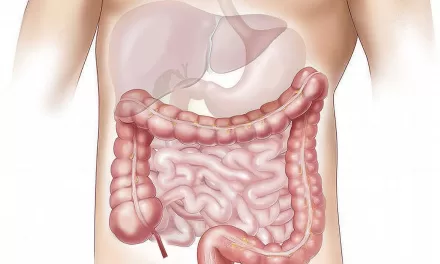
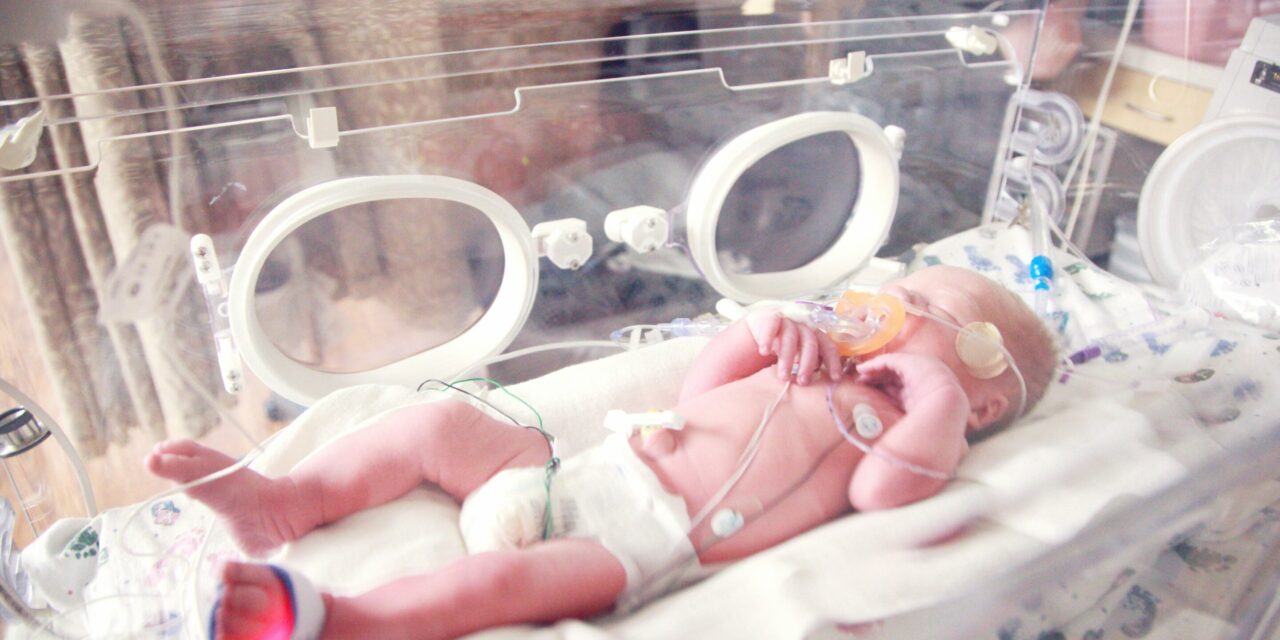
The recent FEED1 trial led in the UK demonstrates that preterm infants born at 30 to 32 weeks’ gestation may safely begin full milk feeds from day 1 without increased risk of severe complications such as necrotizing enterocolitis (NEC), a serious intestinal disease common in premature infants. The study compared immediate full enteral milk feeding (60-80 mL/kg per day) initiated within 3 hours after birth against a gradual feeding approach supplemented with intravenous fluids or parenteral nutrition. Findings show comparable hospital stay durations between the two groups but reductions in invasive interventions such as intravenous lines and days in intensive care for the early full feeding group.
Key Findings from the FEED1 Trial
The open-label superiority trial included 2,088 stable infants born at 30 to 32 weeks across 46 UK neonatal units from 2019 to 2024. About half started full milk feeds immediately after birth, while the other half received a gradual feeding regimen. The primary outcome measured was the length of hospital stay; secondary outcomes were NEC incidence, hypoglycemia rates, and survival until discharge.
-
Hospital stay: Mean 32.4 days for full feed group vs 32.1 days for gradual feeding, no significant difference
-
NEC incidence: 0.4% in full feed group vs 0.6% in gradual feeding group, no significant difference
-
Survival rates: Nearly 99.6% survival in both groups
-
Secondary benefits: Full feed infants reached full enteral feeding earlier (7.0 vs 7.9 days), fewer intravenous lines, and fewer days in intensive care
-
Fewer invasive procedures decreased risk of infection and improved infant comfort
-
Approximately 37% of infants did not fully adhere to the full feeding protocol
Despite no reduction in length of hospital stay, these benefits suggest clinical advantages to immediate full milk feeding for stable preterm infants in this gestational age category.
Expert Commentary and Context
Dr. Jane Smith, a neonatologist not associated with the study, noted: “This large trial importantly challenges traditional cautious feeding practices. Immediate full milk feeds reduce the need for intravenous lines, which lowers infection risks and procedural discomfort. Although length of stay was unaffected, the reduction in invasive care is a meaningful clinical outcome.”
Traditionally, preterm babies are fed slowly to reduce the risk of NEC, a life-threatening gastrointestinal complication. Earlier feeding studies often used trophic or minimal enteral nutrition initially. However, this investigation supports revisiting feeding protocols with careful selection of clinically stable infants.
Feeding preterm infants exclusively human milk, preferably mother’s own milk, remains the gold standard due to its protective effects against NEC, infections, and improved neurodevelopmental outcomes. When mother’s milk is unavailable, donor milk is recommended over formula for early feeding initiation.
Implications for Public Health and Clinical Practice
Adopting immediate full milk feeding for stable preterm infants could:
-
Reduce reliance on intravenous nutrition and associated risks such as bloodstream infections
-
Enhance infant comfort by decreasing painful procedures
-
Potentially lower healthcare resource use related to intensive care interventions
-
Support earlier establishment of gastrointestinal function, promoting growth and development
Hospitals may consider implementing early feeding protocols alongside robust lactation support to maximize availability of maternal milk. Continued follow-up trials will clarify longer-term neurodevelopmental and health outcomes of early full feeding practices in preterm infants.
Limitations and Balanced Perspective
The study’s limitation includes a significant rate of nonadherence to the full milk feeding protocol, which might have underestimated potential benefits. The trial focuses on clinically stable infants born at 30 to 32 weeks; results may not apply to extremely preterm (<30 weeks) or medically unstable neonates.
Longer-term outcomes beyond hospital discharge are still being studied to assess effects on growth, neurodevelopment, and chronic health conditions. Furthermore, exclusive use of mother’s own milk was encouraged but not mandatory, and milk type variability may influence results.
Finally, feeding practices should always be individualized based on the infant’s condition, institutional protocols, and resource availability.
Practical Takeaways for Parents and Caregivers
For parents of preterm infants:
-
Immediate full milk feeding under medical supervision may be safe and beneficial for many stable preterm babies around 30 to 32 weeks gestation.
-
Prioritize human milk feeding; if unavailable, donor milk is preferable to formula for early feeding.
-
Ask the neonatal care team about feeding plans, support for milk supply, and pain management related to feeding interventions.
-
Understand that gradual feeding is still appropriate for very premature or medically fragile infants.
-
Early feeding alone may not shorten hospital stay but can contribute to fewer invasive procedures and better comfort.
Medical Disclaimer
Medical Disclaimer: This article is for informational purposes only and should not be considered medical advice. Always consult with qualified healthcare professionals before making any health-related decisions or changes to your treatment plan. The information presented here is based on current research and expert opinions, which may evolve as new evidence emerges.
References
-
Morgan G, et al. “Full exclusively enteral fluids from day 1 versus gradual feeding in preterm infants born 30-32 weeks: the FEED1 trial.” Medscape, 2025 Nov 4. Available from: https://www.medscape.com/viewarticle/preterm-babies-may-safely-start-full-milk-feeds-day-1-2025a1000uddmedscape