 0
0
 0
0
June 2, 2025
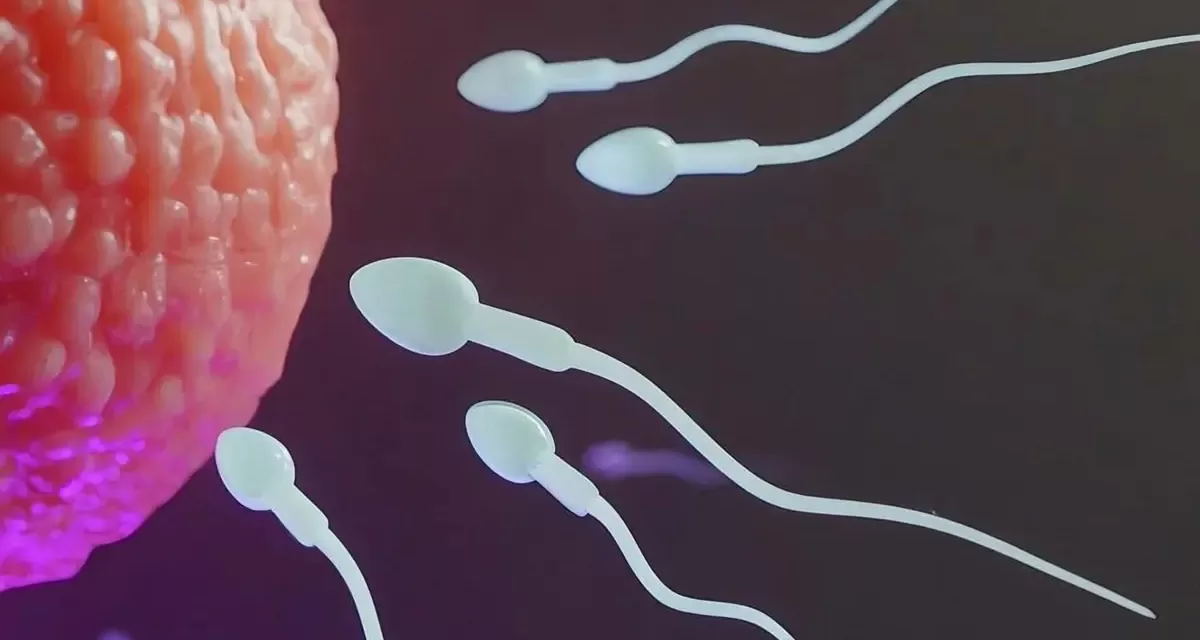
In a groundbreaking development that could transform the future of fertility treatment, researchers at the University of Limerick are working on producing human sperm from lab-engineered testicular tissue. This innovative approach aims to offer new hope to millions of men worldwide affected by infertility—particularly those for whom current treatments have failed.
The Challenge of Male Infertility
Male reproductive health has been declining steadily over the past seventy years, with sperm counts dropping dramatically and conditions such as testicular cancer, hormone imbalances, and genital malformations on the rise. While the exact causes remain uncertain, increasing attention is being paid to environmental factors, especially endocrine-disrupting chemicals found in everyday items like plastics, pesticides, and cosmetics.
For many men, infertility remains unexplained—known as idiopathic infertility—leaving them with limited treatment options. The most common procedure, surgical sperm retrieval (SSR), involves an invasive search for viable sperm within the testicles. However, the success rate can be as low as 40%, and the process often shifts the physical and emotional burden onto the female partner.
The Promise of Lab-Engineered Sperm
Led by Dr. Eoghan Cunnane, the University of Limerick team is combining biology, mechanical engineering, and materials science to create model systems that replicate the structure and function of human testicular tissue. By building detailed models from donor tissue samples, the researchers hope to mimic the natural process of sperm production—something that has so far only been achieved in animal models, not humans.
If successful, lab-produced sperm could revolutionize fertility care. It could provide a solution for men who have undergone unsuccessful SSR procedures, childhood cancer survivors whose fertility was compromised by treatment, and those with severe, unexplained infertility. This breakthrough could also reduce the reliance on donor sperm, a decision that is often emotionally challenging for couples.
Looking Ahead
While the research is still in its early stages, the potential impact is enormous. Lab-produced sperm could not only restore fertility for many men but also address broader health issues linked to male infertility, such as higher rates of illness and early mortality.
As Dr. Cunnane notes, “This isn’t just a scientific experiment. It’s about restoring hope to those for whom existing medical approaches have run out of answers.”
Disclaimer:
This article is based on ongoing scientific research and developments reported by The Indian Express. Lab-produced human sperm is not yet available as a clinical treatment, and the technology is still under development. Individuals seeking fertility advice should consult qualified healthcare professionals for current treatment options and guidance.
Citations: