 0
0
 0
0
KOLKATA – In a milestone for urban public health in South Asia, the Kolkata Municipal Corporation (KMC) has reported a dramatic shift in the city’s battle against mosquito-borne illnesses. New data released this week reveals that dengue infections in the West Bengal capital plummeted by approximately 91% in 2025 compared to the crisis levels seen in 2023. Malaria cases have also seen a significant 40% decline during the same period, signaling that the city’s intensified surveillance and community-driven intervention strategies are yielding measurable results.
From Crisis to Control: The Data Behind the Decline
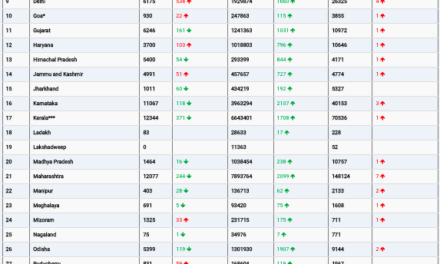
Only two years ago, Kolkata was grappling with what health officials described as an “atypical” and “exceptionally high” burden of disease. Between January and November 2023, the city recorded 12,334 dengue cases, a number that swelled to nearly 14,000 by year-end. Hospitals were stretched to capacity, and the sheer volume of infections prompted a total overhaul of the city’s vector-management protocols.
The response was swift. Beginning in early 2024, the KMC’s vector control wing transitioned from a reactive model to a proactive, year-round surveillance system. The results of this shift were almost immediate:
-
2023 (Jan 1 – Nov 2): 12,334 cases
-
2024 (Jan 1 – Nov 2): 1,316 cases (a 90.5% drop)
-
2025 (Jan 1 – Nov 2): 1,106 cases (a cumulative 91% drop from 2023)
While the numbers are a cause for celebration, public health experts urge a nuanced interpretation. Because 2023 was an outlier with an abnormal spike, they caution against using it as a permanent baseline. However, the fact that cases continued to drop in 2025 suggests that the downward trend is more than just a statistical correction—it is a sustained improvement.
The “Kolkata Model”: Early Intervention and Micro-Level Surveillance
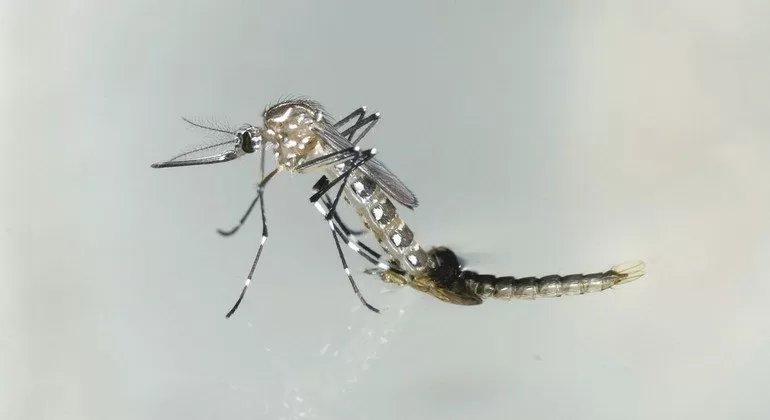
The success in curbing Aedes aegypti (dengue) and Anopheles (malaria) populations is attributed to a multi-pronged approach that local officials refer to as “source reduction.”
“The key wasn’t just spraying insecticide; it was moving the intervention up the timeline,” says a senior official from the KMC health department. By identifying breeding hotspots in January and February—months before the monsoon season begins—teams were able to eliminate larvae before they reached adulthood.
Key Pillars of the Strategy:
-
Strengthened Field Surveillance: Teams of health workers conducted door-to-door inspections, using digital mapping to track stagnant water in construction sites, vacant plots, and residential rooftop gardens.
-
Community Participation: The KMC launched localized awareness campaigns, turning residents into “first responders” who ensure that containers, flowerpots, and discarded tires are cleared of water.
-
Biological Control: In some wards, the introduction of larvae-eating fish (Gambusia affinis) in large water bodies helped naturally suppress mosquito populations without heavy chemical use.
Expert Perspectives: A Cautious Optimism
Outside of the municipal administration, independent medical professionals view the data as a significant win for urban sanitation, though they warn against complacency.
“A 91% reduction is staggering and speaks to the effectiveness of organized civic action,” says Dr. Arindam Ghosh, an infectious disease specialist not affiliated with the KMC. “However, we must remember that dengue is cyclical. Variations in rainfall patterns, humidity, and the specific serotype of the virus circulating in a given year all play a role. The real test will be maintaining these low numbers if a more virulent strain enters the population.”
Dr. Ghosh also noted that the 40% fall in malaria is equally vital. “Malaria requires a different environmental focus than dengue. Seeing both decline simultaneously suggests a comprehensive improvement in the city’s overall drainage and sanitation infrastructure.”
What This Means for Residents
For the average resident of Kolkata, the statistics translate to a lower “force of infection.” This means the statistical likelihood of being bitten by an infected mosquito has decreased significantly.
However, health literacy remains the best defense. Public health officials emphasize that even with a 91% drop, the virus is still present.
Recommended Daily Actions:
-
The “Dry Day” Rule: Dedicate one day a week (usually Sundays) to ensuring no water is collected in or around the home.
-
Personal Protection: Use mosquito nets and DEET-based repellents, especially during the day, as Aedes mosquitoes are primarily daytime biters.
-
Early Diagnosis: If fever, joint pain, or rashes develop, seek a NS1 antigen test immediately. Early detection prevents the “dengue shock syndrome” that leads to hospitalizations.
Looking Ahead: Sustainability and Challenges
While the 2025 report is a triumph, challenges remain. Rapid urbanization and the proliferation of high-rise construction provide “perfect” breeding grounds in hard-to-reach areas like elevator shafts and basement sumps. Furthermore, climate change continues to shift monsoon patterns, potentially extending the breeding season into late November.
The KMC has stated that the 2026 budget will continue to prioritize vector control, with an increased focus on genomic surveillance to track which of the four dengue serotypes are most active. This data will allow hospitals to prepare for the specific clinical manifestations of the dominant strain.
By turning a crisis-level outbreak in 2023 into a success story by 2025, Kolkata has provided a potential blueprint for other tropical megacities. For now, the “City of Joy” can breathe a little easier, though with its sleeves rolled down and its eyes on the water.
Medical Disclaimer
This article is for informational purposes only and should not be considered medical advice. Always consult with qualified healthcare professionals before making any health-related decisions or changes to your treatment plan. The information presented here is based on current research and expert opinions, which may evolve as new evidence emerges.
References and Sources
- https://www.daijiworld.com/news/newsDisplay?newsID=1307393