 0
0
 0
0
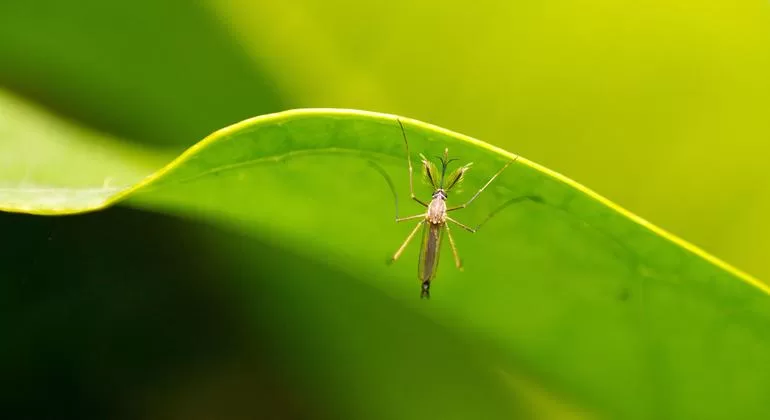
Kolkata, July 3, 2025 — The Kolkata Municipal Corporation (KMC) has identified a new mosquito species, Aedes vittatus, as a potential vector for dengue and chikungunya within city limits, marking a significant development in the city’s ongoing battle against vector-borne diseases.
Until now, only Aedes aegypti and Aedes albopictus were recognized as primary transmitters of dengue in Kolkata. The discovery was made during a routine vector control drive on Harish Neogi Road in Ward 14, where larvae were found in a flower pot containing stagnant water. The larvae were reared to adulthood in the KMC laboratory, and subsequent examination under a digital microscope confirmed the species as Aedes vittatus, distinguished by six white dots on the thoracic region.
Aedes vittatus is not new to science—it was first described in 1861 from specimens in Corsica. The species is known to be present across Africa, South Asia, Southeast Asia, Central Asia, the Middle East, Southern Europe, South America, the Caribbean, and North America1. Besides dengue and chikungunya, Aedes vittatus is also capable of transmitting Zika and yellow fever, though such cases have been extremely rare in Kolkata to date.
The detection comes as Kolkata records a 90 percent decline in dengue cases compared to the same period last year, with 116 cases reported so far in 2025, according to KMC’s Health department. However, the emergence of another vector species underscores the need for continued vigilance and public cooperation in mosquito control efforts.
Aedes vittatus is known for its adaptability, breeding in a variety of outdoor containers and natural habitats, and its eggs are resistant to extreme temperatures and adverse climatic conditions. This resilience makes it a potential threat, especially in urban environments where stagnant water is common.
KMC officials urge residents to maintain cleanliness in and around their homes, eliminate stagnant water, and cooperate with vector control teams to prevent further spread of mosquito-borne illnesses.
“The presence of 3 pairs of small round silvery white spots on the dorsal aspect of its thorax is its identifying character. Aedes vittatus is a voracious biter of humans,” said Debashis Biswas, Chief Vector Control Officer, KMC.
Disclaimer:
This article is based on information reported by the Kolkata Municipal Corporation and related health authorities as of July 3, 2025. The situation is evolving, and readers are advised to follow updates from official health sources and consult medical professionals for individual concerns regarding vector-borne diseases.