 0
0
 0
0
Mumbai, Jun 19:
Vitamin D, often called the “sunshine vitamin,” is a crucial nutrient that supports bone health, immune function, and overall well-being. Despite India’s abundant sunshine, Vitamin D deficiency remains a pressing public health issue, affecting individuals of all ages and backgrounds—from children and athletes to outdoor workers and healthcare professionals.
Renowned gastroenterologist Dr. Pal Manickam highlights four essential facts about Vitamin D that everyone should know for a healthier lifestyle:
1. Daily Intake Matters
Dr. Manickam emphasizes that an average healthy adult requires about 600 IU (International Units) of Vitamin D per day. This daily dose is essential for proper calcium absorption and bone strength. Achieving this can be possible through a combination of sunlight exposure and dietary sources.
2. Sunlight – The Natural Generator
The most effective way to produce Vitamin D is through direct sunlight exposure, especially between 10 a.m. and 2 p.m., when UVB rays are strongest. Dr. Manickam recommends 15 to 30 minutes of sun exposure on the face, arms, and hands, two to three times a week, with about 40% of skin uncovered. This simple routine can help maintain adequate Vitamin D levels.
3. Eat Smart – Know Your Sources
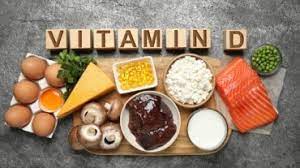
Vitamin D-rich foods include oily fish (such as salmon, sardines, and mackerel), red meat, egg yolks, and fortified cereals and spreads. These foods are vital for sustaining healthy Vitamin D levels. Dr. Manickam advises pregnant women to avoid liver, despite its high Vitamin D content, due to the risk of excessive Vitamin A.
4. A Word for Vegans
Vegans often have limited dietary sources of Vitamin D. However, mushrooms exposed to sunlight can be a useful plant-based option. “So eat as many mushrooms as possible,” Dr. Manickam suggests, as these can help marginally increase Vitamin D intake when grown under UV light.
With modern lifestyles increasingly spent indoors, Vitamin D deficiency is becoming more common, even in sun-rich countries like India. Experts urge people to take a proactive approach: enjoy moderate sunlight, include Vitamin D-rich foods in your diet, and consider supplements if needed, but only under medical supervision.
A few rays a day might just be the simplest way to stronger bones and a robust immune system.
Disclaimer:
The information provided in this article is for general informational purposes only and should not be considered as medical advice. Always consult a healthcare professional before making any changes to your diet, lifestyle, or supplement regimen, especially if you have underlying health conditions or concerns about Vitamin D deficiency. Individual needs may vary, and excessive Vitamin D intake can have harmful effects.