 0
0
 0
0
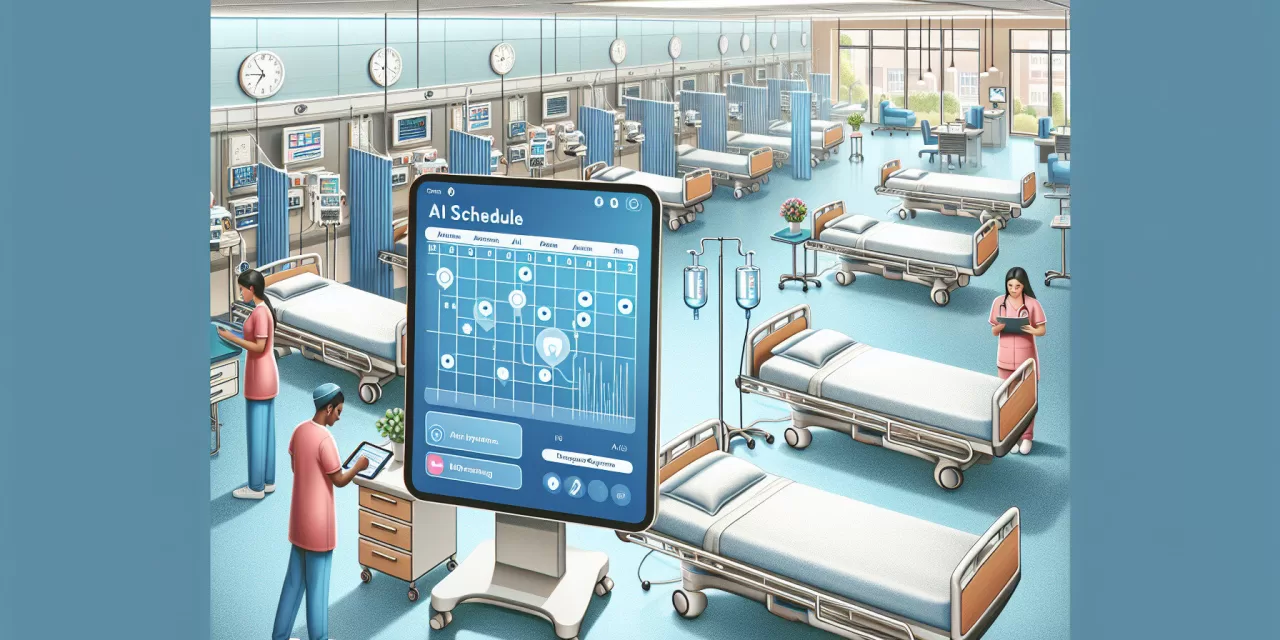
In a landmark development for Indian medical education and healthcare, Kasturba Medical College (KMC) Manipal, under the prestigious Manipal Academy of Higher Education (MAHE), has inaugurated the country’s first Department of Artificial Intelligence (AI) in Healthcare. The department was officially launched on a recent Friday at the Dr. TMA Pai Auditorium, Udupi, by Lt Gen (Dr) MD Venkatesh, Vice Chancellor of MAHE. This initiative represents a significant stride toward integrating cutting-edge technology with healthcare delivery and medical training in India.
Key Developments and Vision
The new department aims to embed AI deeply into healthcare education, research, and clinical practice, signaling a transformative approach for the medical field. Dr. Sharath K Rao, Pro Vice Chancellor (Health Sciences) at MAHE, highlighted the future-oriented roadmap which focuses on “responsible innovation” and a comprehensive 360-degree application of AI technologies—from diagnostics and treatment to even reshaping medical education paradigms. Dr. Anil K Bhat, Dean, emphasized that the department will provide specialized training and foster cutting-edge research in predictive analytics, medical imaging, personalized medicine, and clinical decision support systems.
Educational programs such as MSc and integrated MSc–PhD degrees will be launched, along with dedicated faculty training and industry collaborations to ensure the department remains at the forefront of AI advancements. The department is coordinated by Dr. Rachana and Dr. Preethi Shetty, supported by multidisciplinary faculty from KMC, Manipal Institute of Technology, and allied fields.
Expert Perspectives
AI in healthcare earned increasing attention globally for its potential to revolutionize diagnostics, treatment planning, and patient monitoring. Dr. Venkatesh asserted, “The future of healthcare is inextricably linked with technology,” underlining the necessity for healthcare professionals to adopt AI-driven tools smartly and ethically. Independent experts note that AI applications in medicine can improve early disease detection, optimize resource use, and enable personalized treatment strategies when implemented prudently.
Dr. Anil K Bhat reflected on the transformative potential, stating, “Training future healthcare professionals in AI ensures not only technological proficiency but also a deep understanding of its ethical and clinical implications.” This positions KMC Manipal as a pioneer, driving India’s healthcare toward global standards of innovation.
Context and Background
Artificial Intelligence in healthcare refers to computer systems capable of performing tasks that typically require human intelligence, such as image analysis, pattern recognition, and data interpretation. Globally, AI-powered tools are revolutionizing fields like radiology, oncology, pathology, and chronic disease management by improving diagnostic accuracy and enabling more personalized care.
In India, adoption of AI in healthcare has been gradual but gaining momentum amid increasing digital health initiatives and rising demand for precision medicine. Until now, formal academic departments specializing exclusively in AI within the healthcare domain were nonexistent, making KMC Manipal’s new department a pioneering model.
Implications for Public Health and Daily Life
For health-conscious consumers, the integration of AI can mean earlier and more accurate diagnoses, tailored therapies, and improved monitoring of conditions from diabetes to cancer. Clinicians trained with AI expertise are better equipped to leverage these advances to enhance patient outcomes efficiently and ethically. The department’s focus on predictive analytics could translate to more proactive healthcare, potentially reducing complications and hospitalizations.
However, experts caution that AI tools are adjuncts, not replacements for medical judgment. Patient privacy and data security are paramount concerns as healthcare data becomes increasingly digitized and AI-driven.
Limitations and Counterarguments
While AI promises substantial gains, there are limitations and challenges. AI systems rely heavily on large, high-quality datasets that are representative and unbiased—an ongoing struggle given health data variability in India. There is also the risk of over-reliance on technology without sufficient human oversight, potentially leading to errors or ethical dilemmas. Moreover, disparities in technology access could widen healthcare inequities if AI benefits are not equitably distributed.
Balanced integration requires rigorous validation of AI tools, transparent algorithms, clinician training, and continuous monitoring. KMC Manipal’s emphasis on responsible innovation and education appears well-placed to address these complexities.
Conclusion
The launch of India’s first Department of Artificial Intelligence in Healthcare at KMC Manipal marks a transformative milestone, offering promising avenues to enhance medical education, research, and clinical practice. With early adoption of AI infrastructure, responsible governance, and interdisciplinary collaboration, this pioneering effort could serve as a model for other institutions. For the public, this development signals an advancing healthcare landscape where cutting-edge technology increasingly supports better, personalized care.
Medical Disclaimer: This article is for informational purposes only and should not be considered medical advice. Always consult with qualified healthcare professionals before making any health-related decisions or changes to your treatment plan. The information presented here is based on current research and expert opinions, which may evolve as new evidence emerges.
References
-
Kasturba Medical College, Manipal Launches Department of Artificial Intelligence in Healthcare. Medical Dialogues. (2025). Retrieved from https://medicaldialogues.in/news/health/hospital-diagnostics/kmc-manipal-launches-department-of-ai-in-healthcare-154308