 0
0
 0
0
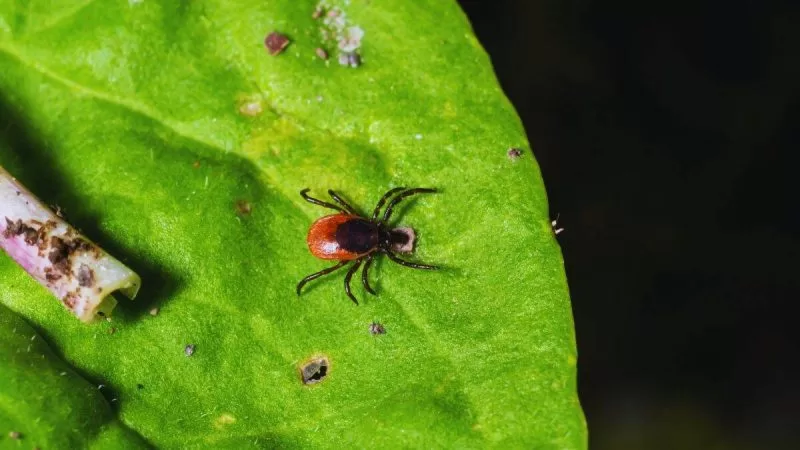
Chagas disease, colloquially known as “kissing bug” disease, is now confirmed by experts as endemic across several states in the United States. This parasitic infection has been quietly expanding its footprint, transmitted by triatomine insects famously called kissing bugs due to their bloodsucking bites near the mouth and eyes during nighttime hours. While long recognized as a major health problem in Latin America, recent research and surveillance have shown it increasingly present and locally transmitted across at least eight US states, with the parasite found in kissing bugs and animal reservoirs as far north as Michigan. Understanding its health risks, transmission modes, and the growing public health implications are vital for healthcare providers and the public alike.
How Chagas Disease Spreads and Its Health Impact
Chagas disease is caused by the parasite Trypanosoma cruzi, which is carried in the feces of triatomine bugs. When a kissing bug bites a person, it often defecates near the wound or on the face. If the feces, containing the parasite, enter the body through the bite, eyes, nose, or mouth—often via scratching or rubbing—an infection can develop. The disease does not spread through casual contact or from person to person.
The infection is initially mild or unnoticed; many people experience no symptoms in the acute phase. However, 20 to 30 percent of infected individuals eventually develop serious chronic complications affecting the heart and digestive system years or decades later. These may include arrhythmias, heart failure, an enlarged heart, or digestive tract dilation, which can be life-threatening without treatment. Early diagnosis significantly improves outcomes.
Where the Disease Is Found and Why Recognition Matters
According to the US Centers for Disease Control and Prevention (CDC) and recent peer-reviewed findings published in the Emerging Infectious Diseases journal, Chagas disease should be considered endemic in the United States. The parasite and its insect vectors are present in 32 states, with locally acquired human cases documented in at least eight states, including Texas, California, Arizona, Louisiana, Mississippi, Missouri, Arkansas, and recently identified in Michigan. Animals, notably dogs and wildlife, serve as important reservoirs, maintaining the parasite in nature.
Dr. Norman Beatty, clinical associate in the Division of Infectious Diseases and Global Medicine at the University of Florida College of Medicine and author of the recent CDC report, shared, “We have been waiting and hoping for acknowledgment of this disease within our communities. Recognizing its endemic presence is crucial for improving surveillance, treatment, and prevention.”
The recognition of endemic status is expected to enhance awareness among healthcare professionals, potentially leading to earlier testing and diagnosis in populations previously not considered at risk. It also supports increased funding for research, public education, and vector control initiatives.
Expert Perspectives and Public Health Implications
Judith Currier, MD, chief of infectious diseases at UCLA Health, notes, “Most people living with Chagas disease are unaware of their diagnosis, often until it’s too late for effective treatment.” This highlights a critical challenge: the silent progression of the disease and its underdiagnosis in the US.
Transmission risk is influenced by environmental changes, climate factors affecting bug habitats, and increased human-wildlife interactions. The bugs’ ability to invade homes and bite humans, combined with animal reservoirs, sustains transmission cycles.
From a public health standpoint, the endemicity of Chagas disease in the US underscores the need for:
-
Enhanced screening protocols in blood banks and among at-risk populations.
-
Public education to reduce exposure risks, such as measures to avoid bug bites and awareness of early symptoms.
-
Increased clinician training to recognize and manage Chagas disease.
-
Research into improved treatment options and vector control methods.
Limitations and Continuing Uncertainties
While data indicate widespread presence and local transmission, definitive trends regarding increases in geographic distribution or case numbers remain unclear. Some researchers suggest infections may be underreported due to lack of awareness and testing. Moreover, Chagas disease does not spread through casual contact or airborne transmission, so general public risk remains low, but targeted awareness is vital where vectors are common.
Summary for Readers’ Daily Health Decisions
Being informed and cautious about kissing bugs can reduce risk. The bugs are nocturnal, typically biting when people sleep, often near the eyes or mouth. Preventive measures include keeping homes sealed, using insect screens, eliminating bug hiding spots indoors, and avoiding sleeping in poorly constructed housing in endemic areas.
If a bite is suspected and symptoms such as swelling around the bite, fever, rash, or fatigue appear, prompt medical consultation is advised. Early testing can detect infection before irreversible complications develop, and treatments exist to manage the disease effectively.
References and Sources