 0
0
 0
0
THIRUVANANTHAPURAM — In a move with far-reaching implications for the regional healthcare landscape, the Kerala state government has officially notified a significant increase in the minimum wages for employees in the private hospital sector. The decision, aimed at addressing long-standing grievances regarding the underpayment of nursing and paramedical staff, marks a pivotal moment in the state’s labor relations. While the reform promises a needed financial lifeline for frontline workers, it has simultaneously ignited a debate regarding the economic viability of small-to-medium-scale clinical establishments and the potential for rising patient care costs.
A Long-Awaited Victory for Frontline Staff
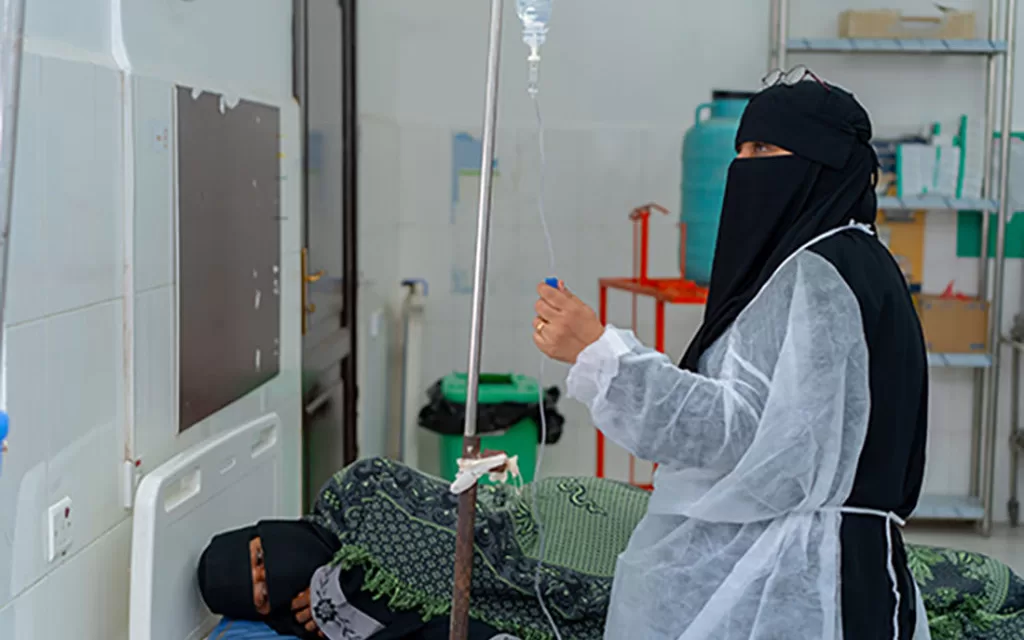
For over a decade, Kerala’s private healthcare workforce—a demographic that forms the backbone of the state’s renowned healthcare model—has lobbied for pay scales that reflect the high-stress, high-skill nature of their work. The new notification establishes a revised base pay structure that varies according to the bed capacity of the institution, ensuring that even those in smaller clinics receive a standardized living wage.
According to the government order, the minimum monthly salary for various categories of staff, including nurses, lab technicians, and administrative personnel, will see a substantial percentage increase. This move is particularly significant in a state that “exports” more nurses globally than any other Indian region; local authorities hope that better domestic pay will help retain talent and stabilize the local health infrastructure.
“This is not just about a paycheck; it is about the dignity of labor,” says Dr. Arathi Menon, a public health policy researcher (unaffiliated with the negotiations). “During the pandemic, we called these workers ‘warriors.’ This wage revision is the first concrete step toward treating them as such, acknowledging that financial security is a prerequisite for high-quality patient care.”
The Data Behind the Decision
The wage hike is the result of protracted negotiations between labor unions, hospital managements, and the state’s Minimum Wages Advisory Board. Key statistical drivers for the change include:
-
Cost of Living Adjustments: With inflation in the healthcare services sector rising, the previous wage structure (last revised significantly in 2017-2018) was deemed inadequate by labor experts.
-
Sector Growth: Data from the Kerala State Planning Board indicates that the private sector handles nearly 70% of the state’s outpatient burden, suggesting a robust industry capable of better wealth distribution.
-
Retention Rates: Recent surveys by nursing associations suggested that nearly 40% of junior nurses sought overseas employment within two years of graduation, citing low local wages as the primary driver.
The Economic Ripple Effect: Concerns for Small Hospitals
While the news has been celebrated by staff unions, the Kerala Private Hospital Association (KPHA) and other industry bodies have expressed “grave concern” regarding the immediate financial impact. The primary worry lies with “Category I” and “Category II” hospitals—facilities with fewer than 50 beds—which operate on thin margins.
Industry analysts warn that without government subsidies or a restructuring of insurance reimbursement rates, many smaller clinics may face a “sustainability crisis.”
“We support fair wages, but the math must work,” says a representative from a regional hospital collective. “In rural areas, where we cannot abruptly hike consultation fees for a price-sensitive population, an overnight 30-40% increase in the wage bill could lead to staff downsizing or, in the worst cases, the closure of essential community clinics.”
Public Health Implications: A Double-Edged Sword
From a public health perspective, the wage revision presents a complex trade-off.
The Pros:
-
Improved Quality of Care: Financial stability for nurses and technicians often leads to reduced burnout, lower turnover rates, and fewer medical errors.
-
Attracting Talent: Higher wages may encourage more students to enter paramedical fields, addressing the global shortage of healthcare workers.
The Cons:
-
Patient Out-of-Pocket Expenditure: There is a high probability that hospitals will pass these costs onto consumers. In a state where out-of-pocket health spending is already a concern, this could create barriers to access for the lower-middle class.
-
Service Consolidation: Smaller, affordable hospitals might be swallowed by larger corporate chains, potentially reducing the diversity of healthcare options for the public.
Looking Ahead: The Need for Holistic Reform
Medical ethics experts argue that wage reform cannot exist in a vacuum. For the Kerala model to remain sustainable, experts suggest that the government must now look at “supply-side” interventions. This includes streamlining the procurement of medical equipment to reduce hospital overheads and expanding the scope of the Karunya Arogya Suraksha Padhathi (KASP)—the state’s health insurance scheme—to ensure reimbursement rates reflect the new labor costs.
“We are entering a new era of healthcare economics in India,” says Dr. Menon. “The challenge for Kerala will be to prove that you can provide fair, livable wages to the people who save lives without making those life-saving services unaffordable for the common person.”
As the notification takes effect, the eyes of the nation will be on Kerala. Should this model succeed, it may serve as a blueprint for other states grappling with the delicate balance between labor rights and the financial health of the private medical sector.
Medical Disclaimer: This article is for informational purposes only and should not be considered medical advice. Always consult with qualified healthcare professionals before making any health-related decisions or changes to your treatment plan. The information presented here is based on current research and expert opinions, which may evolve as new evidence emerges.
References
- https://english.mathrubhumi.com/news/kerala/kerala-minimum-wages-private-hospital-workers-nf16sro9