 0
0
 0
0
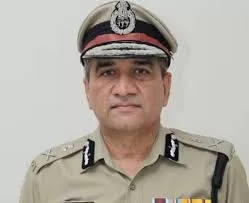
Kerala, India — In a somber turn of events, Additional Director General of Police (ADGP) Mahipal Yadav, a respected senior officer of the Kerala Police, passed away on August 27, 2025, while undergoing treatment for a brain tumour in Jaipur. Yadav’s death occurred just days before his scheduled retirement, transforming what was to be an official farewell at the Kerala Police Headquarters in Thiruvananthapuram into a session of mourning and tribute. His sudden demise not only marks the loss of a dedicated public servant but also spotlights the persistent public health challenge posed by brain tumours in India and globally.
Key Findings: The Risk and Impact of Brain Tumours
Brain tumours remain a complex and life-threatening health issue worldwide. Recent data from the International Agency for Research on Cancer (IARC) highlight that India sees more than 28,000 new brain tumour cases annually, with over 24,000 deaths reported each year—a mortality rate that underscores the seriousness of these diagnoses in the country. National estimates indicate an occurrence rate of 5 to 10 cases per 100,000 population, consistent with global averages, but the high fatality rate and frequent impact on young and middle-aged adults present ongoing concerns. According to a 2023 publication in the Indian Journal of Medical Research, brain and central nervous system tumours remain one of the leading cancer burdens for both children and adults in India.
Symptoms, Complications, and Medical Course
Brain tumours can manifest with a wide variety of symptoms, often dependent on their location and size. Common complications include persistent headaches, seizures, cognitive and emotional dysfunction, memory loss, difficulties in walking, balance, vision, language, mood changes, and weakness. Motor and cognitive impairments occur in up to 80% of cases, and neurologists note that three or more symptoms are present in a significant majority of cases by the time of diagnosis.
Treatment regimens, which may involve surgery, chemotherapy, and radiation, can further exacerbate mental and physical challenges. For example, radiation-induced cognitive dysfunction may affect between 50% and 90% of survivors within six months of therapy, making long-term rehabilitation and multidisciplinary care critical for patient outcomes.
Expert Perspectives
Dr. Manish Chhabria, Senior Consultant in Neurology at Sir H.N. Reliance Foundation Hospital, explains: “Brain tumours are challenging not only because of their late presentation but also due to the profound effects they have on physical and mental faculties. Early detection increases the chance of intervention but awareness about initial symptoms, such as persistent headache or sudden change in neurological function, remains low in India”.
Commenting on the broader impact, Dr. Anita Sharma, Oncologist at the All India Institute of Medical Sciences (AIIMS), points out: “The burden of brain tumours in India reflects rapid urbanization, changing lifestyles, and limited access to early diagnostic facilities. Increased focus on screening and public awareness is imperative if health systems are to reduce mortality”.
Context: Mahipal Yadav’s Legacy and Community Impact
Mahipal Yadav, a 1997-batch IPS officer, held several critical posts, including Inspector General of the Ernakulam Range, Managing Director of the Kerala State Beverages Corporation, Excise Commissioner, and earlier roles with the Border Security Force. Colleagues and state officials, including Chief Minister Pinarayi Vijayan, described Yadav as an exemplar of “integrity and leadership” and a “model for others to emulate.” Tributes have poured in from across Kerala’s administrative and law enforcement communities, with many highlighting Yadav’s commitment to transparency, public service, and compassionate leadership.
Public Health Implications
While brain tumours in India are not disproportionally more common than in other countries, the high case fatality in both children and adults signals an urgent need for improved early diagnosis, research, and access to advanced medical facilities. The National Health Portal of India and World Health Organization emphasize that risk factors can include age, genetic predispositions, and lifestyle factors such as obesity and environmental exposures. Early intervention remains a critical determinant of survival, yet most cases are diagnosed at advanced stages, often due to non-specific early symptoms and limited diagnostic infrastructure in rural areas.
Limitations and Conflicting Viewpoints
Despite advances in neuro-oncology and imaging, experts caution that complete recovery from malignant brain tumours remains elusive for many, and treatment may introduce its own risks and complications, including radiation-induced damage, infections, and profound psychosocial effects. Some researchers argue that data underreporting and disparities in healthcare access may understate both incidence and outcomes, especially in low-income and rural settings.
Practical Takeaways and Health Decisions
For health-conscious readers and professionals alike, this tragedy serves as a reminder of the importance of:
-
Recognizing persistent and unexplained neurological symptoms
-
Promptly seeking medical attention for persistent headaches, vision changes, or sudden neurological dysfunction
-
Supporting initiatives for brain tumour awareness and early screening
-
Advocating for improved access to neurologists and advanced diagnostic imaging, particularly in under-resourced regions
While genetic and external risk factors may not always be preventable, adopting healthy lifestyle practices—such as weight management, avoidance of environmental toxins, and routine medical care—are broadly recommended by health authorities.
Medical Disclaimer
Medical Disclaimer: This article is for informational purposes only and should not be considered medical advice. Always consult with qualified healthcare professionals before making any health-related decisions or changes to your treatment plan. The information presented here is based on current research and expert opinions, which may evolve as new evidence emerges.
References