 0
0
 0
0
In August 2025, the southern Indian states of Kerala and neighboring Tamil Nadu have heightened health alerts following a surge in cases of amoebic encephalitis caused by the rare but deadly organism Naegleria fowleri—often called the “brain-eating amoeba”. Tamil Nadu’s Health Department, responding to over 40 reported cases and several deaths in Kerala this year, has issued public advisories to avoid exposure to untreated water sources like ponds and poorly maintained swimming pools. The warnings underscore the urgency for water safety amid the monsoon season, when waterborne infections spike.
What Is Amoebic Encephalitis? Key Findings and Symptoms
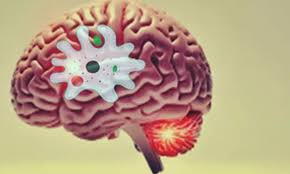
Primary Amoebic Meningoencephalitis (PAM) is a severe and most often fatal brain infection caused by Naegleria fowleri, a free-living amoeba found in warm, stagnant freshwater. Infection occurs when contaminated water enters the body through the nose—typically while swimming or bathing—allowing the amoeba to travel to the brain. The disease is not transmitted from person to person.Symptoms usually appear within 1 to 9 days of exposure and progress rapidly. Early signs include:
-
Severe headache, fever, nausea, and vomiting
-
Neck stiffness, confusion, and seizures as the disease advances
Because PAM’s initial symptoms mimic bacterial meningitis, swift diagnosis is difficult but critical.
According to a 2023 global systematic review, over 72% of cases resulted in death, underscoring the lethality of this infection.
How Many Are Affected: Statistical Context
Kerala reported its first PAM case in 2016 and saw 36 cases with 9 deaths in 2023. In 2025 alone, official counts place at least 41 documented cases, with 18 patients currently under treatment and multiple fatalities reported, including four children. The disease affects people of all ages but is most common among children and young adults following exposure to untreated water.Nationally, India has historically reported sporadic cases since 1971, with Kerala accounting for a growing share in recent years due to increased surveillance and possibly environmental factors.
Public Health Response: Advisories and Prevention Strategies
Both Kerala and Tamil Nadu have launched public campaigns focusing on:
-
Chlorination and regular cleaning of water tanks, wells, and public water bodies
-
Mandated safety compliance for swimming pools, water parks, and hotels
-
Installation of warning boards near suspected contaminated sources
-
Encouraging personal precautions such as using nose clips or holding the nose while swimming, keeping the head above water, and avoiding stirring up mud in lakes or ponds
-
Immediate medical attention for symptoms following freshwater exposure
Kerala’s Health Minister Veena George announced statewide chlorination drives and urged all local bodies to participate. Tamil Nadu Health Minister Ma Subramanian reassured the public, emphasizing that cases are not contagious and the state is monitoring the situation closely.
Expert Perspectives and Treatment Advances
Experts stress that PAM’s high death rate—historically near 98%—is due to its rapid progression and the challenge of prompt diagnosis and treatment. However, Kerala’s advanced molecular diagnostic facilities have allowed faster identification and intervention, reportedly bringing down the in-state mortality rate to 23%, according to the Kerala State Public Health Laboratory. This progress highlights the impact of early detection and dedicated public health infrastructure.
Dr. R. Nair, an infectious disease specialist at Kozhikode Medical College (not involved in specific cases), states:
“Awareness and timely medical attention can save lives. Rapid onset of symptoms should prompt immediate diagnosis, especially following suspected freshwater exposure.”
Broader Context: Why Cases Are Rising
The increasing number of cases is attributed to climate patterns—warmer temperatures, stagnant water during monsoon, and greater recreational freshwater use as urbanization expands. Enhanced medical reporting and diagnostic capabilities may also result in more cases being formally recognized.
Practical Guidance for the Public
-
Avoid swimming, bathing, or washing in untreated or stagnant freshwater sources, especially during the monsoon
-
Ensure that all home water storage and public pools are properly chlorinated and maintained
-
Children and immunocompromised individuals should take extra precautions around natural water bodies
-
Do not let water enter the nose during activities—using nose plugs or holding the nose is advisable
-
Seek immediate medical care for sudden headaches, fever, or confusion following water exposure
Limitations and Counterarguments
While the infection remains exceedingly rare compared to other waterborne diseases, its near-fatal prognosis justifies local public health vigilance. The increase in case detection may partly reflect improved awareness and diagnostic capability. There is still no universally effective treatment, with existing therapies largely experimental and outcomes often poor. Some experts argue more research is needed into environmental controls and early intervention.
Implications for Health Policy and Public Awareness
Continued government support for water sanitation and expanded rapid testing is vital. Public education about water safety, especially around festivals and holidays, will help reduce unnecessary illness and save lives. Long-term, climate adaptation and urban water infrastructure improvements may be necessary to address the root causes.
Medical Disclaimer
This article is for informational purposes only and should not be considered medical advice. Always consult with qualified healthcare professionals before making any health-related decisions or changes to your treatment plan. The information presented here is based on current research and expert opinions, which may evolve as new evidence emerges.
References