 0
0
 0
0
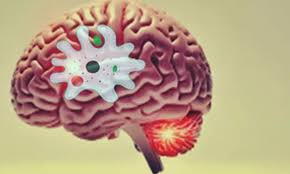
Experts attribute the recent rise in brain-eating amoeba infections in Kerala to climate change, increasing water temperatures, and urban water stagnation, according to health authorities and specialists. Known medically as primary amoebic meningoencephalitis (PAM), this rare but deadly brain infection is caused by the free-living amoeba Naegleria fowleri, which lives in untreated freshwater environments and enters the body through the nose, attacking the central nervous system. Kerala has reported 41 cases this year, highlighting an urgent public health concern .
Key Findings and Context
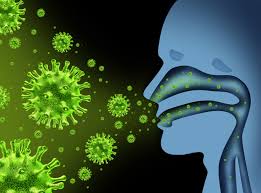
Naegleria fowleri is present naturally in lakes, rivers, ponds, and even biofilms in water pipes and tanks. It infects individuals when contaminated water enters the nasal cavity, allowing the amoeba access to the brain through the thin bone separating these regions. This infection does not transmit from person to person, nor does it occur through drinking contaminated water .
Experts link the rising number of cases to ecological changes including climate shifts that raise water temperatures and promote water stagnation, which enhance the amoeba’s ability to thrive and spread. Urban water stagnation, in particular, creates favorable conditions for the organism, increasing exposure risk during activities like swimming in untreated waters .
Dr. Rajeev Jayadevan, Chairman of the Scientific Committee, IMA Cochin, explains the unique nature of PAM compared to other waterborne diseases such as typhoid or hepatitis A, which spread through bacterial or viral contamination. He stresses prevention through minimizing water entry into the nose, especially during freshwater exposure .
Dr. Anshu Rohatgi, a neurologist, notes additional risks related to certain traditional practices such as the Ayurvedic “Neti” technique for nasal cleansing when using untreated water. Such practices could inadvertently introduce the amoeba into the nasal passages .
Public Health Implications and Expert Commentary
With no feasible way to eradicate Naegleria fowleri from natural environments due to its ability to form resistant cyst forms, prevention focuses on public education and vigilance. Kerala’s health authorities have initiated a mass awareness campaign urging residents to maintain clean water sources and practice safe water contact measures .
Early symptom recognition is critical for improving outcomes, as PAM progresses rapidly and is often fatal. Symptoms start with common signs like fever, headache, and vomiting but advance quickly to severe neurological damage. Timely diagnosis and treatment offer the best chance for survival, though effective therapies remain limited .
Dr. Jayadevan underscores the necessity for healthcare providers and the public to be alert to these symptoms, given the infection’s rarity and severity. Increasing familiarity can expedite diagnosis, potentially reducing mortality .
Limitations and Balanced Perspective
While the rise in cases is concerning, PAM remains an extremely rare infection despite widespread environmental presence of the amoeba. This rarity means that widespread panic or undue fear is unwarranted. Further, research into effective treatments is ongoing, and current knowledge stresses prevention primarily through safe water behaviors rather than complete environmental control, which is unattainable .
Practical Advice for Readers
To reduce risk, avoid swimming or diving in stagnant or untreated freshwaters, especially in warm climates. When using water for nasal cleansing, ensure it is sterile or properly treated. If experiencing symptoms suggestive of brain infection following such exposures, seek immediate medical evaluation .
References
- https://indianewengland.com/experts-link-climate-water-stagnation-to-rise-in-brain-eating-amoeba-infections-in-kerala/
Medical Disclaimer: This article is for informational purposes only and should not be considered medical advice. Always consult with qualified healthcare professionals before making any health-related decisions or changes to your treatment plan. The information presented here is based on current research and expert opinions, which may evolve as new evidence emerges.