 0
0
 0
0
In a significant breakthrough for public health, researchers at the Institute of Advanced Virology (IAV) in Kerala have developed a low-cost, safe, and scalable rabies antibody test to quickly determine immunity levels against rabies. This new pseudovirus-based assay enables a faster and safer measurement of protective antibody titers compared to traditional methods, promising to enhance rabies surveillance and vaccination efficacy verification in humans and animals. The innovative test addresses an urgent need in rabies-endemic regions like Kerala, which has recently faced troubling rabies fatalities despite vaccination efforts.
Key Developments and Technical Advances
Rabies vaccinations work by inducing neutralizing antibodies against the rabies virus glycoprotein G, which blocks virus entry into cells. Measuring these antibodies is critical for confirming immunity, especially for high-risk groups such as veterinarians, animal handlers, forest workers, and pet owners. Historically, two gold-standard tests—Rapid Fluorescent Focus Inhibition Test (RFFIT) and Fluorescent Antibody Virus Neutralization (FAVN)—have been used globally. However, both require live rabies virus handling under high-biosafety conditions and are costly, limiting widespread application.
The IAV team developed a pseudovirus assay using recombinant Vesicular Stomatitis Virus (rVSV) engineered to express rabies glycoprotein. This pseudovirus mimics infectious rabies virus but cannot cause disease, making it much safer for testing. The assay is adaptable for high-throughput formats with rapid turnaround times (less than 24 hours), minimal biosafety requirements, and significantly lower costs (available publicly for approximately ₹500 per test).
Expert Insights and Context
Dr. E. Sreekumar, Director of IAV, emphasized the assay’s public health utility: “Our pseudovirus-based test is simpler and more affordable than existing methods, making it suitable for broad use in rabies-endemic settings for both human and animal surveillance. This will help confirm whether individuals or pets have adequate immunity after vaccination, aiding timely booster decisions and improving rabies control.” The test extension now includes evaluation for animal rabies vaccines, filling a critical gap since veterinary vaccine efficacy can be compromised by cold chain failures.
Kerala has seen worrying rabies fatalities involving vaccinated individuals, including children, prompting public concern and an expert committee review. Investigations revealed that some deaths were linked to bites in highly innervated regions such as the face and neck, leading to rapid viral progression despite antibody presence. Additionally, all tested vaccine batches met quality standards, underscoring the need to verify actual immune protection via antibody testing. The new assay offers a scientific method to confirm protective immunity post-vaccination, potentially avoiding unnecessary full vaccine courses and associated risks like hyperimmune reactions.
Public Health Implications and Practical Guidance
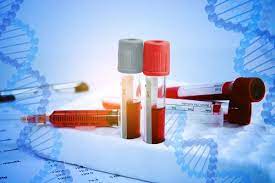
This assay’s availability supports more personalized rabies post-exposure management. For example, as in the case of a patient named Smitha (name changed) from Attingal, blood testing showed an antibody titer of 16 IU/mL—well above the World Health Organization (WHO) protective threshold of 0.5 IU/mL—indicating that a full vaccination course after a subsequent bite was not needed, only a booster. Such testing can reduce patient anxiety, avoid unnecessary vaccination, and optimize vaccine use. For pet owners, the test can verify if a vaccinated animal truly has protective immunity, reinforcing bite management decisions and public confidence.
It further facilitates rabies elimination goals by enabling large-scale, affordable monitoring of immunity statuses in both humans and animals—key to interrupting transmission cycles since rabies control hinges on confirmed vaccine efficacy and coverage. The test’s ease and safety may also promote wider community testing initiatives and improve epidemiological surveillance.
Limitations and Balanced Perspectives
While promising, the assay complements but does not replace clinical evaluation and other preventive measures including wound care and timely vaccination. Rare vaccine failures due to inoculation site or individual immune variations may still occur, highlighting the importance of comprehensive post-exposure prophylaxis protocols. Some experts note that further long-term field data are needed to fully establish the assay’s operational impact across diverse settings. Nonetheless, the test represents a meaningful step towards scientifically guided rabies immunity assessments.
Medical Disclaimer: This article is for informational purposes only and should not be considered medical advice. Always consult with qualified healthcare professionals before making any health-related decisions or changes to your treatment plan. The information presented here is based on current research and expert opinions, which may evolve as new evidence emerges.
References