 0
0
 0
0
ALAPPUZHA/KOTTAYAM – Health authorities and animal husbandry departments in Kerala are back on the front lines as a fresh outbreak of Avian Influenza (H5N1) has been confirmed in the Alappuzha and Kottayam districts. Following the sudden death of thousands of domestic ducks, laboratory results from the National Institute of High-Security Animal Diseases (NIHSAD) in Bhopal confirmed the presence of the highly pathogenic virus, triggering immediate culling operations and a heightened state of public health surveillance across the region.
The outbreak, which surfaced earlier this week, has prompted the Kerala state government to implement a localized lockdown on the transport of poultry and related products. While the primary impact remains within the agricultural sector, the incident has reignited concerns regarding the potential for zoonotic transmission—the jump of the virus from animals to humans—and the broader implications for food security and public safety in southern India.
The Scale of the Outbreak
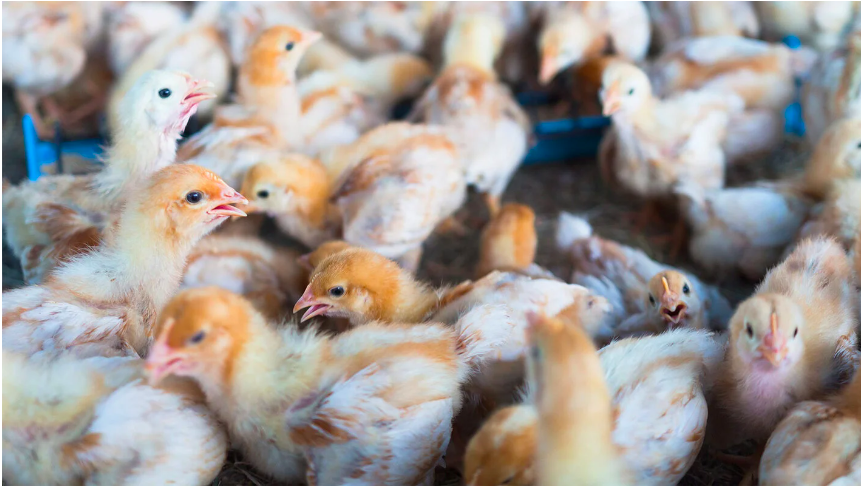
The crisis began in the Kuttanad region, often referred to as the “rice bowl” of Kerala, where duck farming is a primary livelihood. In Alappuzha’s Edathua and Cheruthana panchayats, farmers reported a rapid increase in bird mortality, with some losing over half their flocks in a matter of days.
According to data from the Animal Husbandry Department (AHD), authorities have ordered the culling of over 20,000 birds within a one-kilometer radius of the epicenters. This preventive measure is a standard international protocol designed to “break the chain” of transmission.
“The speed of the spread in these specific clusters was significant,” said a senior official from the AHD. “By the time the Bhopal lab confirmed H5N1, we had already mobilized rapid response teams (RRTs) to begin the scientific disposal of carcasses and the disinfection of affected farms.”
Understanding H5N1: The Science of the “Bird Flu”
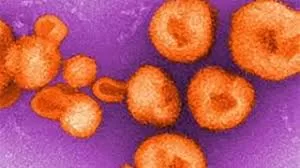
Avian Influenza, commonly known as bird flu, is caused by type A influenza viruses. The H5N1 strain is categorized as “highly pathogenic” because of its high mortality rate in birds. While the virus primarily affects poultry and wild birds, its ability to mutate and occasionally infect mammals, including humans, makes it a permanent fixture on the World Health Organization’s (WHO) watch list.
Human infection usually occurs through direct contact with infected birds—either live or dead—or through environments heavily contaminated by their droppings and secretions. According to the Centers for Disease Control and Prevention (CDC), while human-to-human transmission remains rare, the high fatality rate in documented human cases (approximately 50% globally) necessitates extreme caution.
Expert Commentary: Risk and Prevention
Despite the severity of the outbreak in the poultry population, medical experts urge the public to remain calm but vigilant.
“The current risk to the general public remains low, but we cannot afford complacency,” says Dr. Arunjit Prasad, an infectious disease specialist (not involved in the current culling operations). “The key in Kerala is the ‘One Health’ approach—where animal health and human health departments work in tandem. Because the region is a hub for migratory birds, these seasonal spikes are a recurring challenge.”
Dr. Prasad emphasizes that there is no evidence to suggest the virus can be contracted through properly cooked poultry. “Heat effectively kills the H5N1 virus. If meat is cooked to an internal temperature of 74°C (165°F), it is safe for consumption. However, the danger lies in the handling of raw meat or proximity to live, infected markets.”
Public Health Implications and Restrictions
In response to the outbreak, District Collectors in Alappuzha and Kottayam have issued several mandates:
-
Transport Ban: A temporary ban on the sale and transport of poultry, eggs, and meat in the affected areas.
-
Surveillance Zones: A 10-kilometer radius around the epicenters has been declared a surveillance zone, where health workers are conducting door-to-door surveys to monitor for flu-like symptoms in residents.
-
Protective Gear: RRT members and farmworkers are required to wear Personal Protective Equipment (PPE) and are being administered prophylactic antiviral medications like Oseltamivir (Tamiflu).
The economic impact on the farming community is expected to be profound. Duck farming is integral to the cultural and economic fabric of the Kuttanad region. While the state government has promised compensation for culled birds, farmers argue that the loss of breeding stock and the stigma surrounding “bird flu districts” can lead to long-term financial instability.
Global Context and Limitations
The Kerala outbreak does not occur in a vacuum. Globally, 2024 has seen an unusual expansion of H5N1, with the virus being detected in dairy cows in the United States and various marine mammals in South America.
One limitation of current containment efforts is the role of migratory birds. Kerala’s wetlands are a major stopover on the Central Asian Flyway. Even with rigorous culling of domestic flocks, the virus can be reintroduced by wild birds that carry the pathogen without showing symptoms. This makes “total eradication” nearly impossible, shifting the focus instead to “management and early detection.”
Recommendations for the Public
Health authorities recommend the following precautions for residents and travelers in the region:
-
Avoid Direct Contact: Stay away from poultry farms and avoid contact with wild birds or birds that appear sick or dead.
-
Hygiene Practices: Frequent handwashing with soap and water, especially after handling raw poultry or eggs.
-
Report Mortality: Notify local veterinary or health officials immediately if you notice unusual deaths among domestic or wild birds.
-
Respiratory Etiquette: If you develop a high fever, cough, or sore throat after being in contact with birds, seek medical attention immediately and disclose your exposure history.
Looking Ahead
As culling operations conclude, the focus will shift to “sanitization and fallowing,” where farms must remain empty for a specific period to ensure the virus has died off in the environment. The Kerala Health Department has stated that surveillance will remain “high” for the next 30 to 60 days.
While the current outbreak is a significant blow to the local economy and a reminder of our vulnerability to zoonotic diseases, the swift response of the state’s healthcare infrastructure reflects years of experience in managing similar crises. For now, the priority remains containing the virus at its source and preventing a cross-species leap that could escalate a local agricultural crisis into a wider public health emergency.
Medical Disclaimer: This article is for informational purposes only and should not be considered medical advice. Always consult with qualified healthcare professionals before making any health-related decisions or changes to your treatment plan. The information presented here is based on current research and expert opinions, which may evolve as new evidence emerges.
References
- https://tennews.in/fresh-avian-influenza-outbreak-in-kerala-alappuzha-kottayam-on-high-alert/