 0
0
 0
0
Malappuram, Kerala – July 11, 2025: Kerala is facing a renewed public health challenge with confirmed cases of the Nipah virus in its northern districts. A central team from the Union Ministry of Health and Family Welfare arrived in the state on Wednesday, visiting affected areas in Malappuram and Palakkad to coordinate preventive measures and support the state’s response efforts.
The National Joint Outbreak Response Team, led by Dr. Pranay Verma of the National Center for Disease Control (NCDC), includes experts from the ICMR-National Institute of Virology, wildlife specialists, veterinary consultants, and animal welfare professionals. The team’s immediate focus is to study the outbreak, assist local authorities, and implement containment strategies.
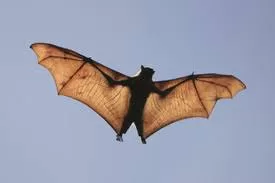
In addition, an eight-member team from the National Institute of Virology, Pune, led by Dr. E Dilip Patil, is set to conduct bat surveillance in the affected districts, as fruit bats are known natural reservoirs of the Nipah virus. This team is currently stationed in Palakkad and will expand monitoring operations in the coming days.
Current Situation and Public Health Measures
-
One patient from Malappuram has succumbed to the infection, while another from Palakkad remains under treatment at the government medical college in Kozhikode.
-
State Health Minister Veena George reported that 498 individuals are currently on the Nipah contact list: 203 in Malappuram, 116 in Kozhikode, 177 in Palakkad, and two in Ernakulam.
-
The test result for a 78-year-old woman, who had contact with a deceased Nipah patient, has returned negative, providing some relief to health officials.
During a high-level meeting, the Health Minister directed that preventive measures according to the Nipah calendar be strictly followed until September. These include rigorous contact tracing, isolation protocols, and public awareness campaigns.
The Nipah virus is a zoonotic pathogen, primarily transmitted from fruit bats to humans, and is associated with a high mortality rate ranging from 40% to 75%. Kerala has previously reported outbreaks in 2018, 2021, and 2023, with fruit bats identified as the main source of infection in the region. The absence of a vaccine or specific treatment underscores the importance of early detection, isolation, and robust public health measures.
Community Response and Restrictions
Authorities have implemented strict containment measures in affected zones, including early closure of shops, suspension of public gatherings, and mandatory mask-wearing. Educational institutions and public venues in containment zones remain closed to minimize exposure risks.
:
This article is based on the latest available information as of July 11, 2025. The situation is evolving, and public health recommendations may change as new data emerges. For the most current guidance, follow updates from Kerala’s health authorities and the Ministry of Health and Family Welfare.