 0
0
 0
0
Kerala, India – In a troubling turn of events, Kerala’s health authorities have reported the fifth death in a month linked to primary amoebic meningoencephalitis (PAM), a rare but devastating brain infection caused by the so-called “brain-eating amoeba,” Naegleria fowleri. As of September 2025, the state has confirmed 42 cases this year, with fatalities spanning infants to older adults, particularly in the districts of Kozhikode, Malappuram, and Wayanad. The Kerala Health Department has responded by invoking the State Public Health Act and launching aggressive water safety campaigns in an effort to stem the outbreak.
What’s Happening in Kerala?
Over the past month, a 56-year-old woman from Malappuram became the most recent casualty of PAM, succumbing after days of intensive care at Kozhikode Medical College Hospital. Earlier, deaths included a three-month-old infant and a nine-year-old girl—tragic reminders of the infection’s indiscriminate lethality. This crisis has prompted the Health Department to initiate a statewide water purification drive and impose bans on swimming in untreated or stagnant water sources, aiming to prevent further infections.
Understanding Primary Amoebic Meningoencephalitis
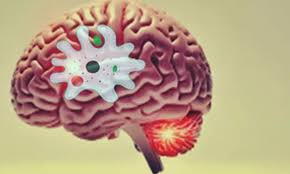
PAM is a rare and almost always fatal brain infection caused by Naegleria fowleri, a free-living amoeba commonly found in warm freshwater lakes, rivers, ponds, and poorly chlorinated pools. The amoeba typically enters the body through the nose—during swimming, bathing, or nasal rinsing—and travels swiftly to the brain. Once there, it induces acute inflammation, leading to rapid onset of symptoms, including fever, severe headache, vomiting, and confusion, often culminating in death within days.
Key statistics:
-
Global mortality rate for PAM exceeds 95–98%
-
India has historically recorded few cases (about 20 until 2023), but Kerala alone saw 42 cases and five deaths so far in 2025, up from 36 cases in 2024.
-
Children and immunocompetent young adults are at highest risk, often due to exposure to contaminated water sources.
Expert Insights
“Early diagnosis is crucial, but PAM is notoriously difficult to detect because its initial symptoms mimic common infections like bacterial meningitis,” says Dr. K.S. Bhaskaran, infectious disease specialist at Kozhikode Medical College (not involved in the recent cases). “Given the rapid progression—from fever to coma within 24–72 hours—there’s very little time for effective intervention. Prevention is paramount, especially with nearly universal fatality once symptoms develop.”
Dr. Shreya Ajith, epidemiologist at Trivandrum General Hospital, adds, “Every detected case should remind communities to avoid swimming in untreated freshwater, especially during monsoon when contamination risk rises. Routine cleaning and chlorination of wells and tanks are essential public health measures”.
Government Response and Public Health Measures
Kerala’s response includes enforcing the Public Health Act, rallying local governments and public health bodies to:
-
Launch the “Water is Life” campaign, with mass chlorination of wells, tanks, and other community water sources.
-
Implement swimming bans in stagnant water bodies, especially in outbreak districts.
-
Run awareness programs in schools and public forums, teaching residents the risks associated with contaminated water.
-
Issue advisories on recognizing PAM symptoms—fever, severe headache, nausea, vomiting, stiff neck, hallucinations, and rapid neurological decline.
Background and Statistical Context
While PAM has been recognized worldwide since 1965, outbreaks are rare and sporadic. Southern states in the U.S. have faced similar scares in summer months, and cases have emerged in Pakistan, China, Japan, and Latin America, but never at the scale Kerala is now witnessing.
India’s first confirmed PAM case was in Kolkata in 1971, with isolated reports in subsequent decades. Kerala’s first fatality occurred in Alappuzha in 2016, with most cases previously misdiagnosed or under-reported due to lack of awareness and effective diagnostic tools. Rising temperatures and heavy rainfall create a suitable environment for the amoeba, and use of contaminated water in traditional bathing or nasal cleansing rituals increases risk.
Limitations and Counterarguments
Despite alarming headlines, experts caution that PAM remains extraordinarily rare. Globally, fewer than 500 cases have been documented, with India’s numbers rising but still low compared to other waterborne illnesses. Notably, Naegleria fowleri does not spread from person to person, so there is no community transmission. The surge in Kerala may be due to improved reporting and awareness, not necessarily true incidence escalation.
Treatment options, such as miltefosine, have shown success in isolated cases, but no reliable cure exists. All reported survivors have received aggressive, early treatment—a rare outcome given the infection’s rapid progression.
Practical Implications for Kerala and Beyond
For residents, experts and authorities urge:
-
Avoid swimming or bathing in untreated freshwater, especially in the current climate.
-
Use only sterile, chlorinated water for nasal irrigation, rituals, or neti pot cleansing.
-
Clean and chlorinate household water tanks and wells regularly, per government guidelines.
-
Seek immediate medical attention for sudden high fever or severe neurological symptoms after water exposure; early diagnosis may improve outcome.
Diverse Perspectives
Concerns have emerged about panic and stigma; health officials emphasize information sharing over sensationalism. Experts stress the need for accurate diagnosis and reporting systems, expanded access to PCR testing, and greater community engagement to address climate-related risk factors and water quality in India.
Conclusion
Kerala’s PAM crisis represents both a unique medical emergency and a call for sustained vigilance on water safety, environmental cleanliness, and public health education. The tragedy of lives lost to a microscopic pathogen underscores the broader lesson: clean water is not just a resource—it’s a safeguard for the future.
Medical Disclaimer
Medical Disclaimer: This article is for informational purposes only and should not be considered medical advice. Always consult with qualified healthcare professionals before making any health-related decisions or changes to your treatment plan. The information presented here is based on current research and expert opinions, which may evolve as new evidence emerges.
References