 0
0
 0
0
Kerala is facing an urgent public health challenge due to a recent increase in cases of a rare but often fatal brain infection known as amoebic meningoencephalitis, caused by the Naegleria fowleri amoeba. In response, the state government’s acclaimed Haritha Keralam Mission has initiated a comprehensive statewide campaign named “Water is Life,” aiming to prevent waterborne diseases linked to contaminated freshwater, especially amoebic encephalitis.
Amoebic meningoencephalitis, often called “brain-eating amoeba” infection, occurs when the Naegleria fowleri amoeba enters the body through the nose, typically during swimming or bathing in warm, stagnant freshwater such as ponds, lakes, or unchlorinated wells. Once in the brain, it causes rapid inflammation leading to brain swelling, coma, and death in the majority of cases—WHO data indicates a global fatality rate of approximately 97%.
Key Recent Developments and Government Response
Kerala has reported multiple recent cases with tragic outcomes, including children and infants, sparking heightened public concern. Notably, patients admitted to hospitals in Kozhikode, including an 11-year-old girl in critical condition and a 3-month-old infant on ventilator support, illustrate the disease’s devastating toll. The state government convened high-level meetings led by Chief Minister Pinarayi Vijayan and health officials to coordinate urgent responses emphasizing prevention and chlorination of water bodies.
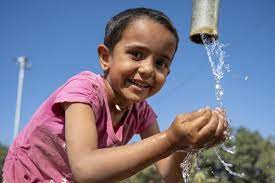
The Haritha Keralam Mission’s “Water is Life” campaign is pioneering the scientific chlorination of all public and private wells statewide for the first time to eradicate the microorganism. Residents are also advised to clean their home water storage tanks regularly to prevent contamination, addressing a common transmission route.
Expert Insights on Risks, Symptoms, and Prevention
Medical experts stress that exposure to contaminated water is the primary risk, especially among children and young adults who frequent untreated freshwater bodies. The amoeba proliferates in water temperatures between 25°C and 45°C, conditions prevalent during the hot season in Kerala and other tropical regions.
Symptoms typically develop rapidly after exposure and start similarly to bacterial meningitis with high fever, severe headache, nausea, stiff neck, and confusion. Rapid progression to seizures, loss of balance, hallucinations, coma, and death is common unless immediate medical intervention is provided. Early recognition is crucial but challenging due to symptom overlap with more common infections.
Dr. E. Sreekumar, director of a leading virology institute, observed, “Awareness and early diagnosis are vital. Prevention through water safety measures remains the best defense against this deadly infection”.
Context and Public Health Implications
While amoebic meningoencephalitis remains rare, Kerala’s rising case numbers in recent years—from sporadic occurrences to 36 cases in 2024 with 9 deaths, and multiple cases so far in 2025—highlight the need for robust public health interventions. Kerala’s improved treatment protocols have notably reduced mortality locally to around 25%, far below the global average, thanks to rapid diagnostics and specialized care.
The campaign dovetails with World Health Organization (WHO) recommendations to enhance water sanitation and hygiene, emphasizing the elimination of microbial contamination in drinking and recreational water. Authorities have issued advisories urging the public to avoid swimming in untreated water bodies, use boiled or chlorinated water for nasal rinsing, and immediately seek medical care if symptoms develop following water exposure.
Limitations and Challenges
Despite state efforts, challenges include ensuring complete and regular chlorination of diverse water sources in rural and urban settings, combating misinformation, and enhancing public understanding of this uncommon disease. Early diagnosis remains difficult clinically due to symptom similarity with other infections, and no fully effective treatment exists once advanced infection occurs, underscoring prevention as paramount.
What This Means for the Public
Kerala families should adopt the following precautions as practical daily measures:
-
Avoid swimming or bathing in stagnant or warm freshwater bodies, especially during the hot and monsoon seasons.
-
Use only boiled or chemically disinfected water for nasal cleansing or irrigation.
-
Regularly clean and maintain home water tanks and wells as part of routine hygiene.
-
Follow government advisories and participate in community chlorination drives.
-
Seek immediate medical attention if symptoms such as high fever, severe headache, and neurological changes appear after water exposure.
Medical Disclaimer: This article is for informational purposes only and should not be considered medical advice. Always consult with qualified healthcare professionals before making any health-related decisions or changes to your treatment plan. The information presented here is based on current research and expert opinions, which may evolve as new evidence emerges.
References