 0
0
 0
0
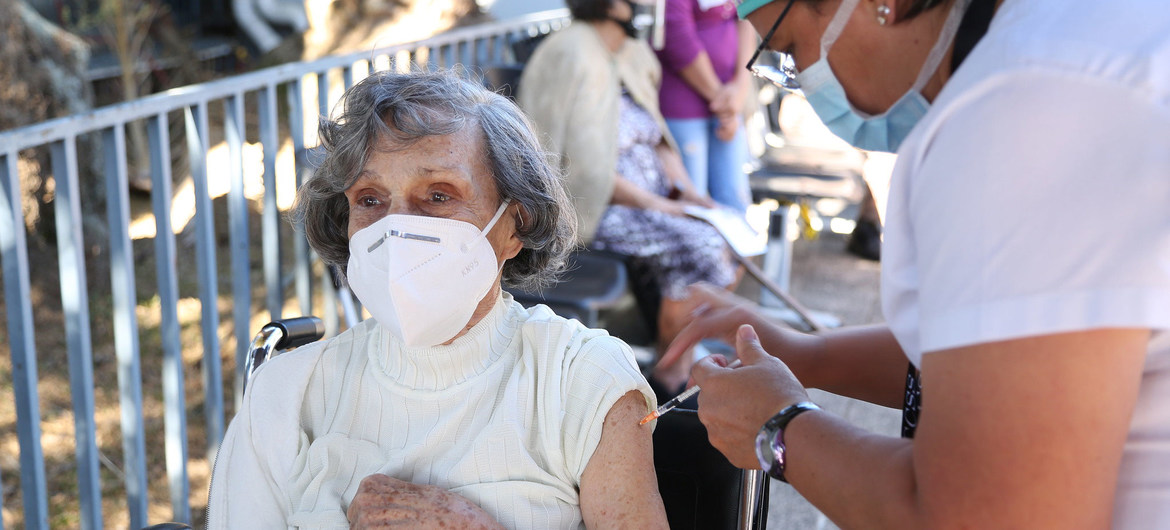
In a significant move to strengthen healthcare delivery for vulnerable populations, the World Bank has approved a USD 280 million loan program aimed at improving health outcomes for approximately 11 million elderly and medically vulnerable individuals in Kerala, India. Announced on October 24, 2025, this initiative, named the Kerala Health System Improvement Program, promises to expand access to health coverage, modernize digital health infrastructure, and build resilience against climate-related health challenges in the southern Indian state.
Key Program Objectives and Features
The program targets comprehensive healthcare enhancements tailored to the needs of the elderly and those living with chronic conditions such as hypertension and diabetes. A central objective is to treat and support over 90% of patients registered for these lifestyle diseases through sophisticated electronic tracking mechanisms. These digital tools will enable personalized, real-time monitoring and management of chronic illnesses to improve treatment adherence and health outcomes.
To address mobility challenges among bedbound, homebound, and vulnerable elderly populations, the program introduces a home-based care model. This approach aims to deliver comprehensive health services directly to patients’ homes, reducing hospitalizations and improving quality of life.
Enhancing preventive care is another priority. The program aims for a 40% increase in patients achieving controlled hypertension and a 60% increase in cervical and breast cancer screenings among women, pivotal steps toward preventing avoidable deaths from these conditions.
Another innovative focus is on strengthening Kerala’s health system resilience against climate shocks like heatwaves and floods. This involves implementing climate-smart strategies in primary health facilities across districts such as Wayanad, Kozhikode, Kasaragod, Palakkad, and Alappuzha, including energy-efficient infrastructure and disaster preparedness.
Digital Health and Local Engagement
The World Bank program also prioritizes expanding Kerala’s eHealth services, integrating data platforms, and bolstering cybersecurity to protect sensitive health information. These upgrades are designed not only to improve healthcare quality but also to create a health system better prepared for future emergencies.
Implementation will actively engage local government bodies, including gram panchayats and municipal corporations, to ensure community-driven, culturally appropriate interventions. The program also plans to standardize antibiotic use protocols and enhance laboratory systems to rapidly respond to zoonotic disease outbreaks, a crucial measure in preventing potential epidemics.
Expert Perspectives and Public Health Implications
Paul Procee, Acting Country Director for India at the World Bank, emphasized the program’s potential impact: “Good health empowers people, creates jobs, and drives economic growth. Strong, resilient health systems also help economies prevent and better respond to health emergencies and pandemics. In Kerala, women have one of the highest educational attainments in the country and can contribute more to the state’s economic growth with optimum health. This program will significantly advance efforts to reduce preventable deaths.”
Kerala’s health indicators have been among the country’s best for two decades, with low neonatal, infant, under-five, and maternal mortality rates. However, aging populations and lifestyle diseases present new challenges. This program’s multi-faceted approach addresses these evolving health needs while factoring in environmental sustainability and technological advancements.
Potential Limitations and Balanced Considerations
While ambitious, the program’s success will depend on effective local implementation, sustained government support, and community acceptance. Challenges might include digital literacy gaps among elderly populations, infrastructure constraints in rural areas, and the need for continuous training of healthcare workers. The integration of technology in healthcare delivery also raises concerns about data privacy and cybersecurity that require ongoing vigilance.
Additionally, while increasing screening rates for cancers is crucial, coverage must be matched by timely treatment availability and follow-up care to translate into mortality reductions. The program’s impact will need thorough monitoring through robust evaluation frameworks.
Conclusion
The World Bank’s USD 280 million investment catalyzes a promising advancement for Kerala’s health system, combining technological modernization, preventive care, elderly support, and climate resilience. If successfully implemented, it could serve as a replicable model for other regions addressing the dual challenges of demographic shifts and environmental health risks. Kerala’s healthcare transformation under this program offers hope for improved quality and equity in health outcomes for millions.
Medical Disclaimer: This article is for informational purposes only and should not be considered medical advice. Always consult with qualified healthcare professionals before making any health-related decisions or changes to your treatment plan. The information presented here is based on current research and expert opinions, which may evolve as new evidence emerges.
References
-
World Bank. (2025, October 24). World Bank approves $280 million program for Kerala health sector. Economic Times HealthWorld. https://health.economictimes.indiatimes.com/news/industry/world-bank-approves-280-million-program-for-kerala-health-sector/124783394