 0
0
 0
0
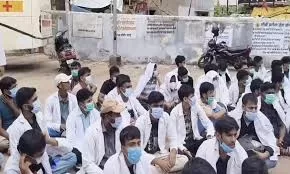
On October 28, 2025, government doctors across Kerala’s medical colleges enacted a boycott of outpatient (OP) services, marking a significant escalation in their months-long protest against unresolved grievances with the state government. The Kerala Government Medical College Teachers’ Association (KGMCTA), representing nearly all faculty in the state’s government medical colleges, has warned that this action could lead to an indefinite strike if their core demands remain unmet.
What Is Happening and Why?
The KGMCTA, which began protesting on July 1, 2025, has cited several persistent issues:
-
Delayed pay revisions and pending arrears, undermining morale among new medical faculty.
-
Irregularities in salary for entry-level assistant professors.
-
Insufficient recruitment of doctors relative to patient load, contributing to workforce shortages and overburdened staff.
-
Continued reliance on temporary transfers instead of permanent appointments, which the association claims is primarily an administrative workaround to satisfy regulatory mandates from the National Medical Commission (NMC) rather than a genuine solution.
-
Urgent need for infrastructure development and improved basic facilities in medical colleges.
KGMCTA leaders—including Dr. Rosnara Begum T (state president) and Dr. Aravind C.S. (general secretary)—have consistently communicated that years of petitions and previous strike actions have not led to lasting changes. “The organization has been compelled to boycott OP departments as years of protests and petitions have not yielded results,” stated Dr. Aravind C.S.
Key Developments and Expert Views
-
On October 28 and subsequent dates (November 5, 13, 21, and 29), medical college doctors pledged to boycott OP clinics and related teaching sessions, while assuring the public that emergency services—including casualty wards, labor rooms, and intensive care units—would remain functional.
-
Despite several instances of “Black Day” observances and relay strikes, the Kerala government has not committed to a clear timeline or public negotiation for resolving the issues.
-
KGMCTA emphasized that these disruptions are a last resort, expressing regret for patient inconvenience and urging the public to avoid OP department visits on strike days.
Statistical and Systemic Context
Kerala’s government medical system is one of the largest in India, with 6,169 government doctors counted in 2022. However, as of May 2023, the state faced a shortfall of more than 1,160 doctors, 978 nurses, and 716 paramedics, according to the Comptroller and Auditor General (CAG). This shortage strains public hospitals, especially as the state remains a major destination for healthcare due to its reputation for quality and accessibility.
Notably, KGMCTA’s demands for more proportional staffing recognize Kerala’s growing patient inflow and the need for regular, fair recruitment rather than stop-gap solutions. Experts not involved with the strike, including hospital administrators and health economists, have repeatedly underscored the importance of sustainable workplace improvements for physician retention and patient care outcomes.
Implications for Public Health and Daily Life
-
Disruption of OP services impacts both chronic disease management and routine care for thousands of patients, particularly those reliant on government hospitals for affordable treatment.
-
Extended strikes may exacerbate backlogs in non-urgent consultations, laboratory testing, and follow-up care, especially for vulnerable groups such as the elderly and low-income families.
-
Delays in faculty appointment and pay regularization could further challenge the training and retention of young doctors, impacting the broader health system’s ability to manage Kerala’s high patient volumes.
Response and Counterpoints
The Kerala government has so far refrained from entering formal negotiations or offering new policy measures in response to KGMCTA’s boycott announcements. Some state officials argue that resource constraints and administrative reforms necessitate the current pace of recruitment and financial decision-making. Critics, however, point out that insufficient dialogue and reliance on temporary measure is unsustainable and potentially dangerous for long-term medical education and care standards.
Broader Systemic Issues
Kerala’s health system has long been lauded for its efficiency and outcomes, offering a vital lifeline to millions through its robust public sector. Yet, systemic issues such as underfunding, bureaucratic delays, and slow implementation of policy reforms continue to challenge this reputation. Industry observers warn that without addressing the root causes behind recurring strikes—like inequitable wage structures and inadequate staffing—such disputes could become more frequent and disruptive.
What Should Patients and Readers Do?
Patients scheduled for outpatient services at government medical colleges in Kerala are encouraged to check with individual hospitals about appointment status and possible rescheduling. Emergency and critical care services remain operational, and junior or postgraduate doctors continue to provide coverage during the strikes. For those relying on regular OP clinic visits, considering alternatives such as private care or telemedicine may reduce disruption.
Potential Limitations and Counterarguments
While KGMCTA asserts that the actions are necessary for long-term reform, the disruption to essential services—albeit minimized by keeping emergency departments open—poses ethical and practical questions about patient safety. Some experts note that strikes, though drawing attention to urgent systemic issues, can strain public trust and exacerbate delays for non-critical treatment.
Further, government perspectives suggest that negotiations are complicated by broader fiscal constraints and competing policy priorities, especially in a state navigating higher-than-average healthcare utilization.
Medical Disclaimer: This article is for informational purposes only and should not be considered medical advice. Always consult with qualified healthcare professionals before making any health-related decisions or changes to your treatment plan. The information presented here is based on current research and expert opinions, which may evolve as new evidence emerges.
References
-
Kerala Govt doctors boycott OPD, warn of indefinite strike over pending demands. Medical Dialogues. October 26, 2025. https://medicaldialogues.in/news/health/doctors/kerala-govt-doctors-boycott-opd-warn-of-indefinite-strike-over-pending-demands-157528medicaldialogues