 0
0
 0
0
Kerala, India—A rare and deadly brain infection, primary amoebic meningoencephalitis (PAM), has claimed its sixth victim in Kerala within just one month, with health authorities reporting 10 additional patients currently under treatment at Kozhikode Medical College Hospital as of September 11, 2025. The infection, caused by the free-living amoeba Naegleria fowleri, has prompted an urgent public health response and heightened community concern across Kerala’s northern districts.
What Is Happening in Kerala?
Since mid-August, Kerala has witnessed a concerning cluster of PAM cases, resulting in six deaths, including children, adults, and a three-month-old infant. The latest victim, a 47-year-old man from Malappuram district, died early Thursday morning after nearly a month of critical illness. The surge brings the total number of confirmed cases in Kerala this year to at least 42—a significant spike compared to previous years.
Understanding the Brain-Eating Amoeba: Naegleria fowleri
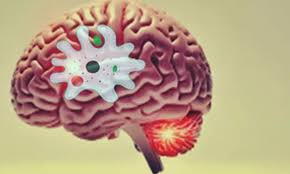
Primary amoebic meningoencephalitis (PAM) is an exceptionally rare but nearly always fatal brain infection caused by Naegleria fowleri—a microscopic, thermophilic protozoan found in warm freshwater sources like ponds, rivers, lakes, and inadequately chlorinated pools. Humans become infected when contaminated water enters the nose—typically while bathing, swimming, or performing nasal irrigation. The organism then travels rapidly along the olfactory nerve to the brain, causing catastrophic inflammation and the destruction of brain tissue.
Globally, PAM is rare, yet its mortality rate is staggering (95–98%). Until the recent Kerala outbreak, India had reported fewer than 20 cases across several decades, with nearly all resulting in death. Experts attribute the current spike to a combination of warmer conditions, increased monsoon rains, and possible lapses in water sanitation.
Symptoms, Diagnosis, and Treatment
Recognizing Symptoms
Early symptoms of Naegleria fowleri infection resemble other forms of meningitis and usually begin within 1–12 days after exposure, typically around five days after water enters the nasal passages:
-
Severe headache and high fever
-
Nausea and vomiting
-
Stiff neck and confusion
-
Inattention to surroundings, seizures, hallucinations, coma
The disease progresses extremely rapidly—death usually occurs within five days of symptom onset. Health authorities urge anyone experiencing these symptoms after recent freshwater exposure to seek immediate medical attention.
Treatment and Outcomes
There is no guaranteed cure for PAM, but some survivors have been documented with aggressive early treatment. According to the US Centers for Disease Control and Prevention (CDC) and recent Kerala reports, therapies include intravenous and intrathecal amphotericin B, oral miltefosine, fluconazole, azithromycin, rifampin, and medically induced hypothermia. The critical factor appears to be the speed of diagnosis and initiation of therapy. Kerala has credited a handful of recent survivor cases to rapid intervention and specialized neurological care, though survival remains rare.
Public Health Response
In reaction to the outbreak, Kerala’s Department of Health has launched emergency protocols, including:
-
Chlorination drives for wells, ponds, and public water sources
-
Public awareness campaigns focused on safe water practices, especially during the monsoon
-
Issuance of special treatment guidelines to healthcare providers
-
Close monitoring and isolation of confirmed cases
Officials advise against swimming or bathing in untreated freshwater bodies, particularly during warmer months. If unavoidable, precautions such as using nose clips, refraining from submerging the head, and ensuring water is properly chlorinated are recommended.
Expert Perspective
Dr. Priya Nair, infectious disease specialist at Thiruvananthapuram Medical College, commented: “While the public’s fear is understandable, it is important to keep in mind that PAM is extraordinarily rare. Preventive measures such as maintaining water hygiene, especially in public pools and wells, are critical. Healthcare professionals should be alert to symptoms in patients with recent aquatic exposures” (interview, not involved in patient care).
Context and Broader Implications
This year’s outbreak marks a troubling trend, as the frequency and geographic spread of PAM appear to be increasing in Kerala, possibly reflecting environmental, infrastructural, and behavioral factors. The infection’s rapid course and high fatality rate highlight the need for:
-
Strong surveillance of emerging waterborne diseases
-
Investment in public water infrastructure
-
Prompt dissemination of health information in local communities
-
Research into improved diagnostic and therapeutic options
Limitations and Uncertainties
Despite the alarming case cluster, PAM remains exceedingly rare relative to the millions exposed to freshwater yearly. There may be undiagnosed or unreported cases in rural areas, and current statistics may underrepresent the true burden of disease. Even with the best available medical care, success rates remain low. Conflicting viewpoints remain on the exact drivers of recent case surges, and ongoing research is critical.
Practical Tips for Readers
-
Avoid swimming in warm freshwater lakes, rivers, or under-chlorinated pools during hot weather or after heavy rains.
-
Use nose clips or keep the head above water if swimming in untreated waters.
-
Do not use untreated water for nasal rinsing or ablution.
-
Maintain wells and water tanks with appropriate chlorination.
-
Seek emergency care for rapid-onset headache, fever, nausea, and neurological symptoms after recent water exposure.
Medical Disclaimer
Medical Disclaimer: This article is for informational purposes only and should not be considered medical advice. Always consult with qualified healthcare professionals before making any health-related decisions or changes to your treatment plan. The information presented here is based on current research and expert opinions, which may evolve as new evidence emerges.
References