 0
0
 0
0
THIRUVANANTHAPURAM, KERALA — In a historic move for rare disease advocacy in India, the Kerala Health Department announced on Rare Disease Day that it is significantly expanding its free medicine distribution program for Spinal Muscular Atrophy (SMA). State Health Minister Veena George confirmed that the state will now provide the oral drug risdiplam (brand name Evrysdi) free of charge to SMA patients up to the age of 25, more than doubling the previous age cap of 12. This expansion, a cornerstone of the state’s Comprehensive Approach for Rare Diseases (CARE) program, aims to bridge a critical gap in adult SMA care and covers approximately 80% of identified cases in the state.
A New Frontier for Rare Disease Management
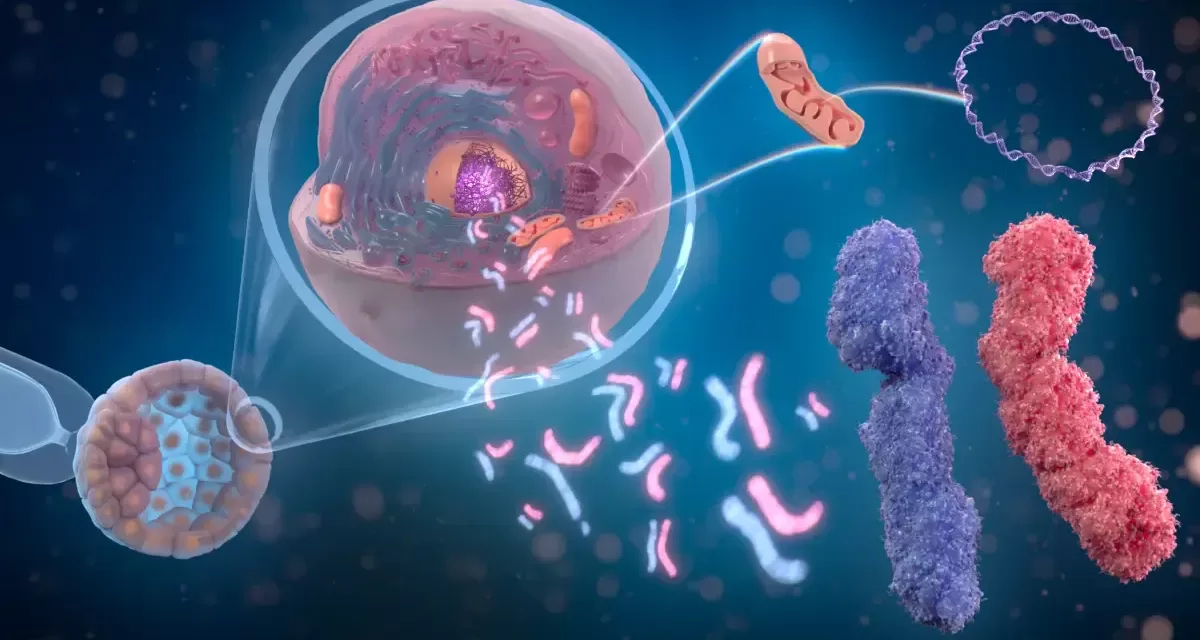
Spinal Muscular Atrophy is a grueling genetic neurodegenerative disorder. It is caused by a mutation in the SMN1 gene, which leads to a deficiency of the Survival Motor Neuron (SMN) protein. Without this protein, motor neurons in the spinal cord wither and die, resulting in progressive muscle wasting, loss of mobility, and, in severe cases, respiratory failure.
In India, the stakes are particularly high. SMA affects approximately 1 in 7,000 to 10,000 live births, and the carrier frequency—individuals who carry the gene but do not have the disease—is estimated at 1 in 38, a figure higher than many global averages.
Kerala’s new policy directly addresses the financial “cliff” many families face when a child turns 13. While the National Policy for Rare Diseases (NPRD) provides one-time financial support up to Rs 50 lakh, SMA requires lifelong management. By earmarking Rs 30 crore from the state budget, Kerala is moving toward a sustainable, long-term model of care rather than a one-off grant.
The Science of Survival: How Risdiplam Works
Unlike gene therapies that require a complex, one-time infusion (like Zolgensma) or repeated spinal injections (like nusinersen), risdiplam is an oral liquid taken daily. It functions as an SMN2 pre-mRNA splicing modifier, essentially “tuning” a backup gene to produce more functional SMN protein.
Key Clinical Findings:
-
The SUNFISH Trial: Phase 3 data involving patients aged 2 to 25 showed a significant improvement in motor function. Participants saw an average gain of 1.55 points on the 32-item Motor Function Measure (MFM32) scale compared to a placebo after 12 months.
-
Long-term Stability: Follow-up data at 24 months revealed that 59% of patients stabilized their condition, while 16% showed continued improvement after switching from a placebo to the active drug.
-
Adult Efficacy: For older patients, the drug has been shown to reduce the risk of needing permanent ventilation and helps maintain upper-limb strength, which is vital for independence.
“The launch of oral options like risdiplam is a significant step forward,” says Dr. Sheffali Gulati, Head of Child Neurology at AIIMS New Delhi. “In early-stage cases, timely treatment transforms outcomes, but for older patients, maintaining the ability to swallow or use a wheelchair independently is equally life-changing.”
Breaking the Financial Barrier
The primary hurdle for SMA treatment has always been the astronomical cost. Branded Evrysdi can cost upwards of Rs 6.2 lakh per bottle, leading to an annual burden of nearly Rs 70-80 lakh for an adult.
The entry of Indian pharmaceutical firm Natco Pharma, which produces a generic version at approximately Rs 15,900 per bottle, has shifted the landscape. By leveraging bulk procurement under the CARE program, the Kerala government has managed to slash costs further, potentially bringing the annual cost per patient down to Rs 3 lakh.
“Life-saving treatment should not be linked to financial capacity,” Minister Veena George stated during the announcement. This policy shift follows a high-profile 2024 Kerala High Court case involving a 24-year-old patient, which highlighted the “age-out” dilemma where patients lost access to therapy just as they reached adulthood.
Public Health Implications and Expert Perspectives
The expansion is expected to have a “domino effect” on public health in the region. By treating patients up to age 25, the state is investing in the “self-reliance” of its youth.
Dr. Smilu Mohanlal, a pediatric neurologist at MIMS Hospital, notes that awareness is finally catching up with the disease. “Post-awareness, we are seeing about four new cases monthly. Accurate surveys and newborn screening are the next logical steps to ensure no one is left behind.”
Challenges Remain
Despite the progress, some limitations persist:
-
Inclusivity: The current expansion primarily targets SMA Type 2 patients. Those with Type 1 (infantile onset) or Type 3 (later onset) may still face bureaucratic hurdles.
-
Diagnostic Gaps: Genetic testing and specialized neurology centers remain concentrated in urban hubs like Kochi and Thiruvananthapuram.
-
Adult Data: Some critics point out that clinical trials still underrepresent adults over age 25, meaning the degree of benefit for much older patients remains a subject of ongoing study.
What This Means for Families
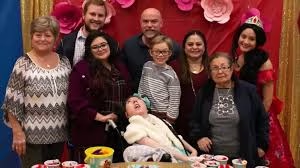
For the members of the Cure SMA Foundation India, this news is a hard-won victory. For a family in Kerala, it means the end of “crowdfunding desperation,” where parents were often forced to raise tens of crores of rupees via social media for a single dose of medicine.
The Kerala model—combining state-funded procurement, generic drug adoption, and a “cradle-to-adulthood” support system—now serves as a blueprint for the rest of India. As the National Policy for Rare Diseases continues to evolve, advocacy groups are pushing for this model to be scaled nationwide.
Medical Disclaimer: This article is for informational purposes only and should not be considered medical advice. Always consult with qualified healthcare professionals before making any health-related decisions or changes to your treatment plan. The information presented here is based on current research and expert opinions, which may evolve as new evidence emerges.
References
- https://medicaldialogues.in/news/industry/pharma/kerala-extends-free-risdiplam-supply-to-sma-patients-up-to-25-years-165745