 0
0
 0
0
As the monsoon rains sweep across Kerala, the state is witnessing a sharp increase in cases of dengue and leptospirosis, raising concerns among health authorities and the public alike. Waterlogging and intermittent rainfall, typical of the season, have created ideal breeding grounds for disease-carrying mosquitoes and have heightened the risk of waterborne infections.
Dengue Cases Climb Sharply
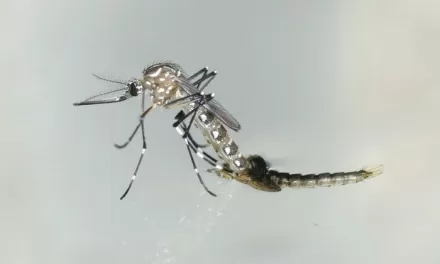
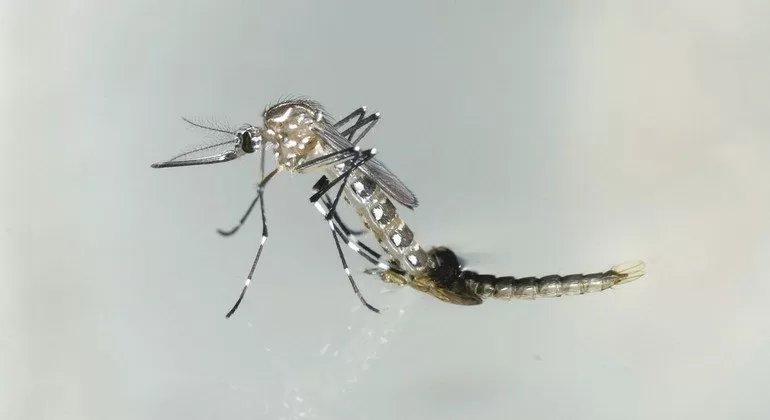
Kerala’s Health Department reports that over 300 people are currently seeking treatment for dengue each day, with 15 fatalities recorded so far this year. The districts of Palakkad, Kollam, and Kozhikode have reported the highest number of infections. In just two weeks following the onset of the summer monsoon, 321 dengue cases were confirmed, three times higher than the same period last year. Health officials attribute the spike to increased mosquito breeding in stagnant water, often found in plant pots and household containers.
Leptospirosis Death Toll Rises
Leptospirosis, commonly known as rat fever, has also seen a worrying uptick. The state has reported 33 deaths due to the disease this year, with cases concentrated in districts like Alappuzha and Ernakulam. Health experts warn that the risk of leptospirosis rises when people come into contact with contaminated water, especially during the monsoon. Delays in diagnosis have contributed to the severity of cases, prompting authorities to urge the public to seek prompt medical attention if symptoms such as high fever, headache, and muscle pain develop.
Broader Health Concerns
The surge in dengue and leptospirosis comes amid a broader pattern of seasonal illnesses. Kerala has also recorded a rise in chickenpox and hepatitis cases, with over 900 chickenpox cases reported in two weeks and 84 hepatitis-related deaths this year. While Covid-19 cases have seen a minor increase, health officials maintain that the situation is under control due to high vaccination coverage.
Government Response and Public Advisory
The Health Department has instructed all districts to intensify surveillance, collect samples from suspected cases, and monitor for potential viral mutations. Local bodies are ramping up mosquito control measures, and the public is being advised to ensure proper cleaning of water storage areas and to avoid contact with dirty water, especially if they have open wounds. Preventive medication such as doxycycline is recommended for those at high risk of leptospirosis.
Expert Insights
Health experts point to Kerala’s high population density, frequent travel, and mixed urban-rural environments as factors contributing to the rapid spread of infectious diseases during the monsoon. Despite the challenges, Kerala’s robust healthcare infrastructure is credited with enabling quicker identification and response to outbreaks.
“The reason why Kerala has more cases of infectious diseases is that people are living in congested areas with a higher population density. There is little rural and urban divide. In addition, a lot of traveling happens in and out of the state, whether through inter-state migrants or non-resident Indians from abroad,” said Dr. Rajeev Jayadevan, co-chairman of the National Indian Medical Association’s COVID task force.
Disclaimer
This article is based on information from multiple news sources and public health updates as of May 2025. The situation is evolving, and readers are advised to follow official advisories and consult healthcare professionals for the latest guidance. The information provided is for general awareness and should not be construed as medical advice.
Citations: