 0
0
 0
0
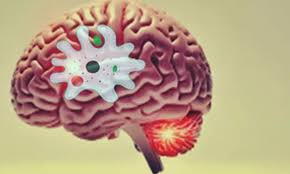
Kerala is currently facing a significant public health challenge with a surge in cases of amoebic meningoencephalitis, a rare but often fatal brain infection caused primarily by the “brain-eating” amoeba Naegleria fowleri. As of October 2025, Kerala has reported 104 cases of amoebic encephalitis resulting in 23 deaths, affecting districts such as Kollam, Thiruvananthapuram, Kozhikode, and Malappuram, with patients ranging from infants to the elderly.
Understanding Amoebic Meningoencephalitis and Causes
Amoebic meningoencephalitis refers to brain inflammation caused by infection with free-living amoebae commonly found in warm freshwater environments like lakes, rivers, poorly chlorinated pools, and stagnant water. The primary pathogen involved in the most fatal form of this infection, primary amoebic meningoencephalitis (PAM), is Naegleria fowleri, which infects people when contaminated water enters the nasal passages, typically during swimming or bathing.
Unlike many infectious diseases, Naegleria fowleri does not spread from person to person; it is acquired from environmental exposure. There are other amoebae, such as Acanthamoeba, that cause granulomatous amoebic encephalitis (GAE), which has a slower onset and generally occurs in individuals with compromised immunity.
Key Developments in Kerala’s Outbreak
Kerala’s state health authorities have heightened surveillance since 2024, following the Nipah virus outbreak in Kozhikode, with mandatory reporting of all encephalitis cases. This has led to increased detection of amoebic encephalitis cases. The 2025 figures show nearly triple the number of cases compared to the previous year, with fatalities also rising but at a lower proportion, thanks to enhanced early diagnosis and treatment efforts.
State Health Minister Veena George has highlighted the implementation of a comprehensive action plan that includes continuous scientific chlorination of wells, water tanks, and public bathing spots, along with public awareness campaigns focusing on water hygiene to prevent exposure. Despite the efforts, transmission routes remain partially unclear as cases have appeared even among individuals with no known exposure to natural water bodies, including infants and those who bathe only at home.
Treatment and Survival Rates
Globally, Naegleria fowleri infections have an extremely high fatality rate of about 98%, making them almost universally lethal. However, Kerala has achieved a survival rate of around 24%, a considerable improvement attributed to early case detection, availability of advanced diagnostic facilities, and the use of combination drug regimens.
Treatment protocols typically include the antileishmanial drug miltefosine, used alongside antifungals like amphotericin B and antibiotics. Cooling the patient’s body to manage brain swelling has also been employed with some success. Expert physicians recommend initiating treatment as early as possible after diagnosis to increase survival chances. Though no definitive cure exists, combination therapies have resulted in rare survivals even in some severe cases.
Expert Commentary
Dr. Anirudh, an infectious diseases specialist at a prominent Kerala medical college, emphasized, “The key to improving outcomes for amoebic meningoencephalitis is heightened awareness and rapid initiation of treatment. Early diagnosis leveraging new laboratory capabilities has changed Kerala’s survival statistics.” The Health Minister echoed this, noting the One Health approach involving multiple state departments to systematically address environmental and public health factors contributing to the outbreak.
Public Health Implications
This outbreak underscores the importance of water safety practices, especially in tropical regions where warm freshwater habitats favor the amoeba’s growth. Preventive strategies recommended include avoiding activities that allow water to enter the nose during swimming or bathing in natural bodies of water, ensuring proper chlorination of pools and water storage systems, and public education on recognizing early symptoms like fever, headache, nausea, and neurological signs.
The Kerala experience offers a model for improved surveillance, rapid response, and effective clinical management that can be adapted in other regions facing similar risks. The ongoing surge also highlights gaps in understanding transmission, warranting further epidemiological research to devise more targeted preventive measures.
Limitations and Challenges
Despite progress, challenges persist including incomplete knowledge of all infection sources, cases occurring in absence of typical water exposure, and the rarity of the disease that limits extensive research. The high fatality rates globally also reflect the disease’s aggressive progression and difficulty of treatment, emphasizing the need for continuous vigilance and research.
Conclusion
Kerala’s ongoing battle with amoebic meningoencephalitis brings a rare but deadly brain infection to the forefront of public health concerns in India. Through early detection, prompt treatment utilizing recently improved protocols and drugs like miltefosine, and comprehensive preventive measures, the state has achieved outcomes better than global averages. Continued awareness, research, and policy efforts are critical to containing this menacing infection and safeguarding at-risk populations.
Medical Disclaimer
This article is for informational purposes only and should not be considered medical advice. Always consult with qualified healthcare professionals before making any health-related decisions or changes to your treatment plan. The information presented here is based on current research and expert opinions, which may evolve as new evidence emerges.
References
-
Economic Times Health. (2025, October 12). Amoebic meningoencephalitis: 23 deaths reported in Kerala, says state health minister. https://health.economictimes.indiatimes.com/news/industry/amoebic-meningoencephalitis-23-deaths-reported-in-kerala-says-state-health-minister/124501946