 0
0
 0
0
A Rare Killer Disrupts Kerala’s Public Health
In 2025, Kerala’s health system is being tested by an unusual spike in cases and deaths from Naegleria fowleri, a microscopic freshwater amoeba infamous for causing deadly brain infections. The disease struck swiftly, affecting 19 individuals—ranging from infants to seniors—across the state, triggering urgent calls for accountability in the legislative assembly, where lawmakers accuse the government of insufficient local awareness and preventive action.
Understanding Primary Amoebic Meningoencephalitis
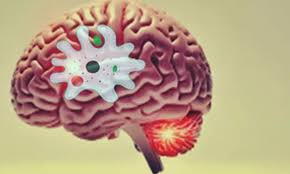
PAM is caused by Naegleria fowleri—a free-living, thermophilic amoeba commonly found in warm freshwater environments such as lakes, ponds, and poorly treated pools. Infection typically occurs when contaminated water enters the nose, especially during activities like swimming or diving. From there, the amoeba rapidly migrates to the brain, destroying tissue and causing severe inflammation. PAM is exceptionally rare: fewer than 500 global cases have ever been recorded, but it carries a mortality rate exceeding 95%.
Epidemiological Update: The Kerala Outbreak
Kerala has documented over 61 confirmed cases and 19 deaths in 2025. Notably, cases are now distributed across districts rather than clustered, complicating investigation and prevention. Kerala’s Health Minister Veena George explained that infections no longer stem from isolated contaminated water sources, but appear as single, sporadic incidents. Recent victims include both children and older adults, with fatalities reported as recently as September at major government hospitals.
Key Medical Facts and Recent Research
The progression of PAM is notoriously swift: symptoms—headache, fever, stiff neck, and seizures—emerge within days and often lead to death within one to two weeks. Diagnosis remains challenging due to the rarity of the disease and the difficulty of detecting the amoeba in early stages.
Treatment options are limited and evolving. Traditionally, amphotericin B has been used—with significant toxicity risks. Newer protocols introduce miltefosine, an imported anti-parasitic medication shown to increase survival in animal models and selected patient cases. In recent Kerala cases, physicians have prioritized early use of miltefosine alongside supportive care, though success is far from guaranteed.
Expert Perspectives
Dr. Manisha Arora, Director of Internal Medicine at CK Birla Hospital, Delhi, describes PAM as “a rare but extremely serious infection, where early diagnosis and prompt treatment can make a life-or-death difference.” She warns that treatment delays are fatal and emphasizes the need for aggressive public awareness about the disease’s risks.
International research underlines the threat of Naegleria fowleri in warm climates, encouraging vigilance during swimming seasons and demanding better water hygiene standards. Local experts agree that while the organism is widespread, infections are rare; however, the high mortality rate necessitates swift, coordinated responses from public health authorities.
Kerala’s Public Health Response
The government has initiated a statewide “Jalamanu Jeevan” (Water is Life) chlorination drive targeting wells, swimming pools, and storage tanks. Authorities recommend minimizing contact with untreated freshwater, using nose clips when swimming, and prioritizing chlorination of recreational water sources. Additionally, medical guidelines advise all practitioners to test for amoebic causes in suspected meningoencephalitis cases to enable faster intervention.
Political and Social Dimensions
Political tensions have risen as opposition leaders accuse the government of lax prevention and call for intensified awareness campaigns, particularly at the local level. The health ministry counters that Kerala’s overall system remains resilient, citing achievements like reduced infant mortality and expanded critical care infrastructure. However, critics highlight rising out-of-pocket health expenses and charge that response measures are reactive rather than preventive.
Implications for Public Health and Individual Safety
For health-conscious individuals, key lessons include:
-
Avoid swimming in untreated, warm freshwater—especially in summer months.
-
Ensure public pools and tanks are properly chlorinated.
-
Seek medical advice immediately after sudden neurological symptoms following water exposure.
-
Understand that person-to-person transmission is not possible; infection requires direct water contact with the nasal passages.
Health professionals stress that even with aggressive management, PAM remains a medical emergency requiring rapid diagnosis and treatment. Public vigilance and responsible water use practices are central to reducing risk.
Counterpoints and Limitations
While the scale of Kerala’s outbreak is alarming, global context suggests PAM is exceedingly rare, even in regions with similar water conditions. Some experts caution against undue panic, emphasizing proper preventive measures over fear-mongering. Continued research on therapeutic options, environmental detection, and rapid diagnostics remains crucial.
Medical Disclaimer
“Medical Disclaimer: This article is for informational purposes only and should not be considered medical advice. Always consult with qualified healthcare professionals before making any health-related decisions or changes to your treatment plan. The information presented here is based on current research and expert opinions, which may evolve as new evidence emerges.”
References