 0
0
 0
0
In a groundbreaking medical achievement announced in early September 2025, doctors in Kerala, India, successfully treated a 17-year-old boy suffering from a rare dual infection of amoebic meningoencephalitis and Aspergillus flavus fungal infection. This marks the first-ever known full recovery from this deadly combination, providing hope against infections that individually carry extremely high mortality rates worldwide. The case was managed through coordinated efforts across two medical colleges and involved complex neurosurgery alongside intensive pharmacological therapy.
Key Medical Details and Treatment
The young patient was initially treated at Alappuzha Medical College Hospital, where microbiology labs identified both the amoeba and fungus from his spinal fluid. An MRI scan revealed pus accumulation in the brain, prompting transfer to Thiruvananthapuram Medical College for neurosurgical intervention. The neurosurgery team performed two surgeries in response to the patient’s deteriorating condition. Alongside this, a rigorous drug regimen including five different medications was employed, targeting both infections simultaneously—a particularly delicate approach given the fatal nature of each infection on its own.
According to Dr. Aravind, Associate Professor of Infectious Diseases at Thiruvananthapuram Medical College, the boy’s recovery following three months of treatment and subsequent normal health status after discharge underscores the success of the protocols applied. Health Minister Veena George highlighted that although cases of co-infections have been reported globally, none had survived until this landmark case.economictimes.indiatimes+1
Understanding the Infections
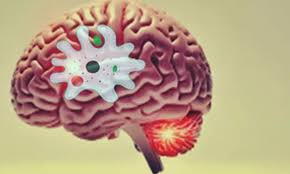
Amoebic meningoencephalitis is a rare, often fatal central nervous system infection caused by free-living amoebae typically contracted through exposure to contaminated freshwater sources such as lakes and rivers. The disease progresses rapidly and is frequently fatal, with global mortality rates near 99%. In Kerala alone, 86 cases were reported in the past two years, with a mortality rate of approximately 23-24%, a significantly lower figure attributed to improved early detection and treatment protocols.
Aspergillus flavus is a fungus commonly found in the environment, causing opportunistic infections that can be particularly severe when involving the central nervous system. An infection with this fungus is also associated with high risk of fatality if not treated promptly and effectively.
Kerala’s Health Response and Public Health Implications
This achievement is the result of systematic public health efforts by Kerala’s government, which formulated treatment guidelines for amoebic meningitis and fungal infections three years ago. The state is proactive in early case detection, supported by microbiology labs capable of rapid diagnosis and PCR testing to pinpoint specific amoeba types. Chlorination of wells and water sources has been promoted alongside public awareness campaigns to reduce exposure risks.
The dual infection case highlights broader public health challenges, including the presence of multiple infectious agents compounding clinical outcomes. Kerala’s ability to identify and rapidly respond to such complex infections illustrates a model of integrated infectious disease management.
Expert Perspectives and Limitations
Experts not involved in the treatment emphasize that this success should be seen as a significant but isolated breakthrough. Dr. Rajesh Menon, an infectious disease specialist at another leading Indian medical institute, notes “While this case offers hope, the rarity of such dual infections and the intense resource requirements for treatment mean it may not be easily replicable everywhere. More research is needed to optimize treatment protocols and understand co-infection dynamics.”
The considerable mortality associated with both infections individually, and the fact that surviving a combination is unprecedented, necessitates cautious optimism. The rarity of cases and variability in presentation could mean that treatment success depends heavily on early diagnosis, access to specialized care, and multidisciplinary collaboration.
Practical Takeaways for the Public
For the general population, this event reinforces the importance of preventive measures against amoebic infections—especially avoiding exposure to potentially contaminated freshwaters and ensuring safe drinking water through chlorination. For healthcare providers, a high index of suspicion for co-infections in severe meningitis cases, combined with rapid diagnostic processes, can be lifesaving.
This milestone also stresses the need for continuous investment in infectious disease research and healthcare infrastructure capable of managing complex infections.
Medical Disclaimer: This article is for informational purposes only and should not be considered medical advice. Always consult with qualified healthcare professionals before making any health-related decisions or changes to your treatment plan. The information presented here is based on current research and expert opinions, which may evolve as new evidence emerges.
References:
-
News article: “Kerala doctors treat world’s first dual case of amoebic meningitis and fungal infection,” Economic Times Health, Sept 4, 2025.https://health.economictimes.indiatimes.com/news/industry/kerala-achieves-medical-milestone-worlds-first-dual-treatment-of-amoebic-meningitis-and-fungal-infection/123691781