 0
0
 0
0
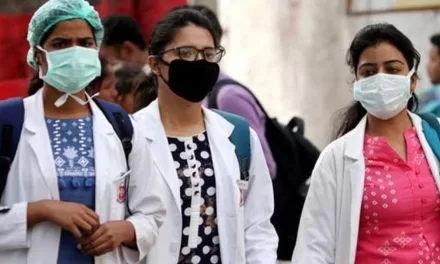
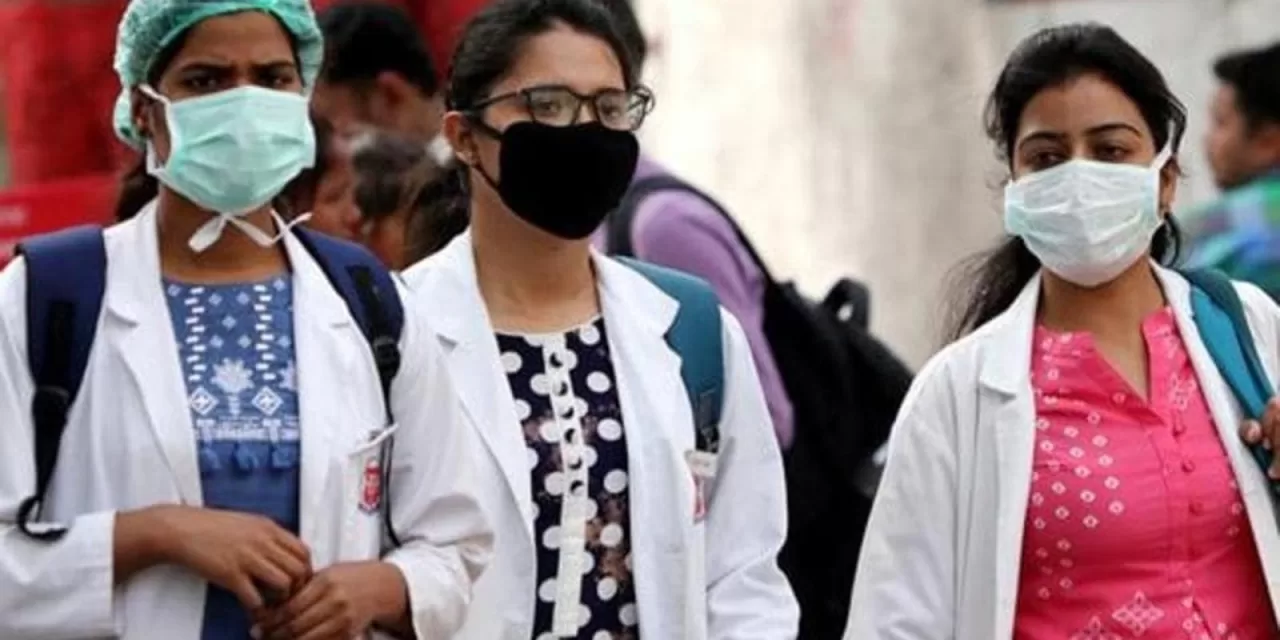
Kerala, September 2025 — In a landmark achievement for medical education and public health infrastructure, the state of Kerala now boasts government medical colleges in every district following recent approvals from the National Medical Commission (NMC) for new institutions in Wayanad and Kasaragod. This development expands access to medical education significantly by adding 100 new MBBS seats, with each of the two new colleges admitting an initial batch of 50 students starting this academic year. Health Minister Veena George hailed this as a pivotal moment reflecting the government’s commitment to affordable, merit-based medical education at government fee rates.
Key Developments and Infrastructure
The addition of the Wayanad and Kasaragod medical colleges complements Kerala’s well-established network of government medical institutions, ensuring students across the state have equitable educational opportunities. The Wayanad Government Medical College has seen significant investments, including a Rs 45 crore multipurpose block and a 60-seat nursing college. Staff recruitment has been substantial, with 140 positions filled, including 115 teaching faculty and 25 non-teaching roles, ensuring academic and operational readiness.
In Kasaragod, the medical college’s infrastructure development is progressing steadily, backed by Rs 160 crore funding from the Kerala Infrastructure Investment Fund Board (KIIFB). The academic block has been completed, and construction of the hospital block is underway alongside a water supply system funded at Rs 8 crore. Hostel facilities valued at Rs 29 crore are nearing completion, demonstrating comprehensive planning to support students’ educational and residential needs.
Expert Perspectives and Context
Health Minister Veena George emphasized the milestone’s importance, stating, “This is a major achievement in the field of medical education; every district now has both a medical college and a nursing college. Students will be able to pursue their studies on merit at government fee rates.” This expansion supports Kerala’s broader public health strategy to strengthen the healthcare workforce, essential for managing the region’s health challenges from infectious diseases to chronic conditions.
Dr. Nisha Menon, a public health expert not involved in the project, noted, “Increasing the number of medical colleges across districts is crucial in addressing healthcare disparities. It facilitates local access to medical training, which often correlates with healthcare delivery improvements in those communities.” She further highlighted that locally trained doctors are more likely to practice in underserved areas, which is vital for balanced healthcare distribution.
Implications for Public Health and Medical Education
The state’s move to ensure medical colleges in every district promotes regional decentralization of medical education and healthcare services. This can help mitigate the urban-rural divide, providing rural populations with better access to care and increasing the healthcare system’s capacity.
For prospective students, this represents an opportunity to study closer to home, potentially reducing financial and social barriers associated with relocating for higher education. Moreover, the government admission process based on merit promises equitable access for talented students across socioeconomic backgrounds.
Limitations and Considerations
Despite these advances, challenges remain. Establishing new medical colleges to the standards upheld by the NMC requires ongoing attention to faculty recruitment, infrastructure maintenance, and continuous quality assurance in education and clinical service. Balancing rapid expansion with high-quality training is essential to avoid potential dilution of educational standards.
Additionally, operational challenges such as sustaining funding, integrating these new colleges with existing health systems, and ensuring adequate patient inflow for clinical training must be managed carefully.
Conclusion
Kerala’s achievement in establishing government medical colleges in all its districts marks a significant step toward strengthening medical education and healthcare accessibility. It aligns with global public health goals by expanding the healthcare workforce and improving access to quality care. While ongoing efforts will be necessary to maintain standards and address operational challenges, the state’s initiative offers a hopeful model for other regions aiming for equitable medical education infrastructure.
Medical Disclaimer: This article is for informational purposes only and should not be considered medical advice. Always consult with qualified healthcare professionals before making any health-related decisions or changes to your treatment plan. The information presented here is based on current research and expert opinions, which may evolve as new evidence emerges.
References:
-
Medical Dialogues. “Kerala now has medical colleges in each district,” September 2025.https://medicaldialogues.in/state-news/kerala/kerala-now-has-medical-colleges-in-each-district-154840