 0
0
 0
0
Bengaluru, November 19, 2025 — In response to a regional surge in “brain-eating amoeba” infections, the Karnataka government has issued urgent guidelines for Sabarimala pilgrims, aiming to safeguard public health and prevent cases of amoebic meningoencephalitis. The move comes after Kerala reported an alarming number of Naegleria fowleri infections, a condition that is exceptionally rare but overwhelmingly fatal if not identified and treated swiftly.
What is the ‘Brain-Eating Amoeba’?
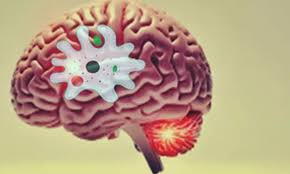
Naegleria fowleri, more widely known as the “brain-eating amoeba,” is a free-living microorganism commonly found in warm freshwater environments such as lakes, ponds, rivers, and infrequently chlorinated swimming pools. Infection occurs when contaminated water enters the body through the nose, typically while swimming or bathing; the amoeba then travels along the olfactory nerves to the brain, causing a rare but devastating condition called primary amoebic meningoencephalitis (PAM). Importantly, the disease does not spread from person to person or as a result of drinking contaminated water.
Government Guidelines and Public Health Measures
With more than 200,000 people expected to participate in the Sabarimala pilgrimage this season, Karnataka health authorities have taken proactive steps amid mounting concern. The new guidelines, released by the Commissionerate of Health and Family Welfare Services, underscore the following precautions:
-
Pilgrims and the public must avoid allowing water to enter the nose while bathing in freshwater sources.
-
The use of nose clips while bathing is strongly recommended.
-
Swimming, especially in stagnant or untreated water, should be avoided whenever possible.
-
Immediately seek medical attention if symptoms such as fever, severe headache, neck stiffness, vomiting, or altered mental status occur after water exposure.
These advisories echo those issued earlier this year by Kerala’s Health Department as the state experienced an unprecedented uptick in PAM cases — nearly 80 confirmed cases by late 2025, with most resulting in fatal outcomes despite aggressive treatment.
Expert Insights and Key Developments
Scientific understanding of Naegleria fowleri has advanced, but clinicians emphasize that PAM remains exceedingly hard to diagnose and treat. According to a comprehensive review in Frontiers in Microbiology and an analysis in Clinical Infectious Diseases, while new diagnostic tools like polymerase chain reaction (PCR) and metagenomic sequencing are improving early detection, most cases are only identified after symptom onset, by which point outcomes are grim. The fatality rate hovers near 100% with only a handful of survivors documented globally, even with prompt, aggressive therapy.
Dr. Anto Ignat, Consultant Neurologist at TriLife Hospital in Bengaluru, stresses prevention as the primary defense: “Amoebic meningoencephalitis is rare but deadly. People must avoid activities that risk water entering the nose in warm freshwater settings. Proper pool maintenance and chlorination are essential steps to minimize exposure risk”. Dr. R. Siddiqui, an infectious disease researcher, adds that “a combination of early detection, community education, and environmental surveillance is the only way to limit future outbreaks”.
Context: Growing Risks in a Warming Climate
Though deaths from Naegleria fowleri infection are rare, climate change is believed to drive both a broader distribution of this pathogen and an increase in annual case numbers. As global and regional temperatures rise, so does the viability of N. fowleri in more diverse freshwater environments, raising new concerns for public health officials and researchers in India and worldwide.
Kerala has witnessed a dramatic surge in cases over the past two years, with outbreaks tracing back to various untreated or natural water sources, many used for ritual bathing during religious events. The Karnataka government’s actions are therefore grounded in both immediate epidemiological evidence and lessons from neighboring states.
Symptoms, Diagnosis, and Treatment
The earliest signs of amoebic meningoencephalitis typically arise within 1–9 days of exposure and include sudden fever, headache, nausea, vomiting, neck stiffness, confusion, hallucinations, and occasionally seizures. Due to the rapid progression, patients often deteriorate within days, frequently resulting in death despite intensive care interventions.
A presumptive diagnosis relies on clinical suspicion and cerebrospinal fluid (CSF) analysis, but definitive confirmation increasingly utilizes advanced techniques such as PCR and next-generation sequencing. Treatment protocols normally involve a combination of antimicrobials including amphotericin B, rifampin, azithromycin, and miltefosine, among others — but survival remains extremely rare.
Implications for Public Health
The Karnataka advisory is an exemplar of preemptive risk communication and may help curb the spread of this deadly infection by raising awareness among high-risk groups, especially those participating in mass gatherings that involve freshwater exposure. Large-scale health communication and community engagement are crucial, as is ensuring access to rapid diagnostic services when symptoms develop. Environmental monitoring of water bodies and implementation of safe water practices remain pillars of longer-term prevention.
Limitations, Conflicting Perspectives, and Ongoing Research
While new diagnostic technologies and possible vaccine approaches are in development, accessible and affordable options remain limited for most resource-constrained settings; thus, prevention remains the best strategy. Some experts caution that while reported case numbers are rising, the overall individual risk remains extraordinarily low compared to more common waterborne diseases. Nevertheless, given the extreme severity and fatality of PAM, the emphasis on widespread preventive behaviors is justified.
Practical Takeaways for Readers
-
Avoid swimming or bathing in warm, untreated freshwater, especially in areas where cases have been reported.
-
Use nose clips when entering potentially contaminated water.
-
Be aware of early symptoms following freshwater exposure and seek immediate medical care if they occur.
-
Support community calls for improved water sanitation and public health education about rare but serious infections.
Medical Disclaimer: This article is for informational purposes only and should not be considered medical advice. Always consult with qualified healthcare professionals before making any health-related decisions or changes to your treatment plan. The information presented here is based on current research and expert opinions, which may evolve as new evidence emerges.
References