 0
0
 0
0
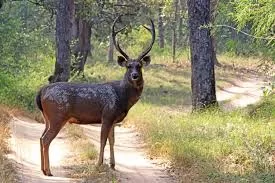
In a distressing wildlife health emergency at the Kittur Rani Chennamma Mini Zoo in Belagavi, Karnataka, 31 of the total 38 blackbucks housed within the facility have died rapidly over just four days in mid-November 2025. Veterinary authorities have confirmed the cause as an outbreak of Haemorrhagic Septicaemia (HS), a highly fatal bacterial infection caused by Pasteurella multocida which predominantly affects herbivorous animals such as cattle and wild ungulates. This sudden and large-scale mortality event is considered unprecedented in Indian zoo history and has triggered urgent biosecurity measures as well as concerns about potential spread to nearby villages and livestock populations.
Key Findings and Developments
The outbreak was first noticed when eight blackbucks died on November 13, with postmortem examinations revealing extensive haemorrhagic lesions, a hallmark of bacterial septicaemia. Despite immediate veterinary interventions and isolation of the surviving seven blackbucks, the death toll rose to 31 by November 17, reducing the zoo population drastically and leaving only seven animals under close medical supervision. Laboratory samples confirmed the bacterial origin of the infection. Zoo authorities, along with a high-level expert committee including senior veterinarians and members of the Karnataka Zoo Authority, imposed strict biosecurity controls and ongoing monitoring of all susceptible herbivore species at the zoo. The forest department also issued warnings to surrounding communities to implement preventive measures for their animals.
Expert Commentary
Dr. Chandrashekhar, a senior virologist from Bannerghatta Biological Park, stressed that blackbucks are extremely sensitive species for whom stressors such as temperature fluctuations can accelerate mortality once infected with HS. “Haemorrhagic Septicaemia progresses swiftly, often leading to death within hours without timely antibiotic treatment,” he explained. Dr. Prayag, the senior wildlife veterinarian involved in overseeing care at the zoo, highlighted the need for heightened disease surveillance in captive wildlife settings to prevent such devastating outbreaks. Karnataka Forest Minister Eshwar Khandre ordered a probe to investigate the source of infection and ensured that steps are being taken to contain the disease and prevent recurrence.
Context and Background
Haemorrhagic Septicaemia is an acute, often fatal bacterial disease of livestock caused by Pasteurella multocida. While more commonly reported in domestic cattle and buffalo, outbreaks in wild herbivores are rare but possible, especially under conditions of overcrowding, poor nutrition, stress, or inadequate veterinary care. The Kittur Rani Chennamma Mini Zoo has faced criticisms previously regarding animal care and health monitoring, and this outbreak has spurred calls from conservationists and animal welfare activists for stricter veterinary protocols and facility management reforms.
Implications for Public Health and Wildlife Conservation
Although HS does not directly infect humans, the spillover of the infection to domestic herbivores in nearby villages could have significant economic and animal health impacts, warranting urgent preventive measures by local animal husbandry services. The zoo has issued advisories urging vigilance and preventive vaccination in livestock herds to restrict disease spread. For zoo visitors and the general public, there is no direct health risk from HS; however, the incident underscores vulnerabilities in captive wildlife disease preparedness and the potential cascading effects on ecosystems and livestock health.
Limitations and Counterarguments
Some animal welfare advocates have questioned whether systemic neglect and inadequate veterinary infrastructure at the zoo contributed to the outbreak’s severity. While preliminary findings confirm bacterial infection as the cause, the exact transmission route remains under investigation. Stress and environmental factors likely compounded susceptibility. The rapid progression of the disease presents challenges for early detection, emphasizing the need for continued research on outbreak prevention in captive wild populations.
Practical Takeaways for Readers
For communities living near wildlife facilities or with livestock, maintaining strict hygiene, timely vaccination, and early veterinary consultations are critical to preventing infections like HS. Zoo authorities must prioritize robust health monitoring, emergency response protocols, and staff training to safeguard vulnerable wildlife species. Public awareness about disease risks and transmission pathways can empower better preventive practices in both domestic and wild animal contexts.
Medical Disclaimer: This article is for informational purposes only and should not be considered medical advice. Always consult with qualified healthcare professionals before making any health-related decisions or changes to your treatment plan. The information presented here is based on current research and expert opinions, which may evolve as new evidence emerges.
References
- https://www.newindianexpress.com/states/karnataka/2025/Nov/17/31-blackbuck-deaths-recorded-in-rani-chennamma-mini-zoo-experts-suspect-negligence
- https://timesofindia.indiatimes.com/city/bengaluru/karnataka-zoos-on-high-alert-31-of-38-blackbucks-dead-as-deadly-infection-ravages-belagavi-zoo-biosecurity-measures-ordered-statewide/articleshow/125398981.cms