 0
0
 0
0
December 15, 2025
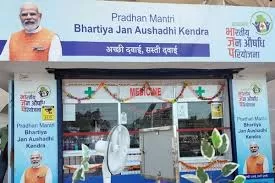
BENGALURU – In a significant ruling that reinforces the public’s right to affordable healthcare, the Dharwad bench of the Karnataka High Court has quashed the state government’s order directing the closure of Pradhan Mantri Bhartiya Janaushadhi Kendras (PMBJKs) operating within government hospital premises.
The verdict, delivered last Wednesday by Justice M. Nagaprasanna, comes as a major relief to thousands of patients, particularly those from low-income groups, who rely on these centers for low-cost generic medicines. The court set aside the Karnataka Health Department’s circular dated May 14, 2025, which had mandated the shutdown of these outlets on the grounds that government hospitals already provided free medicines.
The Ruling: “Cannot Tinker with Medicines for the Poor”
Justice Nagaprasanna, while allowing a batch of petitions filed by Kendra operators including Rakesh Mahalingappa L., delivered a stinging oral observation regarding the state’s decision.
“We will not allow one wing of the government to tinker with the medicines being given to the poor, whether it is free of cost or for a nominal price,” the court observed.
The High Court accepted the petitioners’ argument that the closure order was arbitrary and violated their fundamental rights. The petitioners contended that the move infringed upon their Right to Livelihood under Article 19(1)(g) and, more importantly, adversely affected the citizens’ Right to Health under Article 21 of the Constitution.
Background: The Conflict Over Campus Operations
The controversy began on May 14, 2025, when the Karnataka state government issued a circular directing the closure of all Jan Aushadhi Kendras located inside the campuses of government-run hospitals.
The state’s rationale was two-fold:
-
Redundancy: The Additional Advocate General argued that since government hospitals are mandated to provide essential medicines free of charge to patients, the presence of paid outlets (even low-cost ones) was unnecessary.
-
Land Use: The government claimed it intended to reclaim the state-owned land occupied by these private franchises, suggesting they could continue operations outside hospital premises.
However, Kendra owners argued that the order was passed in haste without prior consultation. They highlighted that significant investments had been made in infrastructure and staffing based on prior agreements. Furthermore, they pointed out a critical gap in the state’s logic: hospital pharmacies frequently face stockouts.
Bridging the Gap: Why Jan Aushadhi Matters
Public health experts have long argued that while free drug distribution schemes are ideal, supply chain inefficiencies often leave patients empty-handed.
“The reality of public health infrastructure is that stockouts of essential medicines are common due to procurement delays,” explains Dr. Rajeshwari Rao, a public health policy analyst (name changed for illustrative context). “Jan Aushadhi Kendras serve as a vital safety net. When a free pharmacy is out of stock, a patient can buy the same generic drug next door for ₹10 instead of being forced to buy a branded version for ₹100 from a private chemist outside.”
Data from the Pharmaceuticals & Medical Devices Bureau of India (PMBI) supports this economic argument. Medicines at Jan Aushadhi Kendras are priced 50% to 90% lower than branded equivalents. For chronic conditions like diabetes and hypertension, which require lifelong medication, this price difference often determines whether a patient adheres to their treatment or abandons it.
Political and Public Health Implications
The ruling has also taken on a political dimension, viewed by some as a setback for the Siddaramaiah-led state administration and a validation of the central government’s flagship health scheme.
Bengaluru South MP Tejasvi Surya, whose office supported the legal challenge, termed the court’s decision a lesson that “political vendetta can never obstruct efforts to advance public interest.”
According to recent government data, the PMBJP scheme has achieved significant penetration:
-
Cost Savings: The scheme is estimated to have saved citizens over ₹30,000 crore in the last decade.
-
Expansion: As of late 2025, there are over 15,000 functional Kendras across India, with a target of 25,000 by March 2027.
What This Means for Patients
For the average patient visiting a district hospital in Karnataka, this ruling ensures continued access to a “Plan B.” If the hospital pharmacy is unable to dispense a prescribed medication, the patient can access quality generic alternatives within the same premises, without incurring the high costs of private pharmacies.
The judgment is expected to set a precedent preventing other state administrations from arbitrarily closing such public-interest initiatives without robust alternatives in place.
Medical Disclaimer:
This article is for informational purposes only and should not be considered medical advice. Always consult with qualified healthcare professionals before making any health-related decisions or changes to your treatment plan. The information presented here is based on current research and expert opinions, which may evolve as new evidence emerges.
References:
-
Medical Dialogues. (2025, Dec 14). “Karnataka HC Allows Jan Anushadhi Kendras to Continue Operations in Government Hospitals.”