 0
0
 0
0
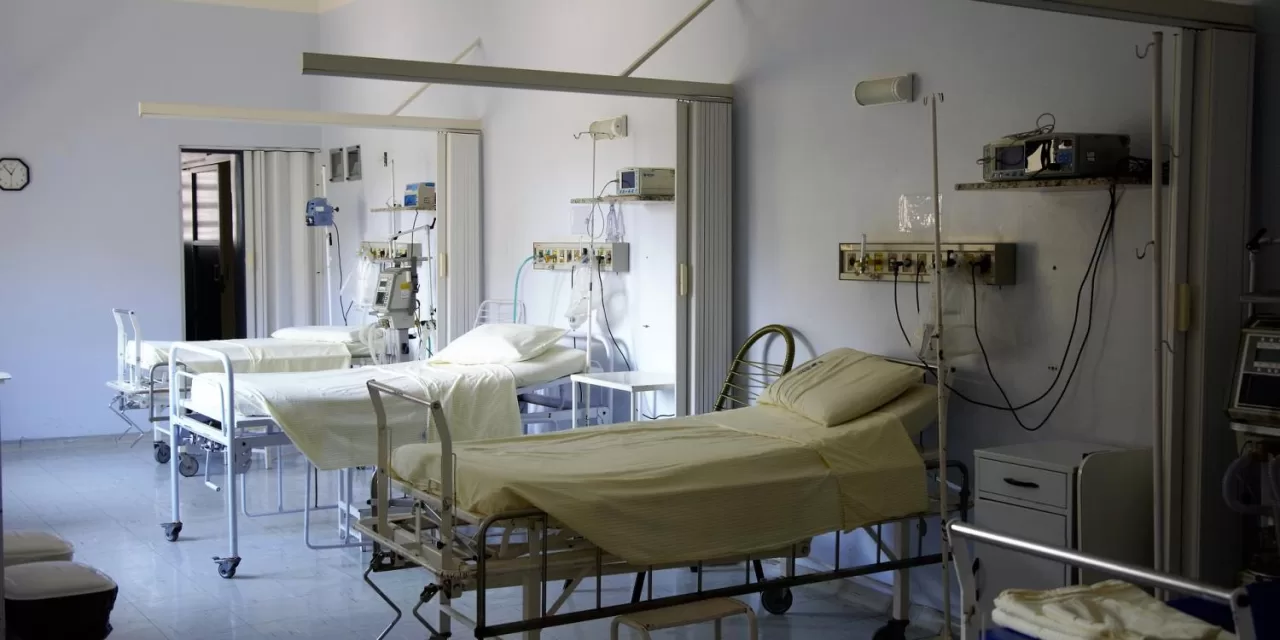
BENGALURU – In a move aimed at fundamentally restructuring the delivery of public healthcare, the Karnataka state government has announced a significant policy shift: the establishment of independent, dedicated hospitals in districts where medical colleges are currently attached to existing district hospitals.
The initiative, spearheaded by Karnataka Medical Education Minister Sharan Prakash Patil, seeks to resolve long-standing operational bottlenecks by separating academic teaching facilities from primary district healthcare hubs. By creating distinct entities for medical education and general public health services, the state aims to reduce patient overcrowding, improve the quality of specialty care, and ensure that rural populations have better access to both secondary and tertiary medical services.
Addressing the “Attached Hospital” Constraint
For decades, the standard model in many Indian states has involved “attaching” newly sanctioned government medical colleges to existing district hospitals. While this provides immediate clinical material for students, it often leads to a dual-administrative burden. District hospitals, originally designed to serve the general healthcare needs of a specific population, frequently become overwhelmed when they must also function as tertiary referral centers for medical colleges.
“The current setup often creates a conflict of resources,” explained Dr. Aruna Ramesh, a senior public health consultant not involved in the government planning. “When a district hospital doubles as a teaching hospital, the focus can shift heavily toward academic cases, sometimes at the expense of routine primary and secondary care for the local community. Separating them allows the district hospital to return to its core mission while the new medical college hospital can focus on advanced specialties.”
The Roadmap for Expansion
Minister Patil confirmed that the government has already identified the need for independent hospital buildings in several districts. The transition will involve significant capital investment in infrastructure, staffing, and high-end medical equipment.
Key components of the plan include:
-
Infrastructure Development: Construction of multi-specialty hospital wings specifically for medical colleges.
-
Capacity Building: Increasing the total bed strength available in each district.
-
Staffing Autonomy: Creating separate cadres of medical professionals—one focused on clinical teaching and research, and another dedicated to district health services.
While the timeline for completion varies by district, the government has signaled that this is a priority project intended to modernize Karnataka’s healthcare footprint, which has seen a surge in medical college sanctions over the last five years.
Statistical Context: The Growing Demand
The need for this separation is underscored by the sheer volume of patients seeking public care in Karnataka. According to data from the National Health Mission (NHM), Karnataka’s public health facilities witness millions of outpatient visits annually. In districts like Raichur, Kalaburagi, and Mysuru, bed occupancy rates in attached hospitals often exceed 100%, leading to patients being treated in hallways or shared beds.
By decoupling these institutions, the state effectively doubles its clinical infrastructure in high-demand areas. For instance, if a 500-bed district hospital is decoupled from a 500-bed medical college hospital, the district suddenly gains a combined capacity of 1,000 beds, significantly lowering the patient-to-doctor ratio.
Expert Perspectives and Public Health Impact
Public health experts have largely welcomed the move, though they caution that “buildings do not treat patients; people do.”
“This is a visionary step for Karnataka,” says Dr. S. Rajendran, a retired administrator from the Directorate of Health and Family Welfare Services. “However, the success of this move depends on the recruitment of specialists. We have seen many buildings stand empty because there are no neurologists or cardiologists to man them. The government must pair this infrastructure boom with a robust human resource policy.”
From a public health perspective, the move is expected to:
-
Reduce Wait Times: Patients seeking routine surgeries or maternal care will no longer have to compete for space with complex cases referred to the medical college.
-
Improve Specialized Training: Medical students will have access to dedicated labs and specialized wards designed for teaching, rather than being squeezed into overcrowded general wards.
-
Strengthen Rural Healthcare: By maintaining the original district hospital as a standalone entity, rural residents retain a familiar point of entry for secondary care.
Potential Challenges and Limitations
Despite the optimistic outlook, the plan faces hurdles. Critics point to the high cost of maintaining two large-scale facilities in a single district. There are also concerns regarding the “brain drain” from general district hospitals to the more prestigious medical college hospitals, which may offer better research opportunities or prestige for doctors.
Furthermore, the transition period may cause temporary logistical confusion for patients who are unsure which facility to visit for specific ailments. The government will need to implement a clear “referral pathway” to ensure that the two institutions complement rather than compete with each other.
What This Means for Residents
For the average citizen in Karnataka, this policy change translates to more choices and potentially shorter wait times. If you live in a district with a medical college, you will eventually have access to two distinct types of government care:
-
The District Hospital: Your primary destination for general illnesses, maternity services, and standard emergency care.
-
The Medical College Hospital: A center for specialized treatments, advanced surgeries, and clinical research.
The government’s goal is to ensure that no patient is turned away due to lack of space—a promise that will be tested as the new hospitals begin to rise across the state’s landscape.
Medical Disclaimer: This article is for informational purposes only and should not be considered medical advice. Always consult with qualified healthcare professionals before making any health-related decisions or changes to your treatment plan. The information presented here is based on current research and expert opinions, which may evolve as new evidence emerges.
References
-
News Source: Medical Dialogues Bureau. (2023). Karnataka to set up separate hospitals in areas with colleges attached district hospitals. Link to Article