 0
0
 0
0
May 21, 2025
Bengaluru/Chennai:
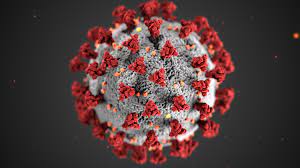
Karnataka and Tamil Nadu have reported a recent increase in COVID-19 cases, prompting health authorities to issue fresh advisories while assuring the public that the situation remains under control.
Karnataka’s Health Minister, Dinesh Gundu Rao, confirmed the uptick in cases on Tuesday, even as he emphasized that there is no cause for alarm. The announcement comes amid rising COVID-19 infections in parts of Asia, particularly Singapore and Hong Kong, where new Omicron subvariants have been detected.
In Tamil Nadu, especially in Chennai, hospitals have noted that cases of fever previously attributed to influenza A and B are now increasingly being linked to COVID-19. The state’s public health department currently reports 40 active cases. Officials are investigating whether these infections are caused by Omicron JN.1 descendants—LF.7 and NB.1.8—similar to those seen in Singapore and Hong Kong.
Symptoms and Severity
Most patients are experiencing mild symptoms such as fever, nasal congestion, respiratory distress, and a persistent cough. Importantly, there has been no significant rise in intensive care admissions or reported deaths related to the recent cases.
“There is no need for panic,” said Dr. T S Selvavinagayam, Director of Public Health, Tamil Nadu. “Like influenza-like illness, COVID never completely went away. We have been seeing sporadic cases of the viral infection with seasonal peaks.”
Precautionary Measures
The Directorate of Public Health has advised the public to wear masks and maintain social distancing in crowded indoor spaces. Special precautions are recommended for the elderly, pregnant women, and those with co-morbidities or weakened immune systems.
Nationally, India’s COVID-19 case count stood at 257 as of May 19, according to official figures. Health officials state that the majority of these cases are mild and do not require hospitalization.
Surveillance and Preparedness
The central health ministry is closely monitoring trends both domestically and internationally. Hospitals across India have been instructed to keep a close watch on cases of influenza-like illness and severe acute respiratory infections. Surveillance systems such as the Integrated Disease Surveillance Programme (IDSP) and the Indian Council of Medical Research (ICMR) continue to track respiratory viruses, including COVID-19.
A senior government official stated, “The current COVID-19 situation in India remains under control,” following a high-level review with representatives from ICMR, the National Centre for Disease Control (NCDC), and other key agencies.
Public Advisory
Health experts reiterate that there is no need for panic, but urge the public to remain vigilant, practice good hygiene, and follow official guidelines, especially in light of the emergence of new variants abroad.
Disclaimer:
This article is based on information available as of May 21, 2025, and references details reported by The Economic Times. The situation regarding COVID-19 can change rapidly. For the latest updates and health guidelines, please refer to official sources such as the Ministry of Health and Family Welfare, Government of India, and the World Health Organization. This article is for informational purposes only and should not be considered medical advice.
Citations: