 0
0
 0
0
Karachi, Pakistan – A recent investigation by the Sindh Food Authority (SFA) has unveiled a disturbing public health crisis in Karachi, where nearly all tea stalls are serving tea brewed with adulterated milk and chemically-laced tea leaves. This alarming revelation highlights the chronic failures in Pakistan’s food safety regulations and governance, posing a serious threat to the health of millions.
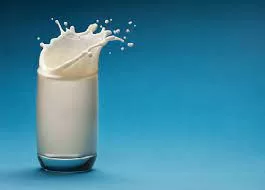
The SFA conducted inspections of 127 tea stalls across Karachi, Pakistan’s largest city, and found that 100% of the tea leaf samples and 90% of the milk samples were contaminated with harmful substances. According to the report, milk samples contained dangerous additives such as detergents and carbonates, which are not only illegal but pose significant health risks to consumers.
Moreover, all 110 tea leaf samples tested were found to be tainted with polyphenols, chemicals added by manufacturers to cut costs at the expense of consumer safety. The widespread contamination reveals a severe collapse in food safety standards and regulatory oversight, making even a simple cup of tea a potential health hazard.
This scandal comes amid Pakistan’s ongoing struggles with inflation and institutional decay, further complicating efforts to ensure public health and safety. Experts warn that prolonged consumption of such adulterated products could lead to serious health complications, including digestive issues, poisoning, and long-term chronic diseases.
The SFA has urged authorities to take immediate action to crack down on adulteration practices and improve food safety enforcement. Public health advocates call for increased awareness campaigns to educate consumers about the dangers of adulterated food and beverages.
As Karachi grapples with this brewing crisis, the incident underscores the urgent need for comprehensive reforms in Pakistan’s food safety infrastructure to protect its citizens from preventable health risks.
Disclaimer:
This article is based on information reported by Dawn News and the Sindh Food Authority. The details provided are intended for informational purposes only. Readers are advised to verify facts independently and consult health professionals regarding any concerns related to food safety and consumption.
Citations: