 0
0
 0
0
In a landmark discovery that could reshape the treatment of rheumatoid arthritis (RA), researchers from Kyoto University have identified previously hidden “immune hubs” in joint tissue that fuel the persistent inflammation and damage characteristic of this debilitating disease. The groundbreaking study, published online in Science Immunology, reveals how certain immune cells sustain inflammation even in patients who are unresponsive to conventional therapies.
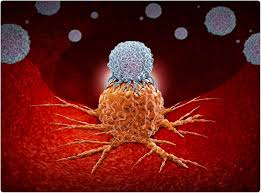
The team, led by Yuki Masuo and Professor Hideki Ueno, focused on a specific type of immune cell known as peripheral helper T cells (Tph cells)—key orchestrators of immune activity within inflamed joints. Their research found that Tph cells exist in two distinct forms: stem-like Tph cells, which embed themselves in specialized structures called tertiary lymphoid structures (TLSs), and effector Tph cells, which leave these hubs to drive inflammation elsewhere in the joint.
Inside the “hubs,” stem-like Tph cells act as ongoing sources of inflammation by multiplying and activating B cells. Some evolve into effector Tph cells, which then migrate away from the hubs, perpetuating inflammation throughout the joint. This continuous supply of effector Tph cells may underpin the chronic nature of RA, particularly in patients who do not benefit from standard immunosuppressive treatments.
“Our use of advanced analytical techniques has uncovered a root cause of ongoing inflammation in rheumatoid arthritis,” said lead author Yuki Masuo. “Targeting these stem-like Tph cells at their source may open up new avenues for therapy, providing more effective symptom relief for patients struggling with treatment-resistant RA.”
To map these immune cell dynamics, researchers employed state-of-the-art multi-omics approaches, analyzing both blood and inflamed joint tissue from patients. Their findings suggest that focusing therapies on the stem-like Tph cells within these immune hubs could disrupt the cycle of chronic inflammation, potentially improving patient outcomes and quality of life.
With nearly one in three RA patients responding poorly to current medications, this discovery offers renewed hope for the development of targeted treatments capable of altering the disease’s course.
Disclaimer: This article is for informational purposes only and is not a substitute for professional medical advice, diagnosis, or treatment. Patients should consult their healthcare provider with any questions regarding rheumatoid arthritis treatment and management.
Reference: Masuo Y, Yoshitomi H, Ueno H, et al. Stem-like and effector peripheral helper T cells comprise distinct subsets in rheumatoid arthritis. Science Immunology. 2025.