 0
0
 0
0
In a groundbreaking development, Japanese scientists have introduced a universal artificial blood substitute that could revolutionize emergency medicine and address global blood shortages. The innovation, pioneered by Professor Hiromi Sakai at Nara Medical University, is currently undergoing clinical trials and, if proven successful, could see real-world deployment in Japan by 2030.
How the Artificial Blood Works
The artificial blood is created by extracting hemoglobin—the oxygen-carrying molecule in red blood cells—from expired donor blood and encapsulating it within a protective lipid membrane. This process produces stable, virus-free artificial red blood cells, known as hemoglobin vesicles, which can transport oxygen throughout the body just like natural blood cells. Notably, these artificial cells have a purplish color and do not oxidize until they are used, ensuring their stability and safety.
Universal Compatibility and Extended Shelf Life
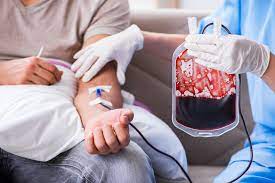
Unlike traditional donated blood, which must be matched to a patient’s blood type and has a shelf life of just 42 days, the new artificial blood is universally compatible and can be stored at room temperature for up to two years. This eliminates the need for compatibility testing, making the product invaluable in emergencies, trauma care, surgeries, and remote locations where blood supply and storage are challenging.
Clinical Trials and Global Impact
The ongoing clinical trials began in March 2025, with 16 healthy adult volunteers receiving doses ranging from 100 to 400 milliliters of the artificial blood. The initial phase focuses on safety, with subsequent stages set to evaluate performance and efficacy. If the trials succeed, Japan could become the first country to implement artificial blood in mainstream medical care, potentially transforming healthcare systems worldwide.
The World Health Organization estimates that over 118 million blood donations are collected annually, yet many low-income regions still face severe shortages, leading to preventable deaths during surgeries, trauma, and childbirth. Universal artificial blood could significantly reduce these fatalities by ensuring a readily available, safe, and compatible supply.
Looking Ahead
Experts believe that this innovation could be the most significant advancement in transfusion medicine since the discovery of antibiotics, offering hope for millions who lack access to safe blood transfusions due to shortages or compatibility issues.
“This technology could improve healthcare by eliminating compatibility issues and blood shortages, especially in remote areas where blood storage and matching are challenging,” said Professor Hiromi Sakai.
Disclaimer:
This article is based on ongoing research and clinical trials. The artificial blood substitute described is not yet available for general medical use and is subject to further testing and regulatory approval. Outcomes from current trials will determine its safety, efficacy, and timeline for public deployment. Readers are advised to consult healthcare professionals for current medical practices and rely on official updates for future developments.